
Anúncios
FM and AM radio on your smartphone brings the nostalgia of traditional broadcasting into the digital age, offering free, real-time entertainment wherever you go.


Radio has been a companion to generations, from the crackling voices of AM stations to the crystal-clear music of FM broadcasts. Today, carrying that experience in your pocket is not only possible but incredibly convenient. Whether you’re commuting, exercising, or relaxing at home, accessing live radio through your mobile device keeps you connected to news, music, and local culture.
Anúncios
The evolution of radio technology has made it easier than ever to tune into your favorite stations without needing a traditional receiver. Modern smartphones have transformed how we consume audio content, blending classic radio with cutting-edge streaming capabilities. Let’s explore how FM and AM radio work on mobile devices and why they remain relevant in our streaming-dominated world.
📻 Understanding FM and AM Radio Technology on Mobile Devices
Most modern smartphones come equipped with FM radio chips, though not all manufacturers activate this feature. The chip works similarly to traditional radio receivers, capturing broadcast signals through your headphone wire, which acts as an antenna. This hardware-based approach allows you to listen to local stations without consuming mobile data or requiring an internet connection.
AM radio, on the other hand, is less commonly supported on mobile devices due to technical limitations and lower demand. AM signals travel farther distances and work better in rural areas, but their audio quality is inferior to FM. When available on smartphones, AM functionality typically requires specific apps or hardware configurations that vary by manufacturer and region.
Anúncios
The key difference between traditional radio access and internet-based radio streaming lies in how the signal reaches your device. Built-in FM chips receive direct broadcasts from nearby transmission towers, while streaming apps pull audio from internet servers. This distinction becomes crucial when considering battery life, data usage, and accessibility during emergencies.
🔧 How to Activate FM Radio on Your Smartphone
Activating FM radio on your phone depends on your device model and operating system. Many Android devices include a pre-installed radio app, often labeled as “FM Radio,” “Radio,” or something similar. To access it, simply open your app drawer and look for the radio icon. Connect your wired headphones—they’re essential, as they function as the antenna.
For iPhones, the situation is different. Apple has consistently chosen not to activate FM chips in their devices, even when the hardware is present. This means iPhone users must rely on internet-based radio streaming apps to access FM and AM content. While this requires data or Wi-Fi, it opens access to thousands of stations worldwide, not just local broadcasts.
If your Android phone lacks a pre-installed radio app, you can download third-party applications from the Google Play Store. Apps like NextRadio, TuneIn Radio, and Simple Radio offer both built-in FM chip support (when available) and internet streaming as a backup option. Always check your device specifications to confirm FM radio capability before downloading.
Step-by-Step Activation Process
- Connect wired headphones to your smartphone (required for antenna function)
- Locate and open your device’s FM radio app
- Allow the app to scan for available stations in your area
- Select your preferred station from the list
- Adjust volume and save favorite channels for quick access
📱 Best Apps for FM and AM Radio Streaming
When hardware-based FM radio isn’t available or you want access to stations beyond your local area, streaming apps provide an excellent alternative. These applications connect to internet servers that host thousands of radio stations from around the world, giving you unprecedented variety and choice.
TuneIn Radio stands out as one of the most comprehensive options, offering over 100,000 live radio stations, including FM, AM, and digital-only broadcasts. The app features an intuitive interface, podcast integration, and the ability to pause and rewind live radio. Premium subscriptions remove ads and add exclusive content, though the free version remains robust.

Radio FM specializes in providing access to Brazilian and international stations with a clean, user-friendly interface. It categorizes stations by genre, location, and popularity, making it simple to discover new content. The app works seamlessly on both Android and iOS platforms, requiring only an internet connection to stream high-quality audio.
iHeartRadio combines live radio with custom stations based on your music preferences. It’s particularly popular in North America, featuring thousands of AM and FM stations alongside podcasts and artist-curated playlists. The app learns your listening habits and suggests new stations, creating a personalized radio experience.
Comparing Streaming vs. Hardware-Based Radio
| Feature | Hardware FM Radio | Streaming Apps |
|---|---|---|
| Data Usage | None | 30-60 MB per hour |
| Battery Consumption | Low | Moderate to High |
| Station Selection | Local only | Global access |
| Audio Quality | Standard FM quality | Varies (often superior) |
| Emergency Availability | Works without internet | Requires connection |
🌍 Why Radio Still Matters in the Streaming Era
Despite the dominance of Spotify, Apple Music, and YouTube, traditional radio maintains unique advantages that keep millions tuning in daily. Radio provides curated, real-time content that reflects local culture, news, and community events. This live element creates a sense of connection that pre-recorded playlists can’t replicate.
During emergencies, radio becomes essential infrastructure. When cellular networks become overloaded or power outages disable internet services, FM and AM broadcasts continue operating through battery-powered transmitters. Emergency services use radio to broadcast critical information about natural disasters, evacuation routes, and safety instructions.
Radio also supports music discovery in ways algorithms can’t match. Human DJs introduce listeners to new artists, provide context about songs, and create emotional connections through storytelling. This personal touch, combined with spontaneity and unpredictability, keeps radio feeling fresh and authentic.
💡 Maximizing Your Mobile Radio Experience
To get the best performance from your mobile radio—whether hardware or streaming—consider investing in quality headphones. Since wired headphones serve as your FM antenna, better cables can improve reception clarity. For streaming, good headphones enhance audio fidelity, letting you appreciate the full range of sound quality available.
Managing data consumption becomes important if you frequently stream radio. Most apps allow you to adjust streaming quality; lower bitrates consume less data while still providing acceptable audio. Downloading favorite podcasts or shows when connected to Wi-Fi lets you enjoy radio-style content offline without streaming costs.
Creating station presets saves time and improves your listening experience. Whether using hardware FM radio or streaming apps, bookmarking your favorite stations lets you switch quickly between news, music, and talk radio. Many apps also offer alarm clock features, waking you to your preferred station instead of harsh beeps.
Tips for Better Reception and Sound Quality
- Fully extend your headphone cable to maximize antenna effectiveness
- Position yourself near windows when indoors for stronger FM signals
- Close unnecessary background apps to reduce streaming interruptions
- Enable Wi-Fi calling if your carrier supports it to save mobile data
- Update your radio app regularly for bug fixes and performance improvements
🎵 Discovering New Stations and Genres
One of the greatest joys of mobile radio is exploring stations beyond your usual preferences. Streaming apps make this effortless, offering genre-based browsing, geographic searches, and popularity rankings. You might discover jazz stations from New Orleans, electronic music from Berlin, or talk radio from London—all from your smartphone.
Many radio apps include social features that let you see what others are listening to, share favorite stations, and read reviews. These community aspects help you find hidden gems and connect with listeners who share your interests. Some platforms even allow direct interaction with radio hosts through integrated messaging or social media links.
Podcasts have become integrated into many radio apps, blurring the lines between live broadcasting and on-demand content. This convergence lets you enjoy the best of both worlds: live radio when you want real-time connection, and podcasts when you prefer specific topics or the ability to pause and resume.
🔋 Battery Life and Data Considerations
Hardware-based FM radio consumes significantly less battery than streaming apps because it doesn’t require constant data transmission or processor-intensive decoding. If you’re concerned about battery life during long trips or outdoor activities, using your phone’s built-in FM chip (when available) provides hours more listening time than streaming alternatives.
For streaming radio, battery consumption varies based on connection type and audio quality. Listening over Wi-Fi generally uses less battery than cellular data, and lower bitrate streams demand less processing power. Enabling battery saver modes in your phone settings can extend listening time by limiting background activities.
Data usage for radio streaming averages between 30-60 MB per hour, depending on quality settings. A typical commute might consume 50-100 MB daily, which adds up quickly on limited data plans. Consider connecting to Wi-Fi when possible, or choose apps that offer offline listening through downloaded content.
📡 The Future of Radio on Mobile Devices
The future of mobile radio looks promising, with emerging technologies like 5G enabling higher quality streams with minimal latency. DAB+ (Digital Audio Broadcasting) is expanding globally, offering superior sound quality and additional data services like song information, traffic updates, and visual content alongside audio.
Smartphone manufacturers face ongoing pressure from emergency services and consumer advocates to activate FM chips universally. Organizations like the National Association of Broadcasters argue that FM radio serves critical public safety functions that shouldn’t depend on internet connectivity. This debate continues shaping device design and regulatory policy.
Artificial intelligence is beginning to enhance radio apps through personalized recommendations, automated playlist generation based on live radio preferences, and voice-controlled station selection. These features make mobile radio more intuitive and accessible while preserving the live, spontaneous character that makes traditional broadcasting special.
🎧 Making Radio Part of Your Daily Routine
Integrating radio into your daily life is simple and rewarding. Morning news programs keep you informed during breakfast preparation, music stations energize your workout routines, and talk radio makes commutes more engaging. Unlike playlist fatigue from streaming services, radio’s curated nature keeps content feeling fresh and surprising.
Many listeners appreciate radio’s passive nature—you don’t need to select songs, create playlists, or make decisions. Simply tune in and let professional programmers guide your listening experience. This effortless consumption reduces decision fatigue and lets you focus on other activities while enjoying quality audio content.
Radio also connects you to your community in ways global streaming services cannot. Local stations cover neighborhood events, school closures, traffic conditions, and regional news that matters to your immediate surroundings. This hyper-local focus creates relevance and utility that transcends pure entertainment.
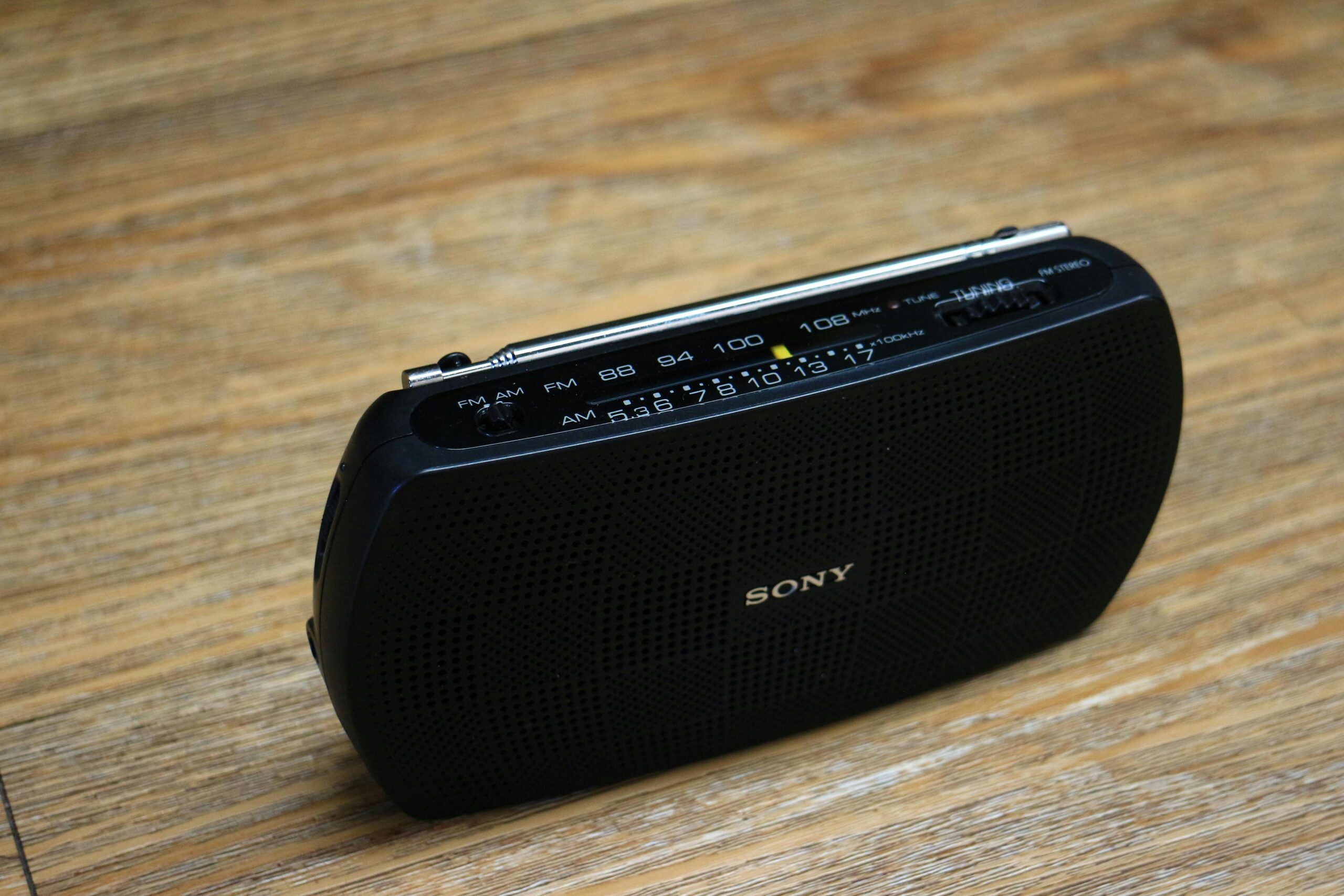
🌟 Embracing the Classic Radio Experience Digitally
Mobile technology has democratized radio access, transforming smartphones into powerful receivers capable of accessing content from around the world. Whether you prefer the simplicity of local FM broadcasts or the variety of international streaming, your phone puts thousands of stations at your fingertips.
The coexistence of hardware FM radio and streaming apps provides flexibility for different situations and preferences. Use built-in FM for battery efficiency and emergency preparedness, while exploring streaming apps for discovering new stations and accessing content beyond your geographic area. Both approaches have merit and complement each other beautifully.
As technology continues evolving, radio remains a constant companion, adapting to new platforms while maintaining the core values that made it popular for over a century. Your smartphone serves as a bridge between radio’s rich history and its digital future, keeping this beloved medium accessible, relevant, and engaging for new generations of listeners. 📻✨
