
Anúncios
Learning to play the accordion opens up a world of musical expression, rich cultural traditions, and endless creative possibilities that can transform your relationship with music forever.


The accordion is a remarkably versatile instrument that has captivated audiences across continents and genres. From the passionate tangos of Argentina to the lively polkas of Eastern Europe, from French musettes to American Cajun music, the accordion’s distinctive sound has become synonymous with celebration, emotion, and cultural identity.
Anúncios
Whether you’re drawn to its nostalgic melodies or excited by its modern applications in contemporary music, learning the accordion is a rewarding journey that combines physical coordination, musical theory, and artistic expression. This comprehensive guide will walk you through everything you need to know to begin your accordion adventure.
🎵 Understanding the Accordion: Types and Components
Before diving into playing techniques, it’s essential to understand what makes the accordion unique. Unlike many instruments, the accordion is a free-reed aerophone that produces sound by air flowing across metal reeds when you operate the bellows.
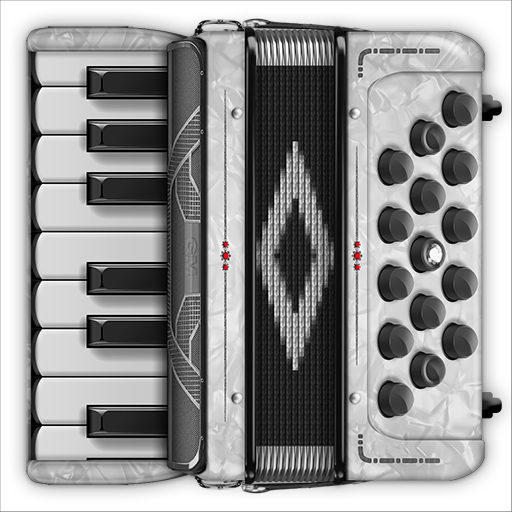
There are three main types of accordions you’ll encounter. The piano accordion features a piano-style keyboard on the right side, making it more intuitive for those with piano experience. The button accordion uses buttons instead of keys and comes in chromatic and diatonic variations. The diatonic accordion, popular in folk music traditions, plays different notes when pushing or pulling the bellows.
Anúncios
Each accordion consists of several key components. The right-hand keyboard or buttons produce melody notes. The left-hand button board controls bass notes and pre-set chord combinations. The bellows act as the instrument’s lungs, controlling volume and expression. The straps keep the instrument securely positioned on your body during play.
🎯 Choosing Your First Accordion
Selecting the right accordion as a beginner is crucial for your learning journey. Many new players feel overwhelmed by the options, but focusing on a few key factors will simplify your decision.
Weight matters significantly when starting out. Full-size accordions can weigh between 15 to 30 pounds, which can be exhausting for beginners during extended practice sessions. Consider starting with a smaller 48 or 60-bass model rather than jumping straight to a 120-bass instrument.
Your musical interests should guide your choice. If you love classical music or jazz, a piano accordion might suit you best. Folk music enthusiasts often gravitate toward button accordions for their authentic sound and portability.
Budget considerations are real, but quality matters. A poorly maintained or cheaply made accordion will frustrate your learning process. Look for reputable brands like Hohner, Roland, or Weltmeister. Don’t hesitate to explore the used market, where quality vintage instruments often offer excellent value.
💪 Proper Posture and Holding Technique
Developing correct posture from day one prevents injury and enhances your playing ability. Poor posture leads to back pain, shoulder strain, and limited musical expression.
Sit upright in a chair without armrests, keeping your feet flat on the floor. Your back should remain straight but relaxed, not rigid. The accordion rests on your left thigh while the straps distribute weight across both shoulders evenly.
Adjust the shoulder straps so the accordion sits comfortably against your chest without leaning forward or backward. The right-hand keyboard should align naturally with your right hand without requiring you to reach or strain. Your left arm threads through the bass strap, allowing your hand to move freely across the button board.
The bellows require special attention. Open and close them with controlled, smooth movements using your left arm. Avoid jerky motions that create unwanted accents or air leaks. Think of the bellows as your breath—steady, controlled, and purposeful.
🎹 Mastering the Right Hand: Melody Fundamentals
The right hand carries the melody, making it the focal point of most accordion music. If you’re working with a piano accordion, your piano knowledge transfers directly, giving you a head start.
Begin with finger placement exercises. Position your thumb on middle C and align your fingers naturally across the white keys. Practice simple five-finger patterns, playing each note clearly and evenly. Focus on finger independence, ensuring each finger strikes its designated key without collapsing or tension.
Start with simple melodies everyone knows—”Mary Had a Little Lamb,” “Twinkle Twinkle Little Star,” or “Ode to Joy.” These familiar tunes let you focus on technique rather than reading music. Play slowly, emphasizing clean note transitions and steady rhythm.
Develop proper finger technique by keeping your fingers curved, striking keys with fingertips rather than flat fingers. Maintain a relaxed hand position, avoiding tension in your wrist or forearm. Build speed gradually—accuracy always trumps velocity in the learning process.
🎼 Coordinating the Left Hand: Bass and Chords
The left-hand button board intimidates many beginners, but understanding its logical layout transforms confusion into confidence. The standard Stradella bass system arranges buttons in diagonal rows, each row serving a specific function.
The bass buttons sit closest to the bellows, providing fundamental bass notes. Moving away from the bellows, you’ll find rows for major chords, minor chords, seventh chords, and diminished chords. This systematic arrangement means similar buttons always sit in the same relative positions.
Start by locating the reference button, usually marked with a dimple or different texture. This button, typically the C bass note, serves as your home position. From here, you can navigate the entire bass board by feeling the patterns.
Practice bass-chord patterns called “oom-pah” rhythms—alternating bass notes with chords. Play a bass note on beat one, then its corresponding major chord on beat two. This fundamental pattern appears in countless accordion pieces across all genres.
🌬️ Bellows Control: The Heart of Expression
Bellows technique separates mediocre accordion players from exceptional ones. Unlike piano where dynamics come from key pressure, the accordion’s expression flows entirely through bellows control.
Master bellows direction changes first. Practice opening and closing the bellows smoothly at phrase endings or natural musical breaks. Avoid changing direction mid-phrase initially, as this creates unwanted accents.
Dynamics emerge from bellows pressure and speed. Gentle, slow bellows movements produce soft sounds, while firm, quick movements create loud volumes. Experiment with gradual crescendos and diminuendos, feeling how bellows control shapes musical expression.
Advanced bellows techniques include bellows shakes (rapid small movements creating vibrato effects) and bellows stops (suddenly stopping airflow for staccato notes). These techniques add color and personality to your playing as your skills develop.
📚 Reading Accordion Music Notation
Accordion music uses standard notation with some unique elements. Most arrangements display two staves—the upper staff for right-hand melody and the lower staff for left-hand accompaniment.
Left-hand notation often uses chord symbols rather than individual notes. A “C” above the bass clef indicates playing the C bass button followed by a C major chord. This shorthand simplifies reading and helps players focus on musical expression rather than decoding complex notation.
Some accordion scores include bellows markings—arrows or symbols indicating whether to push or pull. While not universal, these markings help beginners plan efficient bellows usage, avoiding awkward mid-phrase changes.
If you’re new to music reading entirely, invest time learning basic notation before tackling accordion-specific elements. Understanding note values, rests, time signatures, and key signatures provides the foundation for all instrumental study.
🎯 Essential Practice Routines for Progress
Consistent, focused practice accelerates your accordion journey more than sporadic marathon sessions. Structure your practice time to address different skill areas systematically.
Begin every session with warm-up exercises. Play scales slowly with both hands separately, focusing on even tone and smooth finger movements. Five minutes of scales prepares your muscles and mind for productive practice.
Dedicate time to technical exercises that isolate specific challenges. Practice right-hand finger independence exercises, left-hand chord transitions, and bellows control drills. These focused exercises build the foundational skills that make playing music enjoyable.
Work on repertoire pieces at your current level. Choose music slightly below your maximum ability so you can focus on musicality and expression rather than merely surviving the notes. Polish these pieces until they feel effortless and musical.
End sessions with something fun—play along with recordings, improvise freely, or revisit favorite simple pieces. This positive conclusion keeps motivation high and makes you eager to return tomorrow.
🚀 Overcoming Common Beginner Challenges
Every accordion student encounters similar obstacles. Recognizing these challenges and knowing how to address them prevents frustration and maintains progress.
Hand coordination feels impossible initially. Your brain struggles to send different commands to each hand simultaneously. Address this by practicing hands separately until each part feels automatic, then combine them at a very slow tempo. Gradually increase speed only when coordination feels natural.
Bellows control seems uncontrollable at first. New players either run out of bellows mid-phrase or change direction too frequently. Plan bellows usage by marking your music with direction indicators. Practice phrases with exaggerated long bellows movements to build control and capacity.
The instrument’s weight causes physical fatigue. Build endurance gradually by extending practice sessions slowly over weeks and months. Ensure proper posture to distribute weight efficiently, and take breaks when needed. Your body adapts with consistent exposure.
Reading left-hand notation confuses beginners unfamiliar with the bass board layout. Create a diagram of your instrument’s bass board and keep it visible during practice. Reference it frequently until button positions become muscle memory.
🎶 Exploring Different Musical Genres
The accordion’s versatility shines across numerous musical styles. Exploring different genres keeps learning fresh and expands your musical vocabulary.
Folk traditions worldwide feature accordion prominently. Irish traditional music, Cajun dance tunes, Mexican norteño, and Italian tarantellas each offer unique rhythmic and melodic challenges. Learning folk styles connects you with rich cultural histories and often provides opportunities to play with other musicians.
Classical accordion repertoire has exploded in recent decades. Composers have created sophisticated works showcasing the instrument’s expressive capabilities. Classical study develops refined technique and musical interpretation skills.
Jazz accordion players like Art Van Damme and Richard Galliano demonstrate the instrument’s improvisational potential. Jazz study teaches chord theory, improvisation, and rhythmic sophistication that elevates playing in any genre.
Contemporary musicians increasingly incorporate accordion into rock, pop, and indie music. Bands like Arcade Fire and Mumford & Sons feature accordion textures, proving the instrument’s modern relevance and versatility.
👥 Finding Community and Learning Resources
Learning accordion doesn’t mean learning alone. Connecting with other players accelerates progress and sustains motivation through inevitable challenges.
Online communities offer tremendous support for accordion students. Facebook groups, Reddit forums, and specialized accordion websites connect you with players worldwide. Share videos for feedback, ask technical questions, and celebrate milestones with people who understand the journey.
Local accordion clubs exist in many areas, organizing meetings, workshops, and performances. These groups welcome beginners and provide invaluable in-person instruction and encouragement. Search for clubs through the American Accordionists’ Association or similar organizations in your country.
YouTube channels dedicated to accordion instruction offer free lessons covering everything from absolute basics to advanced techniques. Channels like “Liberty Bellows” and “Accordion Love” provide structured lesson series perfect for self-directed learners.
Consider private lessons with an experienced teacher, either in-person or via video call. Personalized instruction identifies and corrects technical issues before they become ingrained habits. Even occasional lessons provide direction and motivation between independent practice sessions.
🔧 Maintaining Your Accordion
Proper instrument care ensures your accordion remains playable and retains its value. Accordions are complex mechanical instruments requiring regular attention.
Store your accordion in its case when not playing. Keep it in a climate-controlled environment, avoiding extreme temperatures and humidity that damage reeds and materials. Never leave it in hot cars or cold garages.
Clean the exterior regularly with a soft cloth. Avoid harsh chemicals that damage finishes. The keyboard and buttons should be wiped clean to prevent dirt accumulation affecting responsiveness.
Professional maintenance should occur annually or biannually depending on playing frequency. Qualified technicians tune reeds, fix air leaks, replace worn felts, and address mechanical issues beyond typical player capability. This preventive maintenance extends your instrument’s lifespan dramatically.
Address minor issues immediately before they worsen. Sticky keys, sluggish buttons, or unusual sounds indicate problems requiring professional attention. Early intervention prevents costly repairs later.
🌟 Setting Realistic Goals and Measuring Progress
Clear goals provide direction and motivation throughout your accordion journey. Establish both short-term and long-term objectives that challenge without overwhelming.
Short-term goals might include learning a specific scale, mastering a simple song, or achieving smooth bellows direction changes. These weekly or monthly targets provide regular accomplishment and maintain momentum.
Long-term goals envision where you want to be in six months, one year, or five years. Perhaps you dream of performing at a local open mic, joining a folk band, or simply playing confidently at family gatherings. These aspirations guide your practice choices and repertoire selection.
Track progress through recordings. Record yourself monthly playing the same piece or exercise. Reviewing these recordings reveals improvements that feel invisible during daily practice. Hearing your progress provides powerful motivation during challenging periods.
Celebrate milestones appropriately. Completing your first complete song, performing for others, or mastering a difficult technique deserves recognition. These celebrations acknowledge the dedication required to develop musical skills.
🎊 The Joy of Performance and Sharing Music
Making music becomes most meaningful when shared with others. Performance opportunities, whether formal or casual, represent the ultimate goal of musical study.
Start with low-pressure performances for supportive audiences—family members, friends, or fellow students. These informal settings let you experience performance nerves in safe environments while developing stage presence.
Open mic nights and community events welcome accordion players. The instrument’s novelty often makes you memorable, and audiences appreciate its distinctive sound. Regular performances build confidence and reveal which aspects of playing need attention.
Consider busking if local regulations permit. Street performance provides invaluable experience playing for diverse audiences while potentially earning a few dollars. The immediate feedback teaches you which repertoire resonates with listeners.
Recording and sharing videos online connects you with global audiences. Platforms like YouTube and Instagram let you showcase progress, receive encouragement, and inspire other learners. The accordion community actively supports and celebrates fellow players.

🚀 Continuing Your Musical Journey
Learning accordion is not a destination but an ongoing adventure. As fundamental skills solidify, new challenges and opportunities emerge continuously.
Advanced techniques await once basics become comfortable. Bellows shakes, register changes, counterpoint playing, and complex rhythmic patterns add sophistication to your musical expression. Each new technique opens creative possibilities.
Music theory study deepens your understanding and improvisational abilities. Learning chord progressions, scales beyond major and minor, and harmonic relationships transforms you from someone who plays notes into a true musician who understands the language.
Collaboration with other musicians multiplies enjoyment and learning. Playing in ensembles teaches listening skills, rhythmic precision, and the joy of creating something larger than individual capability. Seek opportunities to play with others whenever possible.
Teaching others eventually becomes possible and rewarding. Sharing knowledge with beginners reinforces your own understanding while contributing to the accordion community’s growth. Your struggles as a learner become invaluable insights for those following your path.
The accordion offers a lifetime of musical exploration, cultural discovery, and personal expression. Every practice session, every song learned, and every performance contributes to your growing relationship with this remarkable instrument. The journey requires patience, persistence, and passion, but the rewards—musical competence, creative fulfillment, and connection with others—make every challenge worthwhile. Pick up your accordion, embrace the learning process, and discover the musician within yourself.
