
Anúncios
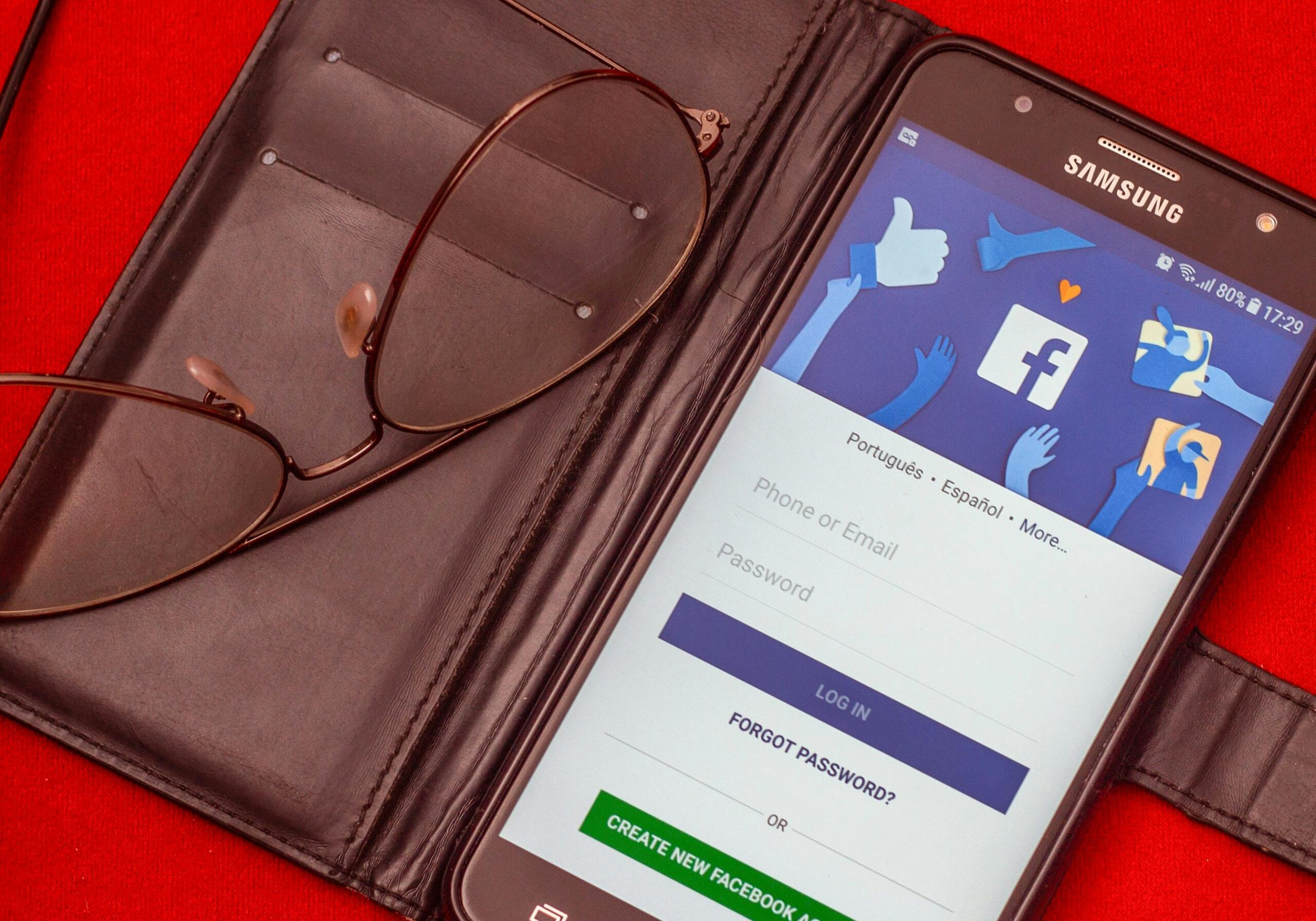
Ever wondered if there’s a way to discover who’s been secretly checking out your Facebook profile?


You’re definitely not alone in this curiosity.
Anúncios
The desire to know who’s viewing your social media profile has sparked countless searches, apps, and even myths about hidden features.
This question has become one of the most searched topics related to Facebook privacy and functionality.
With billions of users worldwide, Facebook remains a central platform for connecting with friends, family, and colleagues.
Anúncios
The mystery surrounding profile visitors continues to captivate users, leading many to seek third-party applications promising to reveal this information.
🔍 The Truth About Facebook Profile Tracking
Let’s address the elephant in the room: Facebook does not officially allow users to see who views their profiles. This is a deliberate design choice by the platform to protect user privacy and maintain a comfortable browsing environment.
Mark Zuckerberg and the Facebook team have consistently maintained this position since the platform’s inception. The reasoning is straightforward – allowing profile view tracking could create uncomfortable situations and discourage natural browsing behavior on the platform.
Despite this clear policy, numerous apps claim to offer profile tracking capabilities. These applications often promise features that sound too good to be true, because frankly, they are.
📱 Apps Claiming to Show Profile Visitors: What You Need to Know
The digital marketplace is flooded with applications claiming they can reveal who’s been checking your Facebook profile. These apps typically present themselves with enticing promises and flashy interfaces designed to capture your attention.
Most of these applications fall into several categories. Some are completely fraudulent, designed solely to harvest your personal data. Others are ad-revenue generators that provide random or fabricated information while showing you countless advertisements.
Common Types of Profile Tracking Apps
- Browser extensions promising visitor lists and analytics
- Mobile applications claiming special API access to Facebook data
- Web-based services requiring Facebook login credentials
- Survey-based platforms that never deliver promised results
- Subscription services charging monthly fees for fake statistics
⚠️ The Risks of Using Third-Party Profile Viewer Apps
Downloading and using these applications isn’t just futile – it can be genuinely dangerous. The risks extend far beyond wasting time or encountering annoying advertisements.
When you grant these apps access to your Facebook account, you’re potentially opening the door to serious security vulnerabilities. Many of these applications request extensive permissions that allow them to access your personal information, friends list, photos, and even posting capabilities.
Security Threats You Might Face
Identity theft represents one of the most significant risks. Apps collecting your login credentials can use this information to impersonate you or access other accounts where you’ve used similar passwords.
Malware distribution is another common problem. Some applications contain hidden malicious software that can infect your device, steal data, or use your phone’s resources without permission.
Privacy violations occur when these apps harvest your personal information and sell it to third parties. Your data might end up in the hands of advertisers, scammers, or worse.

🛡️ How to Protect Yourself from Scam Apps
Awareness is your first line of defense. Understanding that legitimate profile tracking for Facebook simply doesn’t exist helps you avoid falling for these schemes in the first place.
Always verify app authenticity before downloading. Check developer information, read user reviews carefully, and research the company behind the application. Legitimate developers have transparent histories and verifiable credentials.
Red Flags to Watch For
- Apps requesting excessive permissions unrelated to their stated function
- Poor grammar and spelling in app descriptions
- Overwhelmingly positive reviews posted within short timeframes
- Requests for your Facebook password directly
- Promises that sound too good to be true
- Requirements to complete surveys before accessing features
💡 What Facebook Actually Shows You
While Facebook doesn’t reveal profile visitors, the platform does provide legitimate analytics for certain account types. Business pages and creator accounts have access to Facebook Insights, which offers valuable information about audience engagement.
These official tools show metrics like post reach, engagement rates, page views, and demographic information about your audience. However, they never reveal individual users who viewed your profile or specific posts.
Legitimate Facebook Analytics Features
Story views represent one area where you can see who’s engaged with your content. When you post a Facebook Story, the platform shows you exactly who viewed it within the 24-hour window it remains active.
Video watch data provides insights into how many people watched your videos and for how long, though specific viewer identities aren’t revealed unless they interact through likes or comments.
Search appearances might indicate interest when someone finds your profile through Facebook search, but again, the platform maintains privacy by not disclosing who performed these searches.
🔐 Understanding Facebook’s Privacy Philosophy
Facebook’s decision to hide profile visitors stems from fundamental privacy principles. The platform aims to create an environment where users feel comfortable exploring content without fear of being tracked or judged.
This approach parallels how we behave in physical spaces. Imagine if everyone could see exactly when you walked past their house or looked at their storefront. The discomfort would likely change your behavior significantly.
By maintaining this privacy boundary, Facebook encourages authentic engagement. Users interact with content they genuinely find interesting rather than worrying about leaving digital footprints.
📊 Comparing Social Media Platforms
Different social networks take varying approaches to profile viewing transparency. Understanding these differences helps contextualize Facebook’s stance.
| Platform | Profile View Tracking | Privacy Level |
|---|---|---|
| Not available | High privacy | |
| Available (limited) | Professional transparency | |
| Story views only | Moderate privacy | |
| Not available | High privacy |
LinkedIn stands out as the notable exception, offering limited profile view information because professional networking benefits from some transparency about who’s interested in your profile.
🎯 Better Ways to Measure Facebook Engagement
Instead of chasing impossible profile tracking, focus on metrics that actually matter and are legitimately available. These indicators provide real insights into how your content resonates with your audience.
Engagement rates tell you more than view counts ever could. Comments, shares, and reactions demonstrate that your content sparked genuine interest and prompted action.
Meaningful Metrics to Track
- Post engagement percentages showing how many people interact with your content
- Friend acceptance rates indicating genuine connection interest
- Message response times reflecting relationship quality
- Story view patterns revealing your most engaged followers
- Post reach showing how widely your content spreads
🤔 Why the Curiosity Persists
Understanding why we desperately want to know who views our profiles helps address the underlying motivations. Human curiosity about how others perceive us is completely natural and deeply ingrained.
Social validation plays a significant role. Knowing someone viewed your profile can feel like confirmation of interest, whether romantic, professional, or social. This desire for validation drives much of our social media behavior.
Former relationships often fuel this curiosity. People wonder if ex-partners or old friends still think about them enough to check their profiles periodically.
Professional considerations matter too. Job seekers wonder if potential employers are researching them, while business owners want to know if prospects are investigating their credentials.
✅ Healthy Social Media Habits to Adopt
Rather than obsessing over who’s viewing your profile, channel that energy into building a genuine online presence that authentically represents who you are.
Focus on creating meaningful content that adds value to your connections’ feeds. Share insights, experiences, and thoughts that reflect your authentic self rather than crafting posts designed to attract specific viewers.
Building Authentic Engagement
Interact genuinely with others’ content by leaving thoughtful comments and sharing posts that resonate with you. This reciprocal engagement builds real relationships rather than one-sided viewing.
Set boundaries around your social media time. Constantly checking for phantom profile viewers or obsessing over analytics can detract from real-world relationships and personal wellbeing.
Adjust your privacy settings to control who can see your content. This proactive approach gives you power over your digital presence rather than trying to track who’s looking at it.
🔮 The Future of Social Media Privacy
As social platforms evolve, the tension between transparency and privacy continues to shift. Future developments might introduce new features, but Facebook’s core philosophy around profile viewing seems unlikely to change dramatically.
Emerging technologies like artificial intelligence and machine learning might enable more sophisticated analytics while still protecting individual privacy. The challenge lies in balancing useful insights with personal boundaries.
Regulatory pressures from governments worldwide increasingly emphasize user privacy protection. These legal frameworks reinforce Facebook’s existing approach to profile view privacy.
🌟 Embracing Digital Authenticity
The quest to see who’s viewing your Facebook profile ultimately distracts from what truly matters – building genuine connections and sharing your authentic self with the world.
Instead of seeking validation through invisible view counts, measure success by the quality of interactions you cultivate. Meaningful conversations, supportive exchanges, and genuine relationships far outweigh any number of silent profile visits.
Your digital presence should reflect who you genuinely are rather than a carefully constructed persona designed to attract mysterious viewers. Authenticity resonates far more powerfully than any manufactured image.
Remember that everyone using social media experiences similar curiosities and insecurities. The person whose profile you’re tempted to repeatedly check probably wonders the same things about their own visitors. This shared experience connects us in our vulnerability.
Focus your energy on creating content that makes you proud, engaging with communities that enrich your life, and maintaining privacy practices that help you feel secure. These actions provide far more value than any profile tracking app ever could.
The apps promising to reveal your profile visitors may seem tempting, but they offer nothing but false promises, security risks, and wasted time. Your curiosity is understandable, but protecting your privacy and building authentic connections should always take priority over chasing illusory metrics.
