
Anúncios
Discovering the true rarity of a coin can unlock its hidden value and historical significance in the fascinating world of numismatics.


Every coin tells a story, but not all coins share the same journey. Some circulate for decades, touching countless hands, while others remain hidden in private collections or buried beneath layers of history. Understanding what makes a coin rare transforms casual collecting into a meaningful pursuit of knowledge and potential investment.
Anúncios
The journey to identifying coin rarity requires patience, research, and a keen eye for detail. Whether you’ve inherited a collection, found an interesting piece in your pocket change, or started deliberately building a numismatic portfolio, knowing how to evaluate rarity gives you a significant advantage in this timeless hobby.
🔍 What Actually Makes a Coin Rare?
Rarity in numismatics extends far beyond simple scarcity. A coin’s rarity depends on multiple interconnected factors that collectors and experts carefully consider when determining value and collectibility.
The mintage number represents the total quantity of coins produced during a specific period. Lower mintage numbers generally indicate higher rarity, but this relationship isn’t always straightforward. Some coins produced in small quantities were preserved carefully, while others minted in large numbers suffered heavy circulation losses.
Anúncios
Survival rate plays an equally critical role. Many coins were melted down for their metal content, lost to time, or destroyed through various circumstances. The number of specimens that exist today, rather than the original mintage, determines true rarity.
Historical context adds another dimension to rarity assessment. Coins minted during significant events, political transitions, or economic crises often carry special significance. Emergency issues, commemorative strikes, and transitional designs frequently become rare due to their limited production windows.
📊 Understanding Mintage Figures and Their Limitations
Mintage figures provide essential starting points for rarity assessment, but they require careful interpretation. Government mints maintain records of production quantities, though these records vary in accuracy depending on the era and country.
Modern coins typically have well-documented mintage figures available through official mint sources, numismatic references, and specialized databases. Historical coins, particularly those from centuries past, often lack precise production records, requiring researchers to estimate quantities based on surviving examples and historical documentation.
Production numbers alone don’t reveal the complete picture. Consider a coin with a mintage of 10 million pieces. If 9.9 million were melted or lost, the surviving 100,000 examples would be considerably rarer than the original mintage suggests.
Circulation vs. Proof Strikes
The distinction between circulation strikes and proof coins significantly impacts rarity assessment. Circulation strikes were intended for general use in commerce, while proof coins were specially struck for collectors with enhanced detail and mirror-like finishes.
Proof coins typically have much lower mintages than circulation strikes from the same year. However, proof coins often survive in better condition because collectors preserved them carefully from the moment of acquisition.
🎯 Key Indicators of Coin Rarity
Several observable characteristics help collectors identify potentially rare coins without extensive research. Developing an eye for these features accelerates the identification process and helps prioritize which coins deserve deeper investigation.
Mint Marks and Their Significance
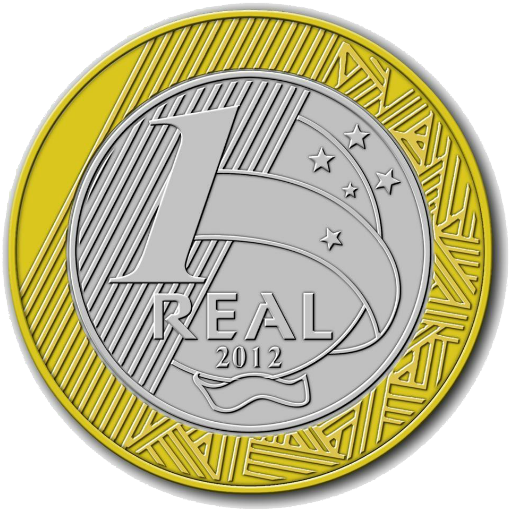
Mint marks are small letters or symbols indicating where a coin was produced. Different mints often produced vastly different quantities of the same coin design, creating significant rarity variations within a single year and denomination.
A coin from a major mint facility might have millions of examples, while the same design from a branch mint could number in the thousands. Collectors must examine coins carefully for these small but crucial identifying marks.
Error Coins and Varieties
Minting errors create some of the most sought-after rarities in numismatics. These mistakes occur during production and result in coins with unusual characteristics that set them apart from normal strikes.
Common error types include doubled dies, where design elements appear twice due to die preparation mistakes, off-center strikes resulting from misaligned planchets, and wrong planchet errors where coins are struck on blanks intended for different denominations.
Varieties represent intentional or unintentional design differences within a coin series. Major varieties might include significant design changes, while minor varieties could involve subtle alterations in lettering, spacing, or decorative elements.
🛠️ Research Tools for Identifying Rare Coins
Modern collectors have access to unprecedented resources for researching coin rarity. Combining traditional references with digital tools creates a comprehensive approach to accurate identification.
Standard Catalogs and Price Guides
Printed reference books remain foundational resources for serious collectors. Standard catalogs provide detailed listings of coins by country, denomination, and year, including mintage figures, known varieties, and rarity ratings.
These references typically use grading scales and rarity indices that help collectors understand relative scarcity. Common systems include numerical scales (R-1 through R-8) or descriptive terms (common, scarce, rare, very rare, extremely rare).
Online Databases and Digital Resources
Digital platforms have revolutionized numismatic research. Websites dedicated to specific countries, time periods, or coin types aggregate information from multiple sources, providing searchable databases with images, specifications, and market data.
Auction archives offer invaluable insights into rarity and value. Reviewing past sales of similar coins reveals market demand, price trends, and how frequently specific pieces appear for sale—a practical indicator of true scarcity.
Mobile Applications for Instant Identification
Smartphone technology has brought coin identification into the palm of your hand. Advanced applications use image recognition and comprehensive databases to identify coins from photographs, providing instant access to mintage data, variety information, and estimated values.
These apps prove particularly valuable when examining potential purchases at coin shows, estate sales, or antique shops. Quick reference checks help collectors make informed decisions without carrying extensive printed references.
💎 Grading’s Impact on Rarity and Value
Condition dramatically influences a coin’s effective rarity. While absolute rarity refers to total surviving examples, condition rarity considers how many specimens exist in specific grade ranges.
A coin might be common in lower grades but exceptionally rare in mint state condition. This phenomenon occurs frequently with older circulation strikes that saw heavy use. Collectors willing to accept lower grades find abundant examples, while those seeking premium specimens face genuine scarcity.
The Grading Scale
Professional grading uses a 70-point Sheldon scale, ranging from Poor (P-1) to Perfect Mint State (MS-70). Understanding this scale helps collectors appreciate condition rarity’s significance.
Circulated grades run from About Good (AG-3) through About Uncirculated (AU-58). Mint state grades begin at MS-60 and extend to MS-70. Each grade point can represent substantial value differences for rare coins.
Third-Party Grading Services
Professional grading companies authenticate and grade coins, sealing them in protective holders with certified grade designations. This service provides confidence in condition assessment and helps collectors compare coins objectively.
Population reports published by grading services reveal how many examples of specific coins have been certified at each grade level. These reports offer concrete data about condition rarity unavailable through other sources.
🌍 Regional and Historical Rarity Factors
Geographic location and historical circumstances create unique rarity situations that standard references might not fully capture. Local knowledge and specialized research often uncover hidden rarities overlooked by general collectors.
Regional Scarcity
Coins common in their country of origin might be rare elsewhere due to limited exportation or distribution. Conversely, some coins are scarce domestically but more available in countries where they circulated through trade or military presence.
Understanding these geographic factors requires research into historical trade patterns, military deployments, and immigration movements that influenced coin distribution.
Melting and Redemption Programs
Government redemption programs dramatically reduced survival rates for many coin series. When precious metal prices rise above face value, massive quantities of coins are melted, instantly creating future rarities from previously common pieces.
Silver coins from the 1960s provide a classic example. Millions were melted when silver prices soared, transforming some dates and mint marks from common to scarce almost overnight.
📱 Leveraging Technology for Rarity Research
Modern technology offers collectors powerful tools that previous generations could never imagine. Integrating these resources into your research workflow dramatically improves identification accuracy and efficiency.
Image Recognition and AI-Powered Identification
Artificial intelligence and machine learning have enabled sophisticated coin identification systems. By photographing a coin with your smartphone, advanced applications analyze design elements, dimensions, and characteristics to provide accurate identifications within seconds.
These systems continuously improve as they process more images, learning to distinguish subtle varieties and errors that challenge even experienced collectors. The technology proves especially valuable for identifying unfamiliar foreign coins or unusual varieties.
Community Forums and Expert Networks
Online numismatic communities connect collectors worldwide, creating virtual networks of expertise. Posting clear images and asking specific questions often yields insights from specialists who recognize rare varieties or unusual characteristics.
These communities also serve as early warning systems for newly discovered varieties, counterfeits, and market trends affecting specific rarities.
🔐 Authentication Concerns with Rare Coins
As coin values increase with rarity, counterfeit risks escalate proportionally. Learning to spot reproduction warning signs protects collectors from costly mistakes and ensures collection authenticity.
Counterfeiters target high-value rarities most frequently, creating sophisticated fakes that can fool inexperienced collectors. Key dates, rare varieties, and coins with dramatic error features receive particular attention from forgers.
Common Authentication Red Flags
Several characteristics suggest potential authenticity issues. Wrong weight immediately indicates problems, as counterfeiters struggle to match original specifications precisely. Incorrect dimensions, unusual surface textures, and details that appear mushy or indistinct also raise concerns.
Color can reveal modern fakes, particularly with copper and bronze coins. Artificial aging processes create surfaces that look wrong to experienced eyes, though explaining these differences requires handling genuine examples for comparison.
Professional Authentication Services
For significant rarities, professional authentication provides essential protection. Expert authenticators use specialized equipment, extensive reference collections, and years of experience to verify genuineness.
The cost of authentication represents insurance against purchasing expensive counterfeits. For rare coins, this investment protects substantially larger outlays and provides documentation supporting future resale.
💡 Building Your Rarity Assessment Skills
Developing expertise in rarity identification requires consistent practice and exposure to authentic examples. Several strategies accelerate learning and build confidence in your assessment abilities.
Study Auction Catalogs
Major auction houses produce detailed catalogs featuring high-quality photographs and expert descriptions of rare coins. Reviewing these publications—even without bidding—provides education about what makes specific coins rare and valuable.
Pay attention to how experts describe varieties, errors, and condition factors. This specialized vocabulary helps you communicate effectively with dealers and other collectors while deepening your understanding of rarity nuances.
Attend Coin Shows and Exhibitions
Nothing replaces hands-on examination of actual coins. Coin shows offer opportunities to see rarities in person, compare examples at different grade levels, and discuss specific pieces with knowledgeable dealers.
Museums with numismatic collections provide access to exceptional rarities and historical context impossible to obtain elsewhere. Many institutions offer educational programs specifically designed to help collectors develop identification skills.
Specialize in Specific Areas
Becoming a generalist across all numismatics takes a lifetime. Focusing on specific countries, time periods, or coin types allows deeper expertise development within manageable scope.
Specialists develop nuanced understanding of their chosen area, recognizing subtle varieties and condition factors that generalists might miss. This focused knowledge also builds networks of similarly specialized collectors who share information and opportunities.
📈 Market Dynamics and Rarity Perception
Market demand significantly influences how collectors perceive and value rarity. A coin’s absolute scarcity might differ substantially from its market rarity based on collector interest and competition for available examples.
Popular series attract many collectors, creating intense competition for available rarities and driving prices beyond what objective scarcity might suggest. Conversely, equally rare coins from less popular series might trade at modest prices due to limited demand.
Emerging Rarities and Market Trends
Rarity perceptions evolve as new research uncovers previously unknown varieties or as population report data reveals unexpected condition scarcity. Staying informed about these discoveries helps collectors identify opportunities before widespread recognition drives prices higher.
Generational shifts in collecting preferences also create changing demand patterns. Coins ignored by previous generations sometimes gain popularity with new collectors, transforming overlooked pieces into sought-after rarities.

🎓 Final Thoughts on Mastering Rarity Identification
Successfully identifying coin rarity combines research skills, practical experience, and ongoing education. The most effective collectors develop systematic approaches that leverage both traditional references and modern technology.
Start by building foundational knowledge through standard references and reputable online resources. As your understanding grows, begin specializing in areas that capture your interest and passion. This focused approach accelerates expertise development and makes the learning process more enjoyable.
Remember that even experts continue learning throughout their collecting careers. New discoveries, market changes, and evolving authentication techniques ensure that numismatics remains a dynamic field where curiosity and dedication yield continuous rewards.
Whether you’re evaluating inherited coins, building a focused collection, or simply enjoying the detective work of identifying interesting pieces, understanding rarity transforms casual interest into meaningful expertise. Each coin you research adds to your knowledge base, improving your ability to recognize genuine rarities and make informed collecting decisions.
The journey to becoming skilled at rarity assessment unfolds one coin at a time. Embrace the learning process, celebrate discoveries, and enjoy the fascinating stories that rare coins reveal about history, artistry, and human creativity across centuries and cultures.
