
Anúncios
Alexa has transformed how millions interact with technology daily, bringing voice-controlled assistance into homes, offices, and everyday routines worldwide.


Amazon’s voice assistant has become a household name since its debut in 2014. What started as an experimental feature in the original Echo speaker has evolved into a comprehensive ecosystem powering smart homes, entertainment systems, and productivity tools across multiple devices.
Anúncios
The journey of voice technology has been remarkable, with Alexa leading the charge in making artificial intelligence accessible to everyday users. Understanding how this technology works, what it offers, and how to maximize its potential can significantly enhance your digital lifestyle. 🎯
The Evolution of Amazon’s Voice Assistant
When Amazon first introduced Alexa alongside the Echo speaker, few could have predicted the revolutionary impact it would have on consumer technology. The name itself was chosen carefully—Alexa contains the rare “X” sound that helps devices recognize when they’re being addressed, reducing false activations.
The development team drew inspiration from the legendary Library of Alexandria, envisioning a system that could answer virtually any question. This ambitious goal drove continuous improvements in natural language processing, machine learning capabilities, and integration with third-party services.
Anúncios
Today’s Alexa bears little resemblance to its initial iteration. Early versions could handle basic tasks like setting timers, playing music, and answering simple questions. Modern Alexa can manage complex smart home routines, make purchasing decisions, provide personalized news briefings, and even detect emotional cues in users’ voices.
How Alexa Actually Works Behind the Scenes 🔧
Understanding Alexa’s functionality reveals fascinating insights into modern artificial intelligence. When you speak to an Alexa-enabled device, multiple sophisticated processes occur within milliseconds.
The device constantly listens for its wake word—”Alexa,” “Echo,” “Amazon,” or “Computer”—using local processing that doesn’t send data to the cloud. Once activated, your voice command gets recorded and transmitted to Amazon’s servers for interpretation.
Cloud-based algorithms then convert your speech into text through automatic speech recognition. Natural language understanding systems analyze this text to determine your intent, extracting relevant information and context. Finally, Alexa formulates an appropriate response, converting it back to speech and delivering it through your device.
This entire journey typically takes less than two seconds, creating the illusion of instantaneous understanding. The system continuously learns from interactions, improving accuracy and personalization over time through machine learning models trained on billions of previous requests.
Setting Up Your Alexa Device for Optimal Performance
Getting started with Alexa requires minimal technical expertise, but optimizing your setup can dramatically improve your experience. The process begins with downloading the Alexa app on your smartphone or tablet.
After plugging in your Echo device, the app guides you through connecting to your Wi-Fi network. Choose a network with strong, stable connectivity—Alexa’s performance depends heavily on reliable internet access. Position your device away from walls and other electronics that might interfere with Wi-Fi signals.
Voice training significantly enhances recognition accuracy. The app offers an option to teach Alexa your voice patterns, which proves especially valuable in households with multiple users or distinct accents. Spend a few minutes completing this setup for noticeably better results.
Location settings matter more than many users realize. Telling Alexa your precise address enables location-specific features like accurate weather forecasts, local news, traffic updates, and nearby business recommendations. Privacy-conscious users can limit location precision while still enjoying most benefits.

Mastering Smart Home Control with Voice Commands
The smart home revolution finds its perfect companion in Alexa’s voice control capabilities. Compatible devices range from light bulbs and thermostats to security cameras and door locks, creating comprehensive automation possibilities.
Begin with a few essential devices rather than overwhelming yourself with complexity. Smart lighting offers an excellent entry point—controlling brightness and color temperature through voice commands quickly becomes indispensable. Brands like Philips Hue, LIFX, and Wyze integrate seamlessly with Alexa’s ecosystem.
Creating routines transforms individual commands into powerful automation sequences. A “Good Morning” routine might gradually brighten bedroom lights, read your calendar, deliver weather forecasts, and start your coffee maker—all triggered by a single phrase or scheduled time.
Device groups simplify controlling multiple items simultaneously. Grouping all living room lights lets you say “Alexa, turn off the living room” instead of naming each fixture individually. This organizational approach scales beautifully as your smart home expands.
Security Considerations for Connected Homes 🔒
Smart home convenience brings legitimate security questions. Alexa devices include multiple privacy protections, but users should understand and configure them appropriately.
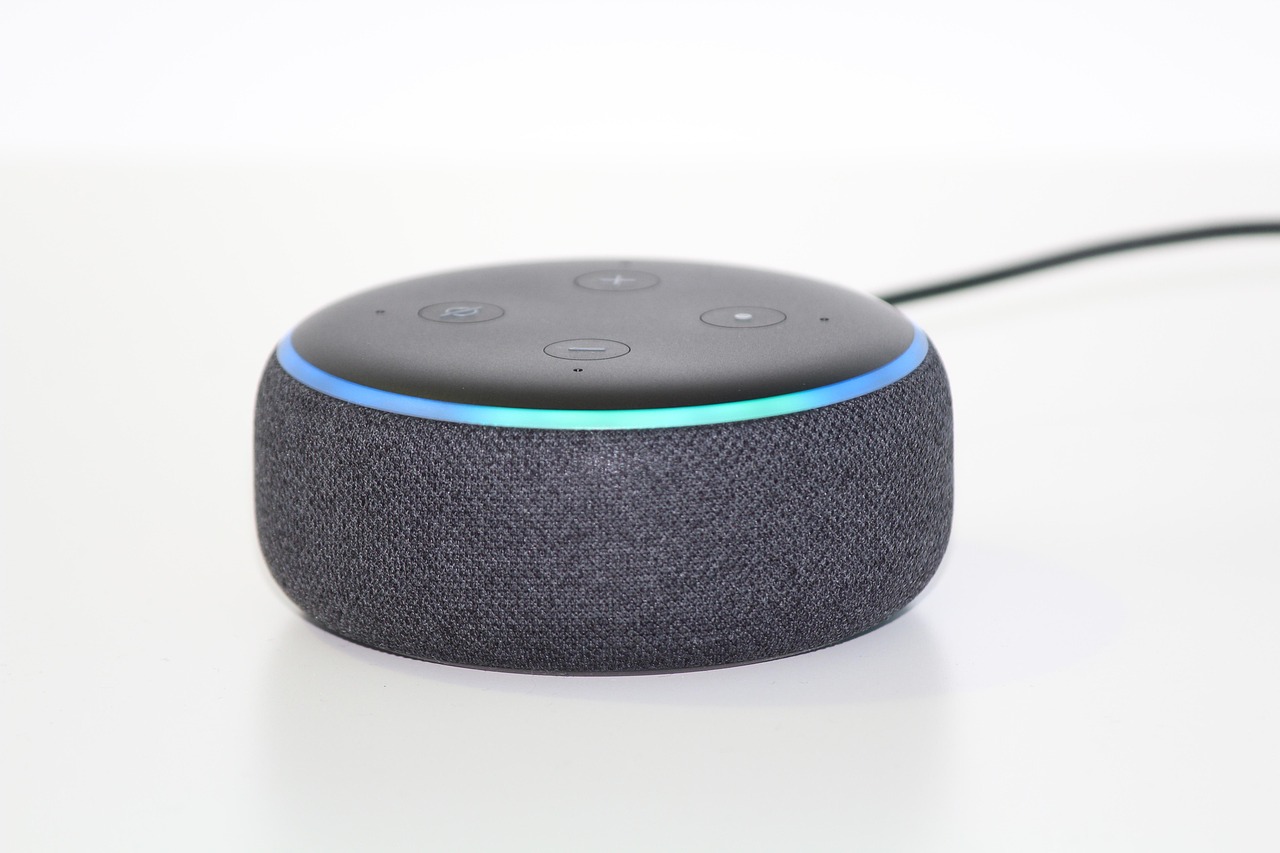
The microphone mute button physically disconnects the microphone array, preventing any listening—indicated by a red light on Echo devices. Use this feature whenever privacy is paramount, though it obviously disables voice activation.
Voice recordings can be reviewed and deleted through the Alexa app or voice commands. Amazon provides options to automatically delete recordings after three or eighteen months, or prevent human review of your recordings entirely for quality improvement purposes.
Entertainment Possibilities Through Voice Interaction 🎵
Alexa excels at delivering entertainment across multiple formats and platforms. Music streaming represents perhaps the most popular use case, with support for Amazon Music, Spotify, Apple Music, Pandora, and numerous other services.
Creating the perfect audio environment becomes effortless with voice control. Request specific songs, artists, albums, genres, or moods without lifting a finger. Multi-room music extends this experience throughout your home, synchronizing playback across multiple Echo devices for seamless sound.
Podcast listeners appreciate Alexa’s ability to play, pause, skip, and resume episodes across supported platforms. Integration with services like TuneIn, iHeartRadio, and native podcast support through Amazon Music provides extensive content libraries.
Video entertainment requires screen-equipped devices like Echo Show or Fire TV integration. Watch news briefings, cooking tutorials, music videos, or streaming content through supported services. Voice control makes navigating menus and finding content significantly more intuitive than traditional remote controls.
Boosting Productivity with Alexa’s Organizational Tools ✅
Beyond entertainment and home automation, Alexa serves as a powerful productivity assistant. The hands-free nature proves invaluable when multitasking or when your hands are otherwise occupied.
Shopping lists and to-do lists sync across devices through the Alexa app. Add items vocally as you think of them, then access your organized lists from your smartphone while shopping. Multiple list types keep groceries, errands, and projects properly separated.
Calendar integration with Google, Microsoft, and Apple calendars enables voice-controlled scheduling. Check your day’s agenda while getting ready, add appointments without interrupting your workflow, and receive proactive reminders about upcoming events.
Timers and alarms might seem basic, but their utility cannot be overstated. Set multiple named timers simultaneously—perfect for cooking complex meals. Custom alarm sounds and gradual volume increases create gentler wake-up experiences than jarring traditional alarms.
Communication Features Worth Exploring 📞
Alexa facilitates communication in surprisingly versatile ways. Drop In allows instant voice connections between Echo devices in different rooms or different homes—like an intercom system for the digital age.
Announcements broadcast messages to all Echo devices simultaneously, perfect for calling family to dinner or sharing quick updates. Unlike Drop In, announcements are one-way and don’t enable conversations.
Alexa Calling enables free voice calls to other Alexa users or traditional phone numbers in supported countries. This hands-free calling proves especially valuable when cooking, cleaning, or otherwise occupied.
Skills: Expanding Alexa’s Capabilities Infinitely 🚀
The Skills ecosystem represents Alexa’s most extensible feature, with over 100,000 third-party skills available. These function like apps, adding specific capabilities developed by companies and individuals worldwide.
Essential skills vary by individual needs, but certain categories prove universally valuable. News skills from major outlets provide customized briefings. Meditation and relaxation skills offer guided sessions for stress management. Educational skills teach languages, history, science, and countless other subjects.
Gaming skills transform Alexa into an interactive entertainment platform. Story-driven adventures, trivia competitions, and puzzle games leverage voice interaction in creative ways. Many support multiplayer experiences, making them perfect for family gatherings.
Enabling skills takes seconds through the Alexa app or website. Browse categories, read reviews, and activate interesting skills with a single tap. Disable unused skills periodically to keep your experience streamlined and responsive.
Privacy Settings Every User Should Configure
Privacy consciousness has rightfully increased around voice-activated devices. Amazon provides extensive controls, but users must actively configure them according to their comfort levels.
Voice history management deserves immediate attention. Access your complete recording history through the app, listening to clips and deleting individual recordings or entire periods. Enable automatic deletion to prevent indefinite storage of your voice interactions.
Skill permissions require regular review. Some skills request access to personal information like location, contacts, or lists. Periodically audit these permissions, revoking access for unused or suspicious skills.
Purchase settings prevent accidental or unauthorized orders. Require a voice confirmation code for purchases, or disable purchasing entirely if you prefer not using this feature. Household profiles help distinguish between different users’ shopping permissions.
Troubleshooting Common Alexa Issues 🔧
Even reliable technology occasionally experiences hiccups. Understanding common problems and their solutions saves frustration and support calls.
Connection problems represent the most frequent complaint. When Alexa reports connectivity issues, check your Wi-Fi router first—ensure it’s powered on and other devices connect successfully. Restart both your Echo device and router by unplugging them for thirty seconds.
Recognition accuracy suffers from background noise, music, or distance. Speak clearly at normal volume from within 8-10 feet for optimal results. Repositioning your device away from sound sources like televisions or appliances often resolves persistent misunderstandings.
Unresponsive devices usually respond to simple resets. Press and hold the action button for 25 seconds until the light ring turns off and on again. This soft reset preserves settings while clearing temporary glitches.
Comparing Alexa Across Different Echo Devices
Amazon offers numerous Alexa-enabled devices, each optimized for different use cases and budgets. Understanding distinctions helps you choose appropriate devices for specific rooms and purposes.
Echo Dot provides the most affordable entry point, delivering full Alexa functionality in a compact form. Perfect for bedrooms, offices, or any space where premium audio quality isn’t critical. The latest generation includes temperature sensors and improved sound compared to predecessors.
Standard Echo devices balance size, sound quality, and features. The spherical design improves audio dispersion, creating room-filling sound suitable for music listening. Built-in smart home hubs enable direct device control without additional hardware.
Echo Show adds touchscreens for visual information display. Recipes, video calls, security camera feeds, and visual responses enhance the voice-only experience. Screen sizes range from compact 5-inch models to impressive 15-inch displays.
Echo Studio targets audiophiles with premium sound quality featuring spatial audio processing and automatic room adaptation. Five directional speakers create immersive soundscapes worthy of high-end music collections.
Future Developments in Voice Assistant Technology 🔮
Alexa continues evolving rapidly, with Amazon investing heavily in artificial intelligence advancement. Understanding emerging trends helps users anticipate and leverage new capabilities.
Emotional intelligence represents a major focus area. Future versions will better detect frustration, urgency, or other emotional states, adjusting responses appropriately. This contextual awareness creates more natural, human-like interactions.
Proactive assistance moves beyond reactive command responses. Alexa will increasingly anticipate needs based on routines, preferences, and contextual clues—suggesting you might want an umbrella before leaving on rainy days, for example.
Multi-modal interactions combining voice, touch, and visual elements will deepen. Echo Show devices exemplify this direction, but expect tighter integration across smartphones, tablets, and other screens you already own.
Privacy enhancements will continue addressing user concerns. On-device processing for more commands reduces cloud dependency, minimizing data transmission while improving response speed and offline functionality.
Making the Most of Your Alexa Investment 💡
Maximizing value from Alexa requires moving beyond basic functions into creative applications that truly enhance daily life. Experimentation reveals personalized uses that tutorials cannot predict.
Morning routines benefit tremendously from voice automation. Configure Alexa to deliver personalized news briefings combining your preferred sources, local weather with outfit suggestions, commute traffic updates, and calendar overviews—all while you shower and dress.
Cooking becomes safer and more convenient with hands-free assistance. Ask for recipe conversions, timer management for multiple dishes, or step-by-step cooking instructions without touching devices with messy hands.
Bedtime routines promote better sleep through gradual automation. Dim lights progressively, play calming sounds or meditation guides, set morning alarms, and ensure doors are locked—all through customized voice commands or scheduled routines.
Accessibility features make technology usable for people with visual impairments, mobility limitations, or other challenges. Voice control removes physical barriers, while features like VoiceView provide screen-reading capabilities on Echo Show devices.
The Competitive Landscape: Alexa vs. Alternatives
While Alexa dominates smart home integration and skill variety, understanding competitive offerings provides valuable context for platform decisions.
Google Assistant excels at information retrieval and contextual understanding, leveraging Google’s search expertise. Integration with Google services like Gmail, Calendar, and Photos creates seamless experiences for users invested in that ecosystem.
Apple’s Siri prioritizes privacy and Apple device integration. The HomePod speaker delivers exceptional audio quality, though the ecosystem remains more closed and expensive than alternatives.
Alexa’s strength lies in its massive third-party support, affordable device options, and mature smart home integration. The open approach encourages innovation while maintaining accessibility for mainstream users.
Your Voice-Controlled Future Starts Today
Embracing voice technology represents more than adopting a gadget—it signals a fundamental shift in human-computer interaction. Alexa makes this transition accessible, affordable, and immediately useful for millions worldwide.
Start small, experiment freely, and gradually expand your usage as comfort and understanding grow. The learning curve is gentle, with immediate rewards motivating continued exploration.
Privacy concerns deserve serious consideration, but shouldn’t prevent experiencing legitimate benefits. Configure settings according to your comfort level, understanding the tradeoffs between convenience and data sharing.
The voice-first future is already here, quietly transforming homes, routines, and expectations about technology’s role in daily life. Whether you’re seeking entertainment, productivity, home automation, or simply a more accessible way to interact with digital services, Alexa offers proven solutions ready to enhance your lifestyle today. 🌟
