
Anúncios
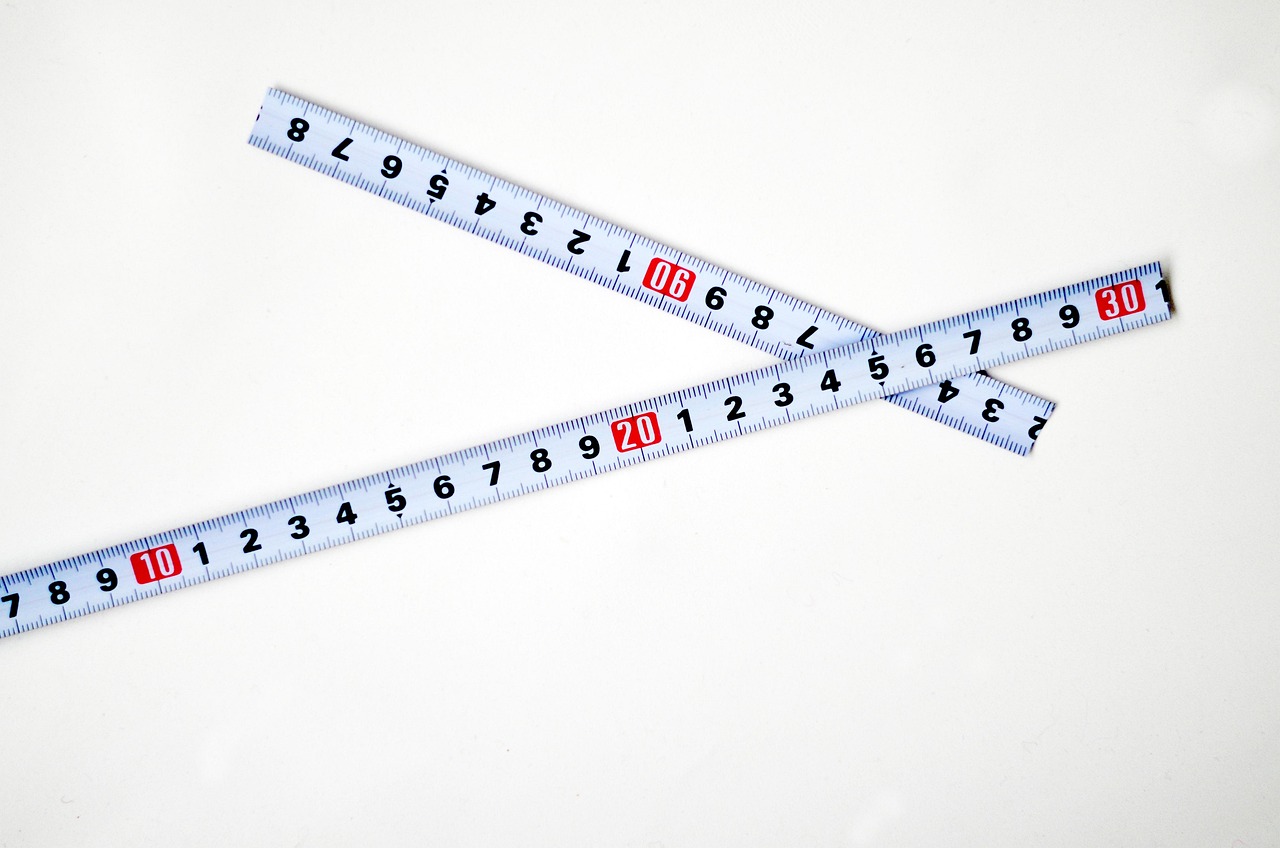
The measuring tape, or trena, has evolved from a simple construction tool into an indispensable instrument across countless industries and everyday situations worldwide.


Whether you’re a professional contractor, an interior designer, a DIY enthusiast, or simply someone trying to determine if that new sofa will fit through your doorway, understanding the trena and its capabilities can make your life significantly easier. This versatile measuring device has witnessed remarkable technological advancements while maintaining its core purpose: providing accurate measurements quickly and efficiently.
Anúncios
From traditional retractable steel tape measures to modern laser distance meters, the world of measurement tools continues to expand. Let’s explore everything you need to know about this essential tool, including its history, types, applications, and how to choose the perfect one for your needs. 📏
The Fascinating Evolution of Measuring Tapes Through History
The history of the trena traces back centuries, with early civilizations using rudimentary measuring devices made from rope, cloth, and eventually metal strips. Ancient Egyptians employed rope stretched to specific lengths for construction projects, including the pyramids. However, the modern retractable measuring tape we recognize today emerged in the 19th century.
The first spring-loaded, retractable tape measure was patented in 1868 by Alvin J. Fellows in New Haven, Connecticut. This innovation revolutionized the construction industry by allowing workers to take measurements single-handedly and store the tool compactly. Before this invention, measuring required two people holding opposite ends of a rigid ruler or unwieldy cloth tape.
Anúncios
Throughout the 20th century, manufacturers refined the design, introducing features like locking mechanisms, belt clips, shock-absorbing cases, and improved tape materials. The introduction of fiberglass tapes in the 1940s provided flexibility for longer measurements, while modern steel alloys offered increased durability and resistance to kinking.
Understanding Different Types of Measuring Tapes and Their Uses
Today’s market offers an impressive variety of measuring instruments, each designed for specific applications and environments. Choosing the right type depends on your particular needs, work conditions, and accuracy requirements.
Traditional Retractable Steel Tape Measures
These remain the most popular choice for general construction, woodworking, and home improvement projects. Featuring a curved steel blade that retracts into a compact case, these tools typically range from 12 to 35 feet in length. The blade’s curve provides rigidity when extended, allowing for horizontal measurements without support.
Quality retractable tapes include features like magnetic hooks for one-person operation, dual-sided printing for versatility, and reinforced cases that withstand drops from heights. Professional-grade models often incorporate fractional markings down to 1/32 of an inch for precision work.
Long-Distance Fiberglass and Cloth Tapes
For measurements exceeding 30 feet, fiberglass or cloth tapes prove more practical. These flexible tapes commonly extend to 100, 200, or even 300 feet, making them ideal for surveying, landscaping, and large-scale construction projects. Unlike steel tapes, they won’t conduct electricity, providing safety advantages near power lines.
The trade-off involves reduced rigidity—these tapes require two people for accurate measurements or must be laid on the ground. However, their lightweight design and resistance to moisture make them perfect for outdoor applications.
Digital and Laser Measuring Devices
Technology has transformed the measuring landscape with digital laser distance meters that provide instant, highly accurate readings at the push of a button. These devices use laser technology to calculate distances up to several hundred feet with precision often within 1/16 of an inch.
Modern laser measures include features like area and volume calculations, Pythagorean functions for indirect measurements, memory storage for multiple readings, and Bluetooth connectivity for transferring data to smartphones or tablets. While more expensive than traditional tapes, they dramatically increase efficiency for professionals taking numerous measurements daily.

Essential Features to Consider When Selecting Your Perfect Trena
Purchasing the right measuring tape involves evaluating several critical factors beyond just length. Understanding these features ensures you invest in a tool that meets your specific requirements and provides years of reliable service.
Blade Width and Standout Distance
The blade width directly impacts standout—the distance the tape can extend horizontally before bending. Wider blades (typically 1 to 1.25 inches) offer greater standout, crucial for taking measurements alone. A quality 25-foot tape with a 1-inch blade might provide 7-8 feet of standout, while a 1.25-inch blade could extend to 10-11 feet.
Professional contractors often prefer wider blades for this advantage, despite the slightly larger case size. For tight spaces or precision work, narrower blades offer better maneuverability.
Locking Mechanisms and Durability
A reliable locking mechanism prevents the tape from retracting during measurement, essential for accuracy and safety. Quality tapes feature smooth, easy-to-operate locks that hold firmly without slipping. Some advanced models include automatic locking systems that engage when the tape reaches full extension.
Case durability matters significantly, especially for construction environments. Rubberized grips absorb impact from drops, while reinforced corners protect internal mechanisms. Premium models undergo rigorous testing, including multiple drops from various heights onto concrete.
Hook Design and Magnetic Capabilities
The hook at the tape’s end serves multiple purposes: catching edges, marking reference points, and in magnetic versions, attaching to metal surfaces for hands-free operation. Quality hooks feature a slight amount of play—this isn’t a defect but intentional design compensating for the hook’s thickness during inside versus outside measurements.
Magnetic hooks have become increasingly popular, particularly among electricians, HVAC technicians, and metal fabricators. The magnet allows single-person measurements on metal surfaces, dramatically improving efficiency and accuracy. 🧲
Mastering Accurate Measurement Techniques and Best Practices
Owning a quality trena represents only half the equation—understanding proper measurement techniques ensures accuracy and extends the tool’s lifespan. Even experienced professionals benefit from reviewing fundamental practices.
Reading Measurements Correctly
American tapes typically display imperial measurements (feet and inches), while international versions show metric (meters and centimeters). Many modern tapes include both systems. Understanding how to read fractions accurately prevents costly mistakes—the difference between 3/8 and 1/2 inch might seem minor but can cause significant problems in precision work.
Always position your eye directly above the measurement point to avoid parallax errors. Reading from an angle can introduce discrepancies of 1/16 inch or more, particularly with reflective blade surfaces.
Compensating for Hook Movement
As mentioned earlier, the hook’s slight movement serves a purpose. When hooking over an edge (outside measurement), the hook pulls out to compensate for its thickness. When pushing against a surface (inside measurement), it pushes in. This ensures accuracy in both scenarios, but damaged hooks lose this calibration.
Inspect your hook regularly for bends, wear, or loose rivets. A damaged hook compromises every measurement and should be replaced immediately or the entire tape retired from precision work.
Extending Tape Life Through Proper Care
Simple maintenance dramatically extends your trena’s functional life. After use, allow the tape to retract slowly rather than snapping back—this prevents internal spring damage and reduces blade kinking. Clean the blade periodically with a dry cloth to remove dust, dirt, and moisture that cause rust and premature wear.
Store tapes in dry environments when possible, and apply light machine oil to the blade occasionally if working in humid conditions. Avoid dropping the case, particularly on the side where the tape retracts, as this can damage the spring mechanism or cause the blade to jam.
Industry-Specific Applications and Professional Uses
Different professions demand specialized measuring tools optimized for particular challenges and environments. Understanding these applications helps professionals select appropriate equipment and highlights the trena’s versatility across industries.
Construction and Carpentry Applications
Construction professionals rely on durable, accurate tapes throughout every project phase. Framers need long standout for measuring between studs and joists, while finish carpenters require precision markings for trim work. Many construction tapes include specialized markings for common stud spacing (16 and 24 inches), rafter layouts, and other frequently used measurements.
Water resistance and impact protection prove essential on construction sites where tools endure harsh conditions. Professional-grade construction tapes often feature lifetime warranties, reflecting their robust construction and manufacturers’ confidence in durability.
Interior Design and Space Planning
Interior designers and space planners increasingly favor laser measures combined with smartphone apps for creating floor plans and furniture layouts. These tools allow rapid room measurements, automatic area calculations, and digital documentation of spaces for later reference.
Traditional tapes remain valuable for measuring furniture dimensions, fabric yardage, and other tactile applications where physical contact with the measured object provides better accuracy than laser distance.
Landscaping and Outdoor Projects
Landscapers and outdoor professionals typically use long-distance fiberglass tapes for laying out gardens, measuring property boundaries, and planning irrigation systems. The non-conductive nature of fiberglass provides safety advantages when working near buried electrical lines or overhead power.
Some landscaping tapes feature high-visibility colors (bright orange or yellow) for easy location in grass or mulch. Weather-resistant cases and rust-proof blades extend service life in outdoor environments exposed to moisture and temperature variations. 🌳
The Digital Revolution: Smartphone Apps as Measuring Tools
Smartphone technology has introduced virtual measuring capabilities through augmented reality (AR) and camera-based applications. These apps use device cameras and sensors to estimate distances, dimensions, and areas without physical contact with measured objects.
While convenient for quick estimates and situations where carrying physical tools proves impractical, smartphone measuring apps currently lack the precision required for professional applications. Accuracy varies significantly based on lighting conditions, camera quality, and user technique, typically providing measurements within 1-2% accuracy under ideal conditions.
These digital solutions excel for furniture shopping, quick home measurements, and travel situations where carrying traditional tools isn’t feasible. However, professionals should maintain physical measuring devices for work requiring precision and accountability.
Safety Considerations When Using Measuring Tapes
Though seemingly harmless, measuring tapes present legitimate safety hazards when misused or poorly maintained. Understanding these risks prevents injuries and promotes safer work environments.
Blade Retraction Injuries
The most common tape measure injury occurs when the blade retracts rapidly, striking fingers, hands, or faces. The metal blade’s sharp edges and high-speed retraction can cause cuts, particularly with longer, heavier tapes. Always control retraction speed and keep body parts clear of the blade’s path.
Teaching these safety practices to apprentices and young workers prevents unnecessary injuries and establishes good habits early in their careers.
Electrical Hazards
Metal measuring tapes conduct electricity, creating serious shock hazards near live electrical circuits or overhead power lines. Electricians and workers in environments with electrical exposure should use non-conductive fiberglass tapes or laser measures to eliminate this risk entirely.
Numerous accidents and fatalities have occurred when metal tapes contacted overhead power lines during construction or roofing work. Maintaining awareness of surroundings and choosing appropriate tools for the environment saves lives. ⚡
Comparing Popular Brands and Making Informed Purchasing Decisions
The measuring tape market features numerous manufacturers ranging from budget-friendly options to premium professional-grade tools. Understanding brand reputations and performance differences helps buyers make informed decisions matching their needs and budgets.
Premium Professional Brands
Established brands like Stanley, Milwaukee, DeWalt, and Lufkin dominate the professional market with proven reliability and comprehensive warranties. These manufacturers invest heavily in research, development, and quality control, resulting in tools that withstand years of daily professional use.
Premium tapes typically cost 2-3 times more than budget alternatives but offer superior durability, accuracy, and features. For professionals using tapes daily, this investment quickly pays for itself through extended service life and reduced replacement frequency.
Budget and Consumer Options
Homeowners and occasional users often find excellent value in mid-range brands offering solid performance at affordable prices. While lacking some premium features and extreme durability, quality consumer-grade tapes provide accurate measurements and reasonable longevity for periodic use.
Avoid extremely cheap tapes sold at discount stores—these often feature poor accuracy, weak locking mechanisms, and short service lives. Even for occasional use, investing in a reputable mid-range tape proves more economical long-term than repeatedly replacing inferior tools.
Environmental Impact and Sustainability Considerations
As environmental awareness grows, manufacturers increasingly focus on sustainable practices in tool production. Some companies now use recycled materials in tape cases, employ eco-friendly manufacturing processes, and design products for easy repair rather than disposal.
Consumers can support sustainability by choosing durable, repairable tools over disposable alternatives, properly maintaining equipment to extend service life, and recycling old tapes through metal reclamation programs when available. Quality tools kept in service for decades represent the most environmentally responsible choice.
Future Innovations in Measurement Technology
The measurement tool industry continues evolving with emerging technologies promising enhanced accuracy, functionality, and integration with digital workflows. Augmented reality glasses may soon overlay measurements directly onto viewed objects, while AI-powered systems could automatically detect and record dimensions during walkthroughs.
Integration with building information modeling (BIM) software already allows digital measurements to populate 3D models automatically, streamlining design and construction processes. As these technologies mature and become more affordable, they’ll complement rather than replace traditional measuring tools, offering professionals multiple options for various situations.
However, the fundamental trena—a simple, reliable device requiring no batteries or connectivity—will likely remain essential for countless applications where simplicity, durability, and independence from technology prove most valuable. 🔧
Maximizing Your Investment Through Proper Selection and Care
Choosing and maintaining the right measuring tape represents a small but significant decision impacting work efficiency and accuracy. By understanding your specific needs, evaluating quality indicators, and implementing proper care practices, you ensure reliable performance from this essential tool.
Whether you’re a seasoned professional requiring industrial-grade durability or a homeowner tackling occasional projects, the perfect trena exists for your needs. Take time to research options, read reviews from users in similar situations, and handle tools in person when possible to assess ergonomics and build quality.
Remember that measurement accuracy affects every subsequent operation in any project. A measurement error of just 1/4 inch, repeated across multiple cuts or installations, compounds into significant problems requiring costly corrections. Investing in quality measuring tools and developing accurate measurement skills pays dividends throughout your work.
The humble trena has served humanity faithfully for generations, evolving from simple cloth strips to sophisticated digital devices while maintaining its essential purpose: helping us understand and interact with the physical world through precise measurement. Respect this tool, maintain it properly, and it will serve you reliably for years to come, whether you’re building homes, creating art, or simply ensuring that new couch fits perfectly in your living room.
