
Anúncios
Learning to read and write opens doors to endless opportunities, transforming lives through communication, knowledge, and personal growth in ways nothing else can.


Literacy represents one of humanity’s most powerful achievements. The ability to decode symbols on a page and transform them into meaning—or to encode thoughts into written form—shapes our education, careers, and daily interactions. Whether you’re a parent guiding a child, an adult learner reclaiming missed opportunities, or an educator refining teaching methods, understanding the literacy journey is essential.
Anúncios
This comprehensive guide explores practical strategies, proven methods, and modern tools that make learning to read and write accessible and enjoyable. We’ll examine age-appropriate approaches, tackle common obstacles, and discover how technology enhances traditional instruction. By the end, you’ll have actionable insights to support literacy development at any stage.
📖 Understanding the Foundation of Reading Skills
Reading doesn’t happen overnight. It’s a complex cognitive process that builds through distinct developmental stages. Recognizing these phases helps tailor instruction to individual readiness levels.
Phonemic awareness forms the bedrock. This skill involves recognizing and manipulating individual sounds in spoken words—understanding that “cat” contains three distinct sounds: /k/, /æ/, and /t/. Children typically develop this between ages three and five, though adult learners benefit from explicit phonemic training too.
Anúncios
Next comes phonics, where learners connect these sounds to written letters. The letter “C” makes the /k/ sound in “cat.” This sound-symbol relationship seems simple but requires systematic instruction. Research shows structured phonics programs boost reading success significantly compared to incidental learning approaches.
Fluency develops as decoding becomes automatic. Instead of laboriously sounding out each word, readers recognize patterns and whole words instantly. Fluent readers allocate mental energy to comprehension rather than basic decoding, reading smoothly and with appropriate expression.
Finally, vocabulary and comprehension represent the ultimate goal. Understanding what you read matters more than simply identifying words. Strong readers build extensive vocabularies through exposure, context clues, and explicit instruction, constantly expanding their conceptual knowledge.
The Science Behind How Brains Process Text
Neuroscience reveals that reading hijacks brain regions originally evolved for other purposes. The visual cortex identifies letter shapes, language centers assign meaning, and speech areas activate even during silent reading.
Brain imaging studies show skilled readers activate the “letterbox” area—a specialized region in the left fusiform gyrus. This area responds automatically to written text, enabling rapid word recognition. Developing this neural pathway requires practice and repetition, typically spanning several years.
Interestingly, the brain’s plasticity means these pathways can form at any age. Adult learners may take longer initially but often demonstrate faster progress once foundational skills click into place, leveraging their broader life experience and vocabulary.
✍️ Building Strong Writing Foundations
Writing and reading complement each other, yet writing demands additional motor skills and compositional thinking. The physical act of forming letters (handwriting) or typing represents just the beginning.
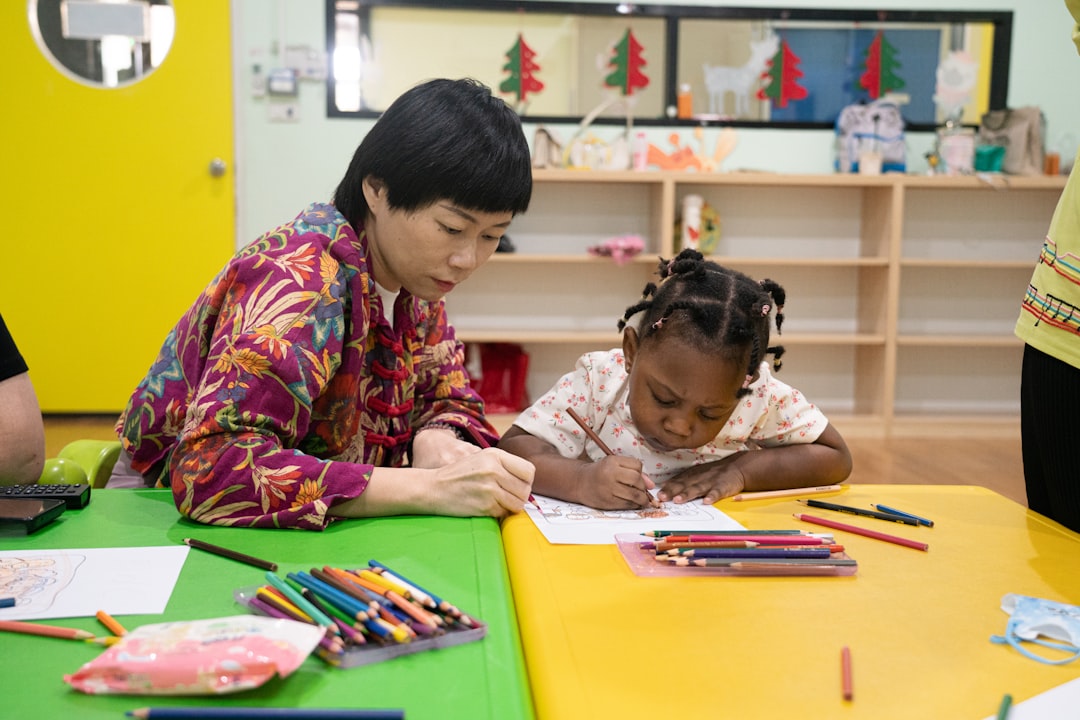
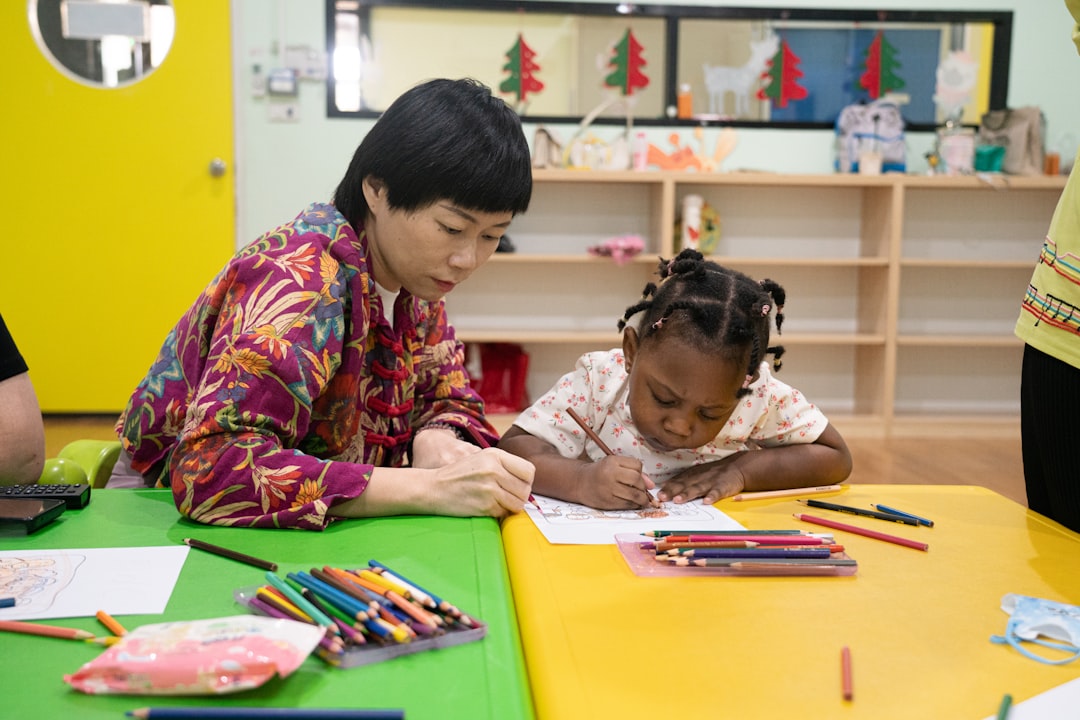
Fine motor development is crucial for young learners. Holding pencils correctly, controlling pressure, and coordinating hand-eye movements take practice. Activities like playdough manipulation, bead threading, and coloring strengthen these prerequisite skills.
Letter formation follows developmental sequences. Children typically master uppercase letters before lowercase, and certain letters pose consistent challenges. The letter “b” and “d” confusion persists for many beginners, requiring targeted practice and multisensory approaches.
Spelling patterns emerge through exposure and instruction. English spelling notoriously breaks its own rules, but patterns exist. Teaching word families (cat, bat, sat) and common letter combinations (tion, ough) provides scaffolding for independent spelling.
Beyond mechanics, compositional skills involve organizing thoughts, structuring sentences, and developing ideas coherently. Even simple sentences require planning: What’s the main idea? What details support it? How should information be sequenced?
The Connection Between Reading Input and Writing Output
Reading widely improves writing automatically. Exposure to varied sentence structures, vocabulary, and organizational patterns subconsciously informs our own composition. Students who read regularly demonstrate more sophisticated writing than those with limited reading experience.
Modeling matters tremendously. When adults write in front of children—grocery lists, emails, journal entries—they demonstrate writing’s real-world purpose and process. Thinking aloud while composing (“I need to add a comma here to separate these ideas”) makes invisible cognitive processes visible.

🎯 Effective Methods for Teaching Young Children
Children learn differently than adults, requiring playful, multisensory approaches that maintain engagement while building skills systematically.
Letter recognition games make learning fun. Alphabet puzzles, magnetic letters, and letter hunts (“Find three things that start with ‘M'”) transform abstract symbols into tangible objects. Singing alphabet songs with corresponding motions adds kinesthetic reinforcement.
Storytelling builds both comprehension and motivation. Reading aloud daily exposes children to rich vocabulary, narrative structures, and print conventions (reading left to right, turning pages). Interactive read-alouds where children predict outcomes or discuss characters deepen engagement.
Invented spelling encourages early writers. When children spell words phonetically (kat for cat), they’re applying phonemic knowledge creatively. Rather than discouraging these attempts, educators should celebrate the logic while gradually introducing conventional spellings.
Rhyming activities sharpen phonemic awareness effortlessly. Songs, nursery rhymes, and word games help children notice sound patterns. “What rhymes with ‘bear’?” prompts mental manipulation of sounds—critical pre-reading practice.
Age-Appropriate Milestones to Watch For
Understanding typical developmental timelines prevents unrealistic expectations while identifying when intervention might help:
- Ages 3-4: Recognizes some letters, especially those in own name; understands books contain stories; scribbles with purpose
- Ages 4-5: Knows most letter names and sounds; recognizes familiar words (stop signs, logos); writes some letters and own name
- Ages 5-6: Decodes simple words; writes simple sentences; reads familiar books with support
- Ages 6-7: Reads independently with increasing fluency; writes multiple sentences with basic punctuation; uses phonics strategies
- Ages 7-8: Reads chapter books; writes organized paragraphs; applies spelling rules with growing accuracy
Remember, these represent general guidelines. Children develop at individual paces, and variation within normal ranges is expected.
💡 Strategies for Adult Learners
Adults learning to read and write face unique challenges and advantages. Shame or embarrassment about literacy gaps creates emotional barriers, yet life experience and motivation often accelerate progress.
Functional literacy approaches work exceptionally well. Instead of abstract exercises, adults benefit from materials matching real-life needs: job applications, prescription labels, text messages, bus schedules. Immediate practical application reinforces learning and maintains motivation.
Building on existing knowledge accelerates progress. Adults possess extensive oral vocabulary and world knowledge. Connecting written words to known concepts (“That sign says ‘pharmacy’—where you buy medicine”) bridges gaps faster than starting from scratch.
Technology removes barriers for many adult learners. Text-to-speech functions allow independent access to written materials while building word recognition. Speech-to-text tools enable composition without mechanical writing difficulties hindering expression.
Privacy concerns matter. Many adult learners prefer discrete, self-paced options. Online programs, mobile apps, and one-on-one tutoring provide safe learning environments without classroom exposure.
Overcoming Common Psychological Barriers
Adult literacy instruction must address emotional dimensions. Years of struggling create learned helplessness and anxiety around reading situations.
Reframing literacy as skill-building rather than inherent intelligence helps. Emphasizing that reading ability results from instruction and practice—not innate smartness—reduces shame. Highlighting examples of successful late-blooming readers provides inspiration.
Celebrating small wins maintains momentum. Mastering ten sight words represents genuine progress deserving recognition. Breaking long-term goals into achievable milestones prevents overwhelm and demonstrates concrete advancement.
🚀 Leveraging Technology and Apps Effectively
Digital tools transform literacy instruction, offering interactive, personalized experiences impossible with traditional materials alone. However, technology supplements rather than replaces human guidance.
Interactive learning apps provide engaging practice with immediate feedback. Games teaching letter sounds, word building, and reading comprehension adapt difficulty based on performance. The gamification elements—points, levels, rewards—motivate continued practice.
Many apps incorporate multisensory learning naturally. Tracing letters on touchscreens combines visual, kinesthetic, and sometimes auditory input. Animation shows proper letter formation, while audio reinforces sound-symbol connections.
E-books with read-along features support developing readers. Highlighted text synchronized with narration helps learners connect spoken and written words. Adjustable reading speeds accommodate individual processing needs.
Digital libraries expand access dramatically. Thousands of age-appropriate books become available instantly, removing barriers of cost and transportation. This abundance encourages reading volume—the single strongest predictor of literacy growth.
Balancing Screen Time with Traditional Methods
Technology offers powerful tools but shouldn’t monopolize instruction. Physical books provide tactile experiences and reduce screen fatigue. Handwriting practice develops fine motor skills and potentially enhances retention compared to typing.
Blended approaches work best: apps for phonics drill, physical books for bedtime reading, handwriting practice for letter formation, typing for longer compositions. Variety maintains engagement while addressing multiple skill dimensions.
📚 Creating a Literacy-Rich Environment
Environment profoundly influences literacy development. Homes and classrooms that immerse learners in print naturally foster growth.
Accessible materials matter most. Books at appropriate reading levels within easy reach invite independent exploration. Rotating selections maintains novelty and interest. Include diverse formats: picture books, comics, magazines, informational texts.
Labeling household objects teaches environmental print. Simple labels on doors, furniture, and containers (“refrigerator,” “closet,” “toys”) transform homes into learning spaces. Children absorb these sight words through repeated exposure.
Modeling literacy demonstrates its value. When children observe adults reading for pleasure and purpose—newspapers, novels, recipes—they internalize reading as meaningful adult behavior worth emulating.
Writing supplies should be readily available. Stocked stations with various papers, pencils, markers, and crayons invite spontaneous writing. A magnetic poetry kit on the refrigerator encourages word play during everyday moments.
The Role of Libraries and Community Resources
Public libraries offer literacy treasures beyond book collections. Story times provide social reading experiences. Librarians suggest age-appropriate titles and help navigate overwhelming choices. Many libraries now loan educational toys, puzzles, and technology.
Summer reading programs prevent the “summer slide”—the reading regression many students experience during long breaks. These programs combine reading goals with rewards, maintaining skills year-round.
Community literacy programs serve adult learners and families. Free tutoring, conversation groups, and family literacy nights remove financial barriers while building supportive communities around learning.
🧩 Addressing Learning Difficulties and Dyslexia
Some learners face neurological differences making reading and writing particularly challenging. Early identification and specialized instruction dramatically improve outcomes.
Dyslexia, affecting 10-15% of the population, involves difficulty with phonological processing. Letters may appear to move or reverse. Decoding takes enormous mental energy, leaving little for comprehension.
Structured literacy programs specifically designed for dyslexia emphasize explicit, systematic phonics instruction. Multisensory techniques—simultaneously seeing, saying, and tracing letters—strengthen neural pathways. Orton-Gillingham and Wilson Reading System represent evidence-based approaches.
Accommodations level the playing field. Audiobooks provide content access while reading skills develop. Extended time on assignments reduces pressure. Text-to-speech and speech-to-text technologies bypass mechanical difficulties.
Early screening identifies at-risk learners before frustration accumulates. Simple assessments of phonemic awareness and letter knowledge in kindergarten predict reading difficulties with remarkable accuracy, enabling preventive intervention.
When to Seek Professional Evaluation
Consider evaluation if learners show persistent struggles despite good instruction:
- Significant difficulty remembering letter sounds despite repeated teaching
- Inability to blend sounds into words or segment words into sounds
- Reading significantly below grade level expectations
- Strong listening comprehension but poor reading comprehension
- Family history of reading difficulties
- Extreme avoidance of reading and writing tasks
Educational psychologists and specialized reading teachers conduct comprehensive evaluations, identifying specific deficit areas and recommending targeted interventions.
🌟 Maintaining Motivation Throughout the Journey
Literacy development spans years, requiring sustained effort. Maintaining motivation prevents abandonment when progress feels slow.
Choice empowers learners. Allowing selection of reading materials—even if below optimal challenge level—maintains engagement. A motivated reader tackling easier texts progresses faster than a frustrated reader avoiding appropriately leveled materials.
Connecting literacy to personal interests works powerfully. Dinosaur enthusiasts devour dinosaur books. Sports fans eagerly read statistics and player biographies. Finding the intersection between individual passions and reading materials transforms literacy from obligation to pleasure.
Progress tracking visualizes growth. Charts showing books completed, words mastered, or writing improvements provide concrete evidence of advancement. During frustrating plateaus, reviewing past progress reminds learners how far they’ve come.
Authentic audiences for writing increase investment. Publishing classroom books, sharing stories with relatives, or posting to kid-safe blogs gives writing real purpose beyond teacher evaluation.
Celebrating Milestones Meaningfully
Recognition reinforces effort and achievement. Celebrations needn’t be elaborate—sincere acknowledgment matters most.
Reading the first complete book independently deserves commemoration. Finishing a first chapter book represents another milestone. Writing a complete story with beginning, middle, and end warrants celebration.
Sharing achievements with supportive communities amplifies their significance. Reading new skills to grandparents via video call, displaying published writing, or receiving certificates at library summer reading programs all validate accomplishment publicly.
🔄 Making Reading and Writing Daily Habits
Consistency trumps intensity. Daily 15-minute practice sessions outperform weekly hour-long marathons for building skills.
Routine integration makes literacy practice sustainable. Reading before bed becomes as automatic as brushing teeth. Writing in journals while waiting for dinner transforms dead time into learning opportunities.
Family literacy activities model behavior while building skills. Taking turns reading pages aloud during bedtime stories includes everyone. Playing word games during car rides—”I spy something starting with ‘B'”—practices phonemic awareness painlessly.
Environmental cues trigger habits. Placing books on pillows signals reading time. Keeping journals on breakfast tables prompts morning writing. These visual reminders reduce decision fatigue.
Tracking streaks motivates continuation. Marking calendars for consecutive reading days creates momentum. Breaking streaks feels like losing progress, encouraging persistence through less motivated moments.
🎓 The Lifelong Benefits of Literacy Mastery
Literacy unlocks opportunities extending far beyond academic achievement. Strong reading and writing skills correlate with higher incomes, better health outcomes, and increased civic participation.
Career advancement depends heavily on literacy. Most jobs require reading comprehension for training materials, safety procedures, and communication. Writing skills enable professional emails, reports, and documentation. Digital literacy—increasingly inseparable from traditional literacy—becomes essential across industries.
Personal empowerment follows literacy mastery. Reading contracts prevents exploitation. Understanding medical information enables informed health decisions. Accessing online resources solves everyday problems independently.
Cognitive benefits extend throughout life. Reading regularly builds vocabulary, enhances focus, and potentially reduces cognitive decline risk. Writing clarifies thinking and processes emotions constructively.
Cultural participation enriches existence. Literature provides windows into different perspectives and mirrors reflecting our experiences. Writing preserves memories, explores creativity, and connects us with others across time and space.
Learning to read and write represents one of life’s most valuable investments. Whether beginning the journey in childhood or reclaiming it in adulthood, the destination—literacy—opens pathways to knowledge, expression, and possibility. With patience, appropriate instruction, and consistent practice, these fundamental skills become not just achievable but life-changing.
