
Anúncios
Rediscover the joy of timeless classics by learning how to listen to old music offline without spending a dime on subscriptions or data.


Music has an incredible power to transport us back in time. Whether it’s the soulful melodies of the 60s, the disco beats of the 70s, or the rock anthems of the 80s, old songs carry memories and emotions that never fade. The challenge today is finding ways to enjoy these treasures without relying on constant internet connectivity or expensive streaming subscriptions.
Fortunately, technology offers multiple solutions that let you build a personal library of vintage tracks you can access anytime, anywhere. From dedicated apps with offline capabilities to creative workarounds using free platforms, there are numerous methods to keep your favorite oldies playing even when you’re off the grid. Let’s explore the most practical and cost-effective approaches to enjoying classic music without burning through your data plan.
🎵 Why Offline Music Access Matters for Classic Songs
Streaming services have revolutionized how we consume music, but they come with limitations. Data costs can skyrocket, especially in areas with poor connectivity. For those who commute through tunnels, travel frequently, or live in regions with unreliable internet, offline access becomes essential rather than optional.
Classic music lovers face an additional challenge: not all vintage tracks are available on mainstream platforms. Many regional hits, B-sides, and rare recordings from decades past exist only in physical formats or obscure digital archives. Building an offline collection ensures you never lose access to these gems, regardless of licensing changes or platform availability.
Battery life is another consideration. Streaming music continuously drains your device faster than playing locally stored files. When you’re on a long road trip or hiking adventure, having downloaded music can mean the difference between soundtrack and silence halfway through your journey.
📱 Best Apps for Downloading Old Music Legally and Free
Several legitimate platforms allow you to download music for offline listening without breaking copyright laws or emptying your wallet. These services operate under different models—ad-supported free tiers, promotional downloads, or public domain content—but all deliver legal access to classic tracks.
Streaming Services with Free Offline Features
Spotify Free offers limited offline capabilities in certain regions through special promotions, though their standard free tier requires internet. However, you can create playlists of oldies and use their desktop app to record what’s playing through system audio (using third-party tools like Audacity), then transfer files to your phone—though this operates in a legal gray area depending on your country’s copyright laws.
YouTube Music provides background playback and some download options with their free trial period. Many classic songs have official uploads or user-generated content featuring old recordings. While the free version has limitations, strategic use during trial periods can help you build a collection.
Deezer stands out with a robust catalog of vintage music spanning multiple decades and genres. Their premium trial offers full offline download capabilities, and even after the trial, you can access a vast library of classic tracks. The platform excels at curating oldies playlists and rare recordings from various eras.

Public Domain and Archive Platforms
Internet Archive hosts millions of audio recordings in the public domain, including thousands of songs from the early-to-mid 20th century. Their mobile app lets you browse collections like the Great 78 Project, which digitized old vinyl records. Downloads are completely free and legal since these works have expired copyrights.
Free Music Archive (FMA) offers curated selections of freely downloadable music, including vintage recordings and modern artists performing in classic styles. While not exclusively focused on old music, their “Oldies” and “Vintage” categories contain hidden treasures.
Musopen specializes in classical music recordings that are copyright-free. If your taste in “old music” includes orchestral works from composers like Beethoven, Mozart, or Bach, this platform provides high-quality recordings you can download without restrictions.
💾 Smart Strategies to Build Your Offline Music Library
Creating a comprehensive collection of classic songs requires a strategic approach. Rather than randomly downloading tracks, focus on building a curated library that reflects your tastes while maximizing storage efficiency.
Organizing Your Collection by Decades and Genres
Structure your music folder into clear categories: separate folders for the 50s, 60s, 70s, 80s, and 90s. Within each decade, create subfolders for genres like rock, soul, jazz, disco, or country. This organization makes it easier to create playlists and find specific moods quickly.
Use consistent file naming conventions. A format like “Artist – Song Title (Year)” helps you identify tracks at a glance and ensures proper sorting. For compilation albums or various artists collections, prefix the filename with “VA” to distinguish them from single-artist albums.
Optimizing Audio Quality vs. Storage Space
Old music doesn’t always need ultra-high bitrates to sound good. Many vintage recordings were made with analog equipment that has natural limitations. A 192kbps MP3 or AAC file often sounds identical to lossless formats for songs recorded before the digital era, while taking up significantly less space.
Consider these file size guidelines for a 3-minute song:
- 128kbps MP3: approximately 3MB (acceptable for spoken word or lo-fi recordings)
- 192kbps MP3: approximately 4.5MB (sweet spot for most vintage music)
- 256kbps AAC: approximately 6MB (excellent quality for remastered classics)
- 320kbps MP3: approximately 7.5MB (overkill for most old recordings)
If you’re working with a 32GB phone with 10GB available for music, you can store roughly 2,000 songs at 192kbps—more than enough for a diverse collection of oldies from multiple decades.
Leveraging Free Trials Effectively
Many streaming platforms offer 30 to 90-day free trials with full download privileges. Create a strategic plan before starting your trial: prepare playlists of must-have classics in advance, then systematically download them during the trial period. Use multiple email addresses (within service terms) to extend your access across different platforms.
Set calendar reminders for 2-3 days before trial expiration to cancel automatic billing. During the trial, focus on downloading rare or hard-to-find tracks that aren’t available through free sources. Common hits can be obtained through other methods later.
🔧 Technical Methods for Offline Music Access
Beyond dedicated apps, several technical approaches let you enjoy music without internet connectivity. These methods require more setup but offer greater flexibility and control over your music experience.
Converting YouTube Videos to Audio Files
YouTube hosts countless vintage music uploads—official releases, rare live performances, and historical recordings. While downloading from YouTube violates their terms of service, many users employ this method for personal, non-commercial use in jurisdictions where format-shifting is permitted.
Browser-based converters like Y2Mate or OnlineVideoConverter extract audio from YouTube URLs, generating MP3 files you can download. Desktop software like 4K Video Downloader offers batch processing and higher quality options. Mobile apps like TubeMate (Android) or Documents by Readdle (iOS with workarounds) provide similar functionality.
Important legal note: Copyright laws vary by country. In some jurisdictions, downloading copyrighted content without permission is illegal regardless of personal use intentions. Always verify local regulations and respect artists’ rights.
Using Cloud Storage for Offline Access
Services like Google Drive, Dropbox, and OneDrive let you upload your legally acquired music files and make them available offline. Upload your collection from a computer, then use the mobile app’s “Make available offline” feature to download selected folders to your device.
This approach works brilliantly when combined with public domain downloads from Internet Archive or legally purchased MP3s from platforms like Amazon Music or Bandcamp. Your music stays synced across devices, and you can access it anywhere without using data after the initial download.
FM Radio Recording Apps
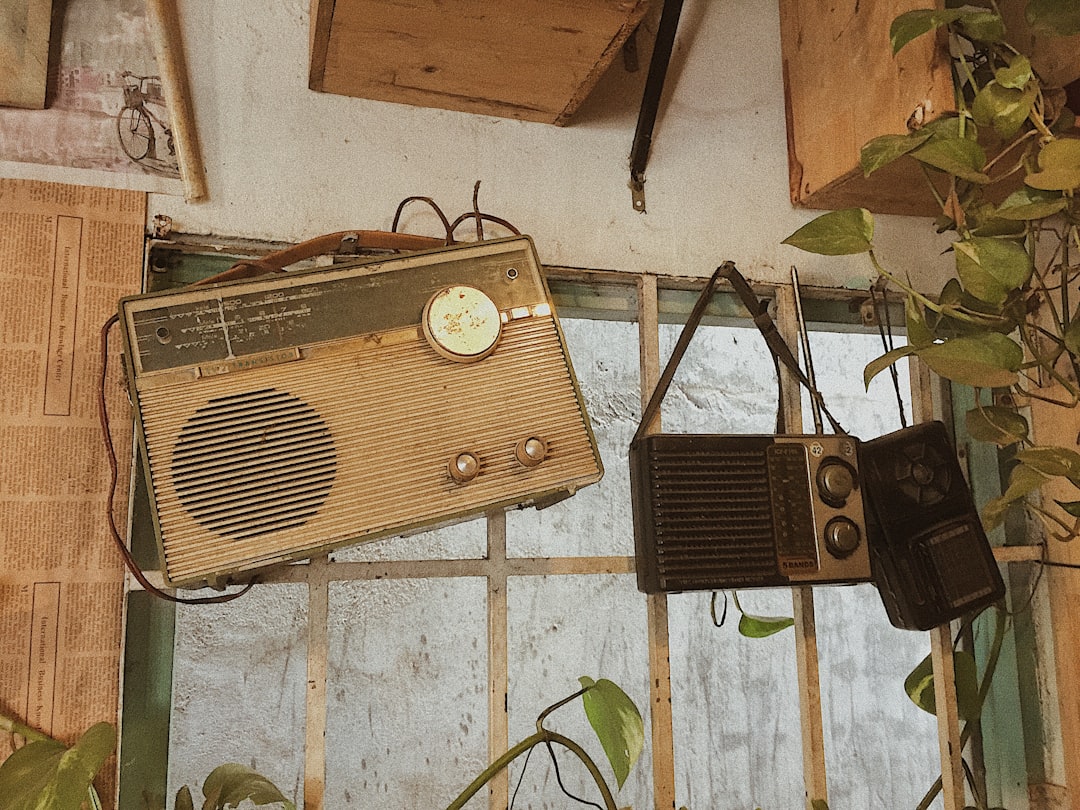
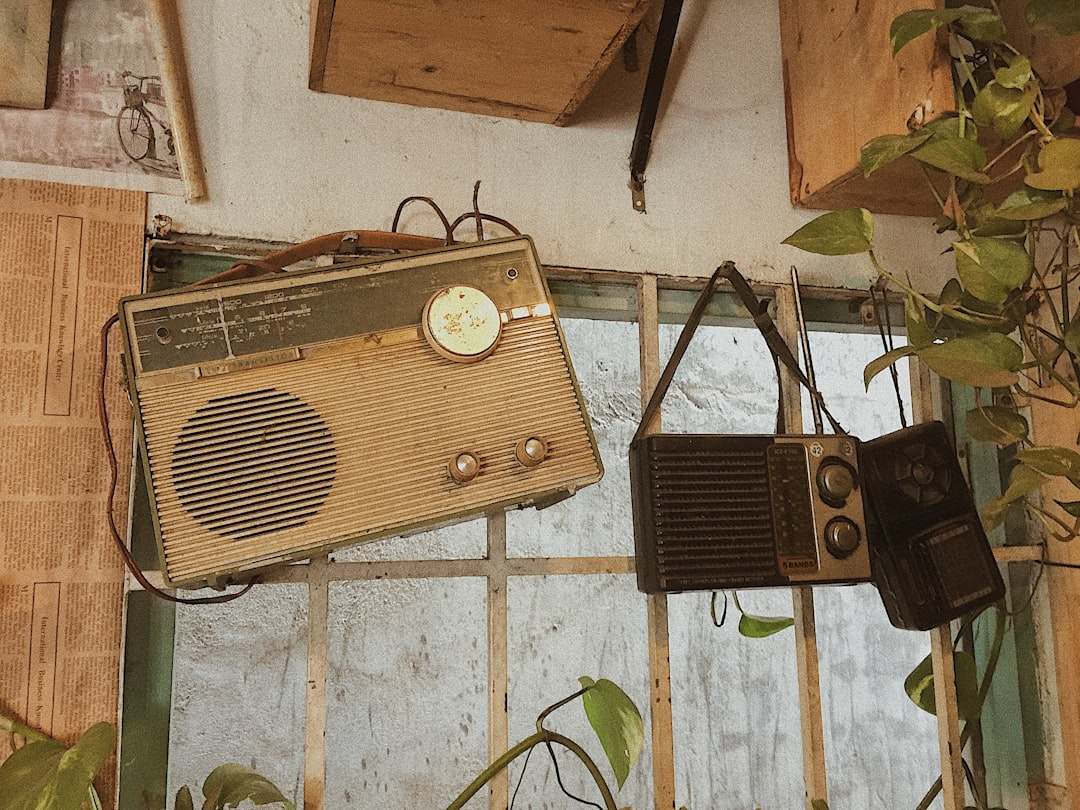
Some smartphones include built-in FM radio chips that work without internet connectivity. Apps like NextRadio (discontinued but available on some older devices) or manufacturer-specific radio apps let you listen to stations broadcasting oldies formats completely offline.
While you can’t choose specific songs, oldies radio stations often play a rotating selection of classics from the 50s through 80s. Some apps include recording features that let you capture broadcasts for later playback, though legal restrictions on radio recording vary by location.
📻 Alternative Sources for Classic Music Without Internet
Looking beyond mainstream apps reveals numerous creative solutions for building an offline music collection focused on vintage tracks.
Library Digital Collections
Many public libraries offer digital media lending through platforms like Hoopla or Freegal. These services let library cardholders download or stream music legally without additional cost. Classical and jazz selections are particularly robust, with many recordings from the golden age of these genres.
Hoopla typically allows 5-10 downloads per month, depending on your library’s subscription. Downloaded items remain available for 7-21 days before automatically expiring, essentially providing rotating offline access to thousands of albums. Freegal often permits permanent downloads of a certain number of songs weekly.
CD Ripping from Thrift Stores and Libraries
Physical media still exists abundantly in thrift stores, garage sales, and library discard sections. Used CDs of classic albums often cost $1-3 each. Ripping these CDs to your computer using free software like Windows Media Player, iTunes, or the open-source Exact Audio Copy creates permanent digital copies for offline enjoyment.
Library CD collections can be borrowed and ripped (in many jurisdictions, this falls under personal backup provisions). A single weekend borrowing 10 CDs can yield 100-150 songs for your offline collection at zero cost beyond your existing library membership.
Community Music Sharing (Legal Considerations)
Some artists and estates explicitly permit free distribution of older recordings. Websites like Grateful Dead’s archive offer official bootleg concerts for free download. Many classical recordings performed by community orchestras are released under Creative Commons licenses.
SoundCloud and Bandcamp host numerous artists who offer free downloads of their work, including musicians who specialize in vintage styles or covers of classic songs. Following tags like #oldies, #vintage, or #classiccovers can reveal generous artists who love sharing their craft.
🎧 Maximizing Your Offline Listening Experience
Having the music is just the beginning. Optimizing how you organize, play, and enjoy your offline collection enhances the entire experience.
Best Offline Music Player Apps
VLC for Mobile plays virtually any audio format, supports advanced playlist creation, and includes equalizer settings perfect for enhancing older recordings that may have limited dynamic range. It’s completely free with no ads.
Poweramp (Android) offers one of the most powerful music playback experiences available, with a free trial and reasonable one-time purchase price. Its library organization tools excel at managing large collections of classic music, and the audio engine includes presets specifically designed for vintage recordings.
Evermusic (iOS) integrates with cloud storage services and provides offline playback with sophisticated playlist features. It’s particularly useful if you’re storing your music in Google Drive or Dropbox.
Creating Mood-Based Playlists
Organize your oldies into playlists that match activities and emotions rather than just chronological or genre categories. Consider creating collections like:
- Morning Revival: upbeat 60s pop and soul to start your day
- Road Trip Classics: driving songs from the 70s and 80s
- Rainy Day Jazz: smooth standards from the 40s and 50s
- Evening Wind-Down: soft rock and ballads from various decades
- Workout Retro: high-energy disco and rock hits
Smart playlists in apps like Poweramp or iTunes can automatically populate based on criteria like year range, play count, or ratings, keeping your collection fresh without manual effort.
Enhancing Sound Quality for Vintage Recordings
Many old recordings suffer from limited frequency ranges or unbalanced mixing by modern standards. Equalizer adjustments can dramatically improve listening experience:
For recordings from the 50s-60s, boost midrange frequencies (1kHz-4kHz) slightly to clarify vocals, and add gentle bass enhancement since early recordings often lack low-end presence.
For 70s-80s tracks, reduce excessive treble that was popular in mixing practices of those eras, and apply light compression to balance dynamics between quiet verses and loud choruses.
Most music player apps include preset equalizers labeled “Classical,” “Jazz,” or “Rock” that work well for vintage recordings in those genres. Experiment with these presets before creating custom settings.
🌟 Discovering New Old Music Without Internet
Building a static collection is just the start. Even without constant internet access, you can continue discovering classic tracks you’ve never heard before.
Offline Music Discovery Features
Before going offline, use streaming services’ discovery features to identify new-to-you classics. Spotify’s “Discover Weekly” and “Release Radar” can be set to focus on older music by training the algorithm—simply listen exclusively to vintage tracks for a week, and the recommendations will adjust accordingly. Download the suggested playlists during your online periods.
Deezer’s “Flow” feature learns your preferences and creates personalized mixes. Seed it with your favorite classic artists, then download the generated playlists for offline exploration. The service excels at connecting listeners with deep catalog material from decades past.
Community Recommendations and Offline Sharing
Music forums and Reddit communities like r/vintageobscura or r/ifyoulikeblank can point you toward forgotten classics. Take screenshots of recommended playlists or artist names while online, then use that list to guide your downloading during your next internet session.
Friends with complementary music tastes can exchange USB drives or SD cards containing legally acquired music collections. A simple file swap can introduce you to hundreds of tracks you’d never encounter otherwise, all without needing internet connectivity at the time of transfer.
💡 Staying Legal While Enjoying Free Offline Music
Respecting copyright while building your collection ensures you’re supporting artists and staying within legal boundaries. Understanding the landscape helps you make informed choices.
Understanding Public Domain Music
In most countries, recordings published before 1923 are in the public domain. In the United States, sound recordings weren’t protected by federal copyright until 1972, creating complex situations where compositions might be protected but specific recordings aren’t. European laws vary, with protection typically lasting 70 years from publication.
This means extensive catalogs of early jazz, blues, country, and classical music are legally free to download and enjoy. Resources like the Public Domain Music website catalog these recordings and provide direct download links.
Supporting Artists Through Legal Free Options
Many established artists release older catalog material for free as promotional tools for current work. Following official artist websites and social media occasionally reveals legitimate free download opportunities for classic albums.
Bandcamp Fridays waive platform fees, and some vintage-style artists offer their entire catalogs as “name your price” downloads, where $0 is acceptable. This supports musicians while building your legal offline library.
The Ethics of Personal Music Collections
Even when technically legal, consider the ethical implications of your downloading methods. If you genuinely love an artist’s work, buying at least some of their music—even classic albums available cheaply as used CDs—helps ensure music creation remains viable as a profession.
A balanced approach might involve downloading freely available or public domain recordings while occasionally purchasing music from living artists or estates that actively maintain catalogs. This supports the ecosystem that created the music you love while still allowing extensive free offline listening.
🚀 Future-Proofing Your Vintage Music Collection
Technology changes rapidly, but properly managed music collections can last decades with minimal maintenance.
Backup Strategies for Your Digital Library
Store copies in multiple locations: one on your phone for daily listening, one on a computer hard drive, and one in cloud storage or external drive. This “3-2-1 rule” (three copies, two different media types, one off-site) protects against device failure, theft, or corruption.
Verify your backups periodically by playing random files to ensure they haven’t become corrupted. Digital files can degrade over time on certain storage media, particularly lower-quality SD cards or aging hard drives.
Choosing Sustainable Audio Formats
MP3 and AAC formats have existed for decades and will likely remain playable for decades more. Avoid proprietary formats tied to specific services or apps that might disappear. Standard formats ensure your carefully curated collection remains accessible regardless of future technology shifts.
For archival purposes, consider keeping at least your favorite albums in lossless formats like FLAC or ALAC. Storage costs continue decreasing, and having high-quality sources means you can always create compressed versions later if needed, but not vice versa.
Enjoying classic music offline without cost is entirely achievable through legitimate means. By combining public domain resources, free streaming trials, library services, and smart organization strategies, you can build an extensive collection of vintage tracks that accompany you anywhere. The key lies in approaching this systematically—identify your favorite eras and genres, research legal sources, strategically use available tools, and maintain your library with proper organization and backups. Music from past decades deserves to be heard and cherished, and modern technology makes that possible without requiring constant connectivity or expensive subscriptions. Your personal oldies collection awaits.
