
Anúncios
Modern technology has transformed the way women track their fertility and detect early signs of pregnancy
Anúncios
Making the process more accessible and private than ever before.
Pregnancy apps have become essential tools for millions of women worldwide who want to monitor their reproductive health, track their menstrual cycles, and identify potential pregnancy symptoms.
These digital companions offer a convenient way to understand your body’s signals without the immediate need for a doctor’s visit or pharmacy test.
Anúncios
Whether you’re actively trying to conceive, curious about late period symptoms, or simply want to stay informed about your reproductive health
pregnancy detection apps provide valuable insights based on your personal data and symptoms.
Let’s explore how these apps work and which features make them truly helpful. 🤰
How Pregnancy Apps Actually Work
Pregnancy detection apps function primarily through data collection and pattern recognition. They’re not magic crystal balls, but rather sophisticated tracking systems that analyze information you provide about your menstrual cycle, symptoms, and physical changes.
Most apps work by monitoring your cycle length, ovulation windows, and fertile days. When you input data consistently over several months, the algorithm learns your unique patterns and can predict with increasing accuracy when your next period should arrive. If it doesn’t, the app alerts you to the possibility of pregnancy.
These applications typically track symptoms commonly associated with early pregnancy, including nausea, breast tenderness, fatigue, mood changes, and food aversions. By logging these symptoms, users create a comprehensive picture that helps determine whether pregnancy is likely.
The Science Behind Symptom Tracking
The effectiveness of these apps relies on understanding the hormonal changes that occur during early pregnancy. When conception happens, your body begins producing human chorionic gonadotropin (hCG), the hormone that pregnancy tests detect.
This hormone triggers various physical symptoms that many apps are designed to track. While no app can definitively confirm pregnancy without a medical test, they can identify patterns that strongly suggest conception has occurred.
Key Features to Look For in Pregnancy Detection Apps 📱
Not all pregnancy apps are created equal. The best ones combine multiple tracking features to provide the most accurate predictions and helpful information.
Period and Cycle Tracking
This foundational feature allows you to log the start and end dates of your menstrual periods. Over time, the app calculates your average cycle length and predicts when your next period should begin. Irregular cycles or missed periods are often the first indicators of possible pregnancy.
Ovulation Prediction
Understanding when you ovulate is crucial for conception. Apps calculate your fertile window based on your cycle data, helping you identify the days when pregnancy is most likely to occur if you’re sexually active.
Symptom Logging
Comprehensive symptom trackers let you record dozens of physical and emotional changes, including:
- Morning sickness or nausea
- Breast changes and tenderness
- Fatigue and sleep patterns
- Food cravings or aversions
- Mood swings and emotional changes
- Cramping or spotting
- Frequent urination
- Headaches or dizziness
Temperature Tracking
Basal body temperature (BBT) monitoring is a powerful tool for detecting pregnancy. Your temperature rises slightly after ovulation and remains elevated if conception occurs. Some advanced apps integrate with smart thermometers to automatically log this data.
Community Support and Forums
Many apps include social features where users can share experiences, ask questions, and find support from others on similar journeys. This community aspect can be invaluable during the uncertain waiting period.
Popular Apps for Pregnancy Detection
Several apps have established themselves as leaders in the fertility and pregnancy tracking space, each with unique strengths and features.
Pregnancy + App
This comprehensive application offers week-by-week pregnancy information, symptom tracking, and early pregnancy indicators. It’s particularly useful for women who are already pregnant but also includes features for those trying to conceive or wondering if they might be expecting.

The app provides detailed information about fetal development, nutrition guides, and appointment trackers. Its intuitive interface makes logging symptoms and tracking changes remarkably simple, even for first-time users.
Flo Period & Ovulation Tracker
Flo has gained massive popularity for its AI-powered predictions and comprehensive health tracking. The app learns from millions of users’ data to provide increasingly accurate cycle predictions and pregnancy probability assessments.
Clue Period Tracker
Known for its scientific approach and clean design, Clue focuses on data privacy and evidence-based information. It tracks over 30 different cycle-related factors and provides detailed insights into your reproductive health patterns.
Understanding the Limitations 🔍
While pregnancy apps are incredibly useful tools, it’s essential to understand what they can and cannot do. No smartphone application can replace a medical-grade pregnancy test or professional healthcare advice.
Apps provide probability assessments based on the data you enter, but they cannot detect the hCG hormone that confirms pregnancy. They’re best used as preliminary screening tools that help you decide when to take a proper pregnancy test.
Accuracy Depends on Consistent Data Entry
The reliability of any pregnancy app directly correlates with how consistently and accurately you input information. Sporadic logging or incomplete data entry will significantly reduce the app’s predictive capabilities.
Individual Variations Matter
Every woman’s body is different. What constitutes normal for one person might be unusual for another. Apps use generalized algorithms that may not perfectly match your unique physiology, especially if you have irregular cycles or underlying health conditions.
When to Take a Pregnancy Test
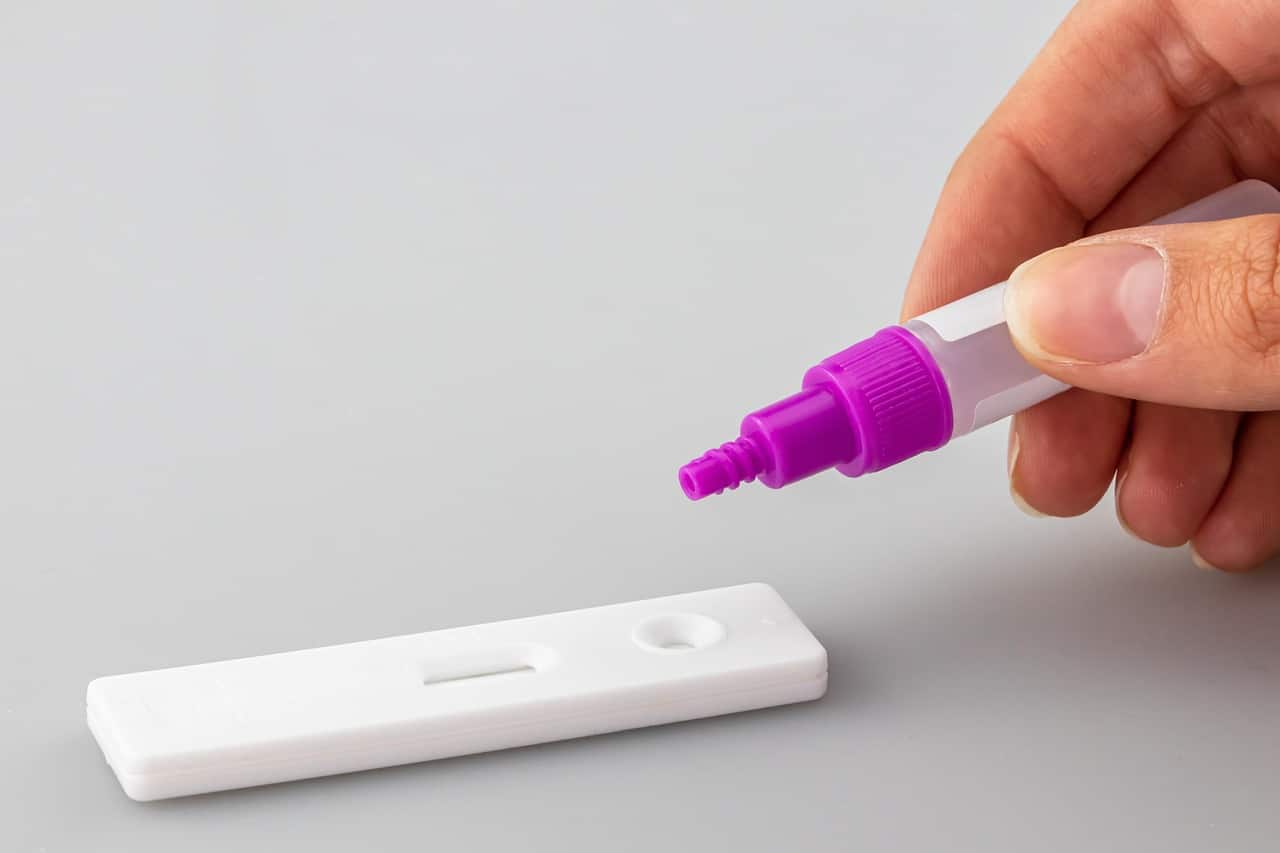
Apps can indicate when you should take a pregnancy test for the most accurate results. Generally, home pregnancy tests are most reliable when taken after your missed period, though some sensitive tests can detect pregnancy a few days earlier.
Morning urine contains the highest concentration of hCG, making it the ideal time for testing. If you get a negative result but your period still doesn’t arrive and symptoms continue, wait a few days and test again or consult your healthcare provider.
Types of Pregnancy Tests
Understanding the different testing options helps you make informed decisions:
- Home urine tests: Available at pharmacies, these detect hCG in urine and are about 99% accurate when used correctly after a missed period
- Blood tests: Ordered by doctors, these can detect pregnancy earlier and measure exact hCG levels
- Clinical urine tests: Similar to home tests but performed in medical settings
Privacy and Data Security Considerations 🔒
When choosing a pregnancy or fertility tracking app, privacy should be a top concern. These applications collect highly sensitive personal health information that you want protected.
Research the app’s privacy policy before downloading. Look for apps that encrypt your data, don’t sell information to third parties, and allow you to delete your account and data completely if desired.
Some apps have faced criticism for sharing user data with advertisers or other companies without adequate consent. Reading reviews and checking independent privacy assessments can help you choose trustworthy options.
Combining Apps with Other Methods
For the most comprehensive approach to detecting pregnancy and tracking fertility, consider using apps alongside other methods.
Physical Symptom Awareness
Pay attention to your body’s signals beyond what you log in the app. Subtle changes in energy levels, skin appearance, digestion, or emotional state can all provide clues about your reproductive status.
Regular Healthcare Checkups
Apps complement but don’t replace professional medical care. Regular gynecological examinations help ensure your reproductive health and provide expert guidance when you’re trying to conceive or suspect pregnancy.
Partner Communication
If you’re in a relationship, sharing information from your tracking app with your partner can facilitate important conversations about family planning, conception efforts, and pregnancy possibilities.
The Emotional Journey of Wondering If You’re Pregnant 💭
The period between suspecting pregnancy and confirming it can be emotionally intense, whether you’re hoping for a positive result or worried about an unplanned pregnancy.
Pregnancy apps can provide comfort during this uncertain time by helping you feel more in control and informed. The ability to track symptoms and see patterns can reduce anxiety and help you make decisions about when to test and who to talk to.
Managing Expectations
It’s important to approach app predictions with balanced expectations. Getting too invested in daily symptom interpretations can increase stress. Remember that many early pregnancy symptoms overlap with premenstrual syndrome (PMS), making definitive conclusions difficult without testing.
Beyond Detection: Apps for Confirmed Pregnancy
Once pregnancy is confirmed, many of these same apps transition into comprehensive pregnancy companions, offering week-by-week development information, appointment scheduling, symptom tracking throughout trimesters, and preparation for birth and postpartum.
This continuity makes starting with a good tracking app even more valuable, as you won’t need to switch platforms or re-enter information once you confirm your pregnancy.
Postpartum Tracking Features
The best pregnancy apps extend their usefulness into the postpartum period, helping you track recovery, breastfeeding, baby’s growth, and your return to normal cycles.
Making the Most of Your Pregnancy App Experience ✨
To maximize the benefits of using a pregnancy detection app, establish consistent habits and realistic expectations.
Set daily reminders to log symptoms and cycle information. The more data you provide, the smarter the app becomes at recognizing your personal patterns. However, avoid obsessive checking, which can increase anxiety rather than reduce it.
Use the educational resources many apps provide to learn about reproductive health, fertility, and early pregnancy. Knowledge empowers you to make informed decisions and understand what’s happening in your body.
Customizing Your Experience
Most apps allow extensive customization. Turn off notifications that feel overwhelming, focus on the metrics most relevant to you, and adjust privacy settings to your comfort level.
The Future of Pregnancy Detection Technology
Technology continues advancing rapidly in the reproductive health space. Future apps may integrate with wearable devices that monitor hormonal changes, advanced AI that provides even more personalized predictions, and telemedicine features that connect you directly with healthcare providers.
Some companies are developing biosensors that could detect hormonal changes associated with pregnancy even earlier than current tests. When combined with sophisticated apps, these innovations could revolutionize how women discover and monitor pregnancy.
Taking the Next Steps Forward
Whether your pregnancy app indicates a high probability of conception or you’re simply experiencing unusual symptoms, the next steps remain consistent: take a proper pregnancy test when appropriate, consult with a healthcare provider for confirmation and guidance, and take care of your physical and emotional wellbeing during this potentially transformative time.
Apps serve as helpful preliminary tools, but they work best as part of a comprehensive approach to reproductive health that includes medical care, self-awareness, and informed decision-making.
Remember that regardless of what any app suggests, you know your body best. Trust your instincts, use technology as a supportive tool rather than a definitive answer, and don’t hesitate to seek professional guidance when you need clarity or reassurance. Your reproductive health journey is personal and important, and the right combination of technology and healthcare support can make it more manageable and empowering.
