
Anúncios
Zumba has revolutionized the fitness world by transforming exercise into a vibrant dance party that burns calories while boosting mood and energy levels.
Born in the 1990s from a happy accident during a Colombian aerobics class, Zumba has grown into a global phenomenon practiced by millions across more than 180 countries. This Latin-inspired dance workout combines infectious rhythms with easy-to-follow choreography, creating an experience that feels less like traditional exercise and more like a celebration.
Whether you’re a seasoned dancer or someone with two left feet, Zumba offers an inclusive environment where movement, music, and community come together. The beauty of this workout lies in its simplicity: you don’t need prior dance experience, expensive equipment, or even perfect coordination to reap the incredible physical and mental benefits.
🎵 The Origins and Evolution of Zumba
The Zumba story began in Cali, Colombia, during the mid-1990s when fitness instructor Alberto “Beto” Pérez forgot his traditional aerobics music for a class. Improvising with Latin music tapes from his backpack, he created an impromptu fusion of salsa, merengue, and reggaeton moves that students absolutely loved.
This serendipitous moment sparked what would become a worldwide fitness revolution. Beto brought his innovative concept to Miami in 1999, where he partnered with entrepreneurs Alberto Perlman and Alberto Aghion to formally launch the Zumba brand. The program quickly gained traction, spreading across gyms, community centers, and living rooms globally.
Today, Zumba has evolved far beyond its original format. The brand now offers specialized programs including Zumba Toning, Aqua Zumba, Zumba Kids, Zumba Gold for older adults, and even Zumba in the Circuit for high-intensity training. This diversification ensures that virtually anyone, regardless of age or fitness level, can find a Zumba style that suits their needs.
💪 Physical Benefits That Go Beyond Calorie Burning
While the calorie-torching aspect of Zumba is often highlighted—with participants burning between 400 to 600 calories per hour—the physical benefits extend much deeper than simple weight management.
Cardiovascular Health Enhancement
The continuous movement and interval-style training inherent in Zumba classes provide excellent cardiovascular conditioning. The alternating rhythms between fast-paced salsa sections and slower bachata moments naturally create interval training, which has been shown to improve heart health, lower blood pressure, and increase overall endurance.
Full-Body Toning and Strength
Unlike some cardio exercises that focus primarily on lower body, Zumba engages multiple muscle groups simultaneously. The dance moves incorporate:
- Core engagement through twisting and hip movements
- Arm toning from constant upper body choreography
- Leg strengthening through squats, lunges, and jumping movements
- Glute activation from Latin dance hip isolations
- Balance improvement through single-leg movements and weight shifts
Flexibility and Coordination Development
The varied movement patterns in Zumba naturally improve flexibility over time. The stretching inherent in dance moves, combined with the repetitive practice of coordination-challenging choreography, enhances both physical flexibility and neuromuscular coordination. Many participants report improved balance and body awareness after consistent Zumba practice.
🧠 Mental and Emotional Wellness Advantages
Perhaps one of Zumba’s most underrated benefits is its profound impact on mental health and emotional well-being. The combination of music, movement, and community creates a unique therapeutic environment.
The rhythmic nature of dance has been scientifically linked to dopamine and endorphin release—the brain’s natural “feel-good” chemicals. Many Zumba enthusiasts describe their classes as stress-relief sessions where daily worries fade away, replaced by pure presence in the moment. This mindfulness aspect, combined with the social connection found in group classes, creates a powerful antidote to modern stress and anxiety.
Studies have shown that dance-based exercise programs like Zumba can reduce symptoms of depression, improve self-esteem, and enhance overall quality of life. The non-judgmental atmosphere where mistakes are celebrated rather than criticized creates a psychologically safe space for personal expression and growth.

🎶 Musical Diversity: The Soundtrack of Your Workout
One of Zumba’s defining characteristics is its eclectic musical foundation. While rooted in Latin rhythms, modern Zumba classes incorporate global sounds that keep workouts fresh and exciting.
Traditional Latin genres form the core, including salsa, merengue, cumbia, reggaeton, and bachata. However, instructors frequently blend in Bollywood beats, African rhythms, hip-hop, pop, and electronic dance music. This musical variety ensures that every class feels different and appeals to diverse cultural backgrounds and personal preferences.
The strategic use of music tempo also serves a physiological purpose. Instructors carefully sequence songs to create natural warm-up periods, peak intensity moments, and cool-down phases that align with best practices in exercise science.
👥 Building Community Through Movement
Beyond the individual physical and mental benefits, Zumba creates powerful social connections. The group class format fosters a sense of community that many participants cite as their primary motivation for continued attendance.
Unlike competitive fitness environments, Zumba classes celebrate collective energy rather than individual performance. The “party” atmosphere removes typical gym intimidation factors, making it particularly accessible to fitness newcomers or those who previously felt excluded from traditional exercise spaces.
Many studios and instructors cultivate this community aspect through social media groups, outside events, and themed classes that strengthen bonds between participants. These connections often extend beyond the studio, creating lasting friendships and support networks.
🏠 Making Zumba Work for Your Lifestyle
One of Zumba’s greatest strengths is its adaptability to various lifestyles, schedules, and preferences. You don’t need to commit to expensive gym memberships or rigid schedules to experience its benefits.
In-Studio Classes
Traditional studio classes offer the full Zumba experience with live instruction, community energy, and professional guidance. Most gyms and dedicated Zumba studios offer multiple class times throughout the week, accommodating various schedules. The live instructor can provide modifications, motivation, and ensure proper form.
Virtual and At-Home Options
The digital revolution has made Zumba more accessible than ever. Official Zumba apps, YouTube channels, and streaming platforms offer on-demand classes that can be done from your living room. This option provides ultimate flexibility for those with unpredictable schedules, childcare responsibilities, or location limitations.
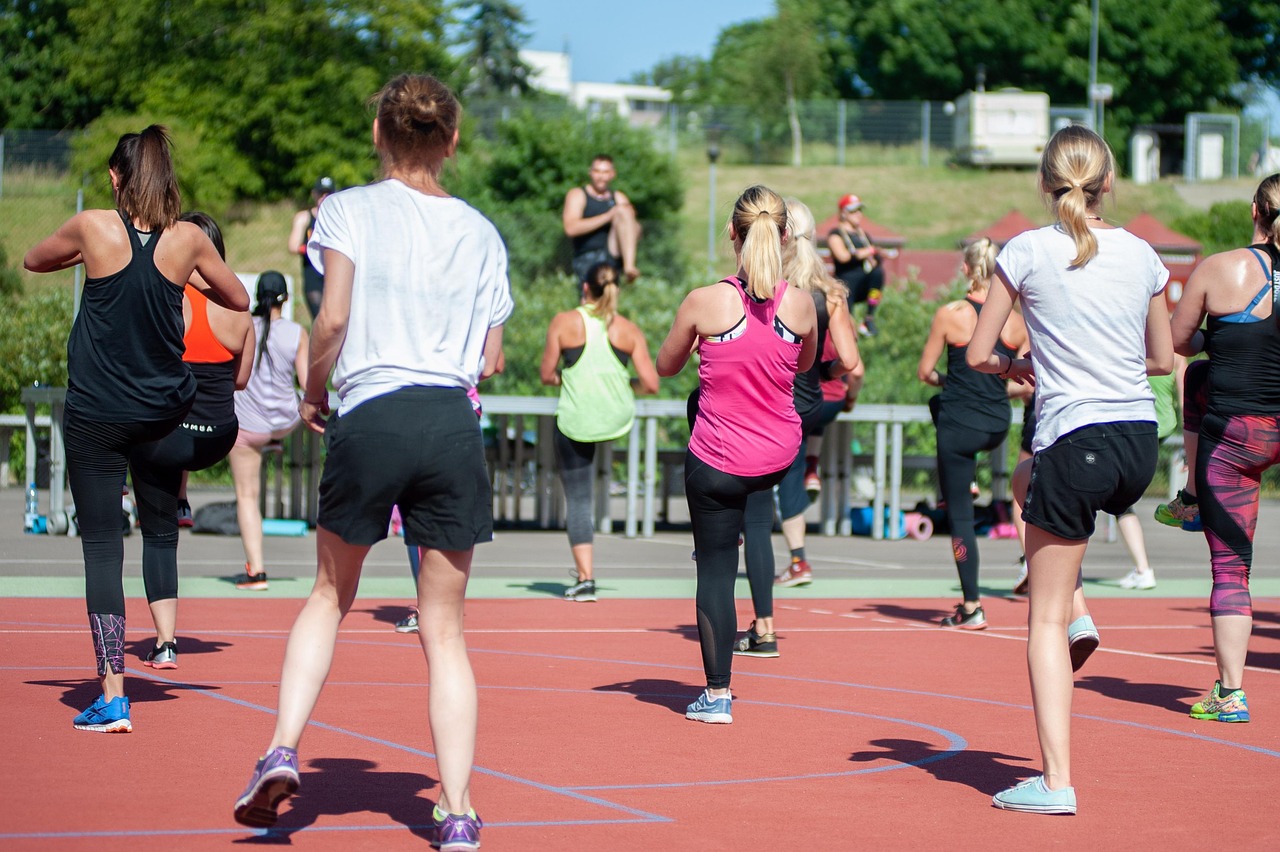
Outdoor and Event-Based Zumba
Many communities organize outdoor Zumba sessions in parks, beaches, or public spaces. These free or low-cost options combine fresh air with fitness, often attracting large, energetic crowds. Special events like Zumbathons—marathon-style charity classes—add a philanthropic dimension to the workout experience.
👶 Zumba for Every Age and Ability Level
The Zumba brand has intentionally developed programs targeting different demographics, ensuring inclusivity across the lifespan.
Zumba Kids and Zumba Kids Jr. introduce children ages 4-12 to healthy movement habits through age-appropriate choreography and music. These classes emphasize fun and creativity while developing coordination and fitness foundations.
Zumba Gold caters to older adults and those new to exercise, featuring modified movements, lower intensity, and a focus on balance and range of motion. This variation proves that high-impact jumping isn’t necessary to gain significant health benefits from dance-based exercise.
For prenatal and postnatal fitness, specialized Zumba instructors offer modifications that safely accommodate pregnancy and postpartum recovery. These classes provide crucial social support during major life transitions while maintaining physical health.
🎯 Getting Started: Your First Zumba Class
If you’re intrigued but hesitant about trying Zumba, a few simple steps can ease your first-class anxiety and set you up for success.
First, choose appropriate attire: comfortable athletic clothing that allows full range of motion and supportive cross-training or dance shoes (many participants prefer shoes with pivot points). Hydration is crucial, so bring a water bottle.
Arrive early to introduce yourself to the instructor and mention you’re new. Most instructors will offer guidance and ensure you’re positioned where you can see demonstrations clearly. Remember that everyone was once a beginner—the Zumba community universally welcomes newcomers.
During class, focus on the basic rhythm and footwork rather than perfecting every arm movement. The motto “ditch the workout, join the party” means mistakes are part of the fun. Don’t worry about looking silly; everyone is too focused on their own movement to judge yours.
📊 Comparing Zumba to Other Workout Formats
| Workout Type | Calorie Burn (per hour) | Social Component | Learning Curve | Joint Impact |
|---|---|---|---|---|
| Zumba | 400-600 | High | Low | Moderate |
| Running | 600-800 | Low | Low | High |
| Spinning | 400-600 | Moderate | Low | Low |
| CrossFit | 500-700 | High | High | High |
| Yoga | 200-400 | Moderate | Moderate | Low |
This comparison illustrates Zumba’s unique position: delivering significant calorie burn with moderate joint impact, minimal learning requirements, and exceptional social benefits. This combination explains why retention rates for Zumba tend to be higher than many traditional exercise programs.
🌟 Maximizing Your Zumba Results
While Zumba is effective as a standalone workout, certain strategies can amplify your results and overall experience.
Consistency matters more than intensity for long-term benefits. Attending two to three classes weekly creates noticeable improvements in fitness, coordination, and energy levels within a month. Combining Zumba with strength training on alternate days provides comprehensive fitness development.
Nutritional support amplifies results. Since Zumba burns significant calories, proper fuel before and after class optimizes performance and recovery. A light carbohydrate-protein snack about an hour before class provides energy, while post-workout nutrition supports muscle recovery.
Setting personal goals beyond weight loss—such as mastering specific dance moves, attending a certain number of classes monthly, or participating in a Zumbathon—maintains motivation and celebrates progress in multiple dimensions.
💡 The Science Behind Why Zumba Works
Research increasingly validates what Zumba participants have intuitively known: dance-based exercise delivers unique physiological and psychological benefits that explain its exceptional adherence rates.
A study published in the Journal of Sports Science & Medicine found that Zumba meets exercise intensity recommendations for improving cardiovascular fitness. Participants maintained heart rates in the target zone for aerobic conditioning throughout most of a typical class.
Neurological research reveals that learning choreography creates new neural pathways, potentially supporting cognitive health and reducing dementia risk. The combination of physical movement with cognitive challenge (remembering sequences) provides dual benefits for brain health.
The social bonding facilitated by synchronized movement releases oxytocin, often called the “bonding hormone.” This chemical response explains why group fitness classes create stronger social connections than individual workouts, contributing to long-term adherence.
🌍 Global Cultural Impact and Inclusivity
Zumba’s expansion across 180+ countries demonstrates its cross-cultural appeal and adaptability. While maintaining Latin roots, local instructors worldwide incorporate regional music and movement styles, creating culturally relevant variations.
This cultural flexibility has made Zumba a vehicle for celebrating diversity in fitness spaces. Classes bring together people from various backgrounds, ages, body types, and fitness levels, challenging traditional fitness industry exclusivity. The emphasis on joy and expression over performance or appearance has made it particularly welcoming to populations often marginalized in conventional gyms.
The economic accessibility of Zumba—with many free community classes and affordable digital options—further extends its reach beyond typical boutique fitness demographics, truly democratizing access to effective, enjoyable exercise.
🔮 The Future of Dance Fitness
As technology evolves, Zumba continues adapting while maintaining its core philosophy. Virtual reality Zumba experiences, AI-powered personalized choreography, and interactive gaming integrations represent the cutting edge of dance fitness innovation.
The COVID-19 pandemic accelerated digital transformation, with virtual classes becoming mainstream rather than supplementary. This shift has made Zumba accessible to rural communities, people with mobility limitations, and those in countries without established Zumba infrastructure.
Environmental consciousness is also shaping the future, with outdoor classes and eco-friendly studios aligning with values of health-conscious consumers who see personal wellness and planetary wellness as interconnected.
✨ Transforming Exercise From Obligation to Celebration
Perhaps Zumba’s most significant contribution to fitness culture is reframing exercise from a chore to a celebration. By prioritizing enjoyment over punishment, community over competition, and expression over perfection, Zumba has helped millions develop sustainable, positive relationships with movement.
The program proves that effective exercise doesn’t require suffering, intimidation, or expensive equipment. Sometimes the best workout is simply moving your body to music you love, surrounded by people who support your journey, regardless of where you’re starting from.
For those still searching for a fitness routine that doesn’t feel like work, that brings genuine joy rather than dread, and that creates lasting lifestyle change rather than temporary results, Zumba offers a refreshing alternative. It’s not just about the calories burned during the hour-long class—it’s about the energy, confidence, and vitality you carry into the rest of your life.
Whether you’re dancing in a packed studio, following along in your living room, or joining hundreds in a park, Zumba reminds us that movement is celebration, exercise is joy, and fitness is for every body. The question isn’t whether you can dance—it’s whether you’re ready to let the music move you and discover what your body can do when you give it permission to play. 💃🎉
