
Anúncios
With the rise of 5G technology, many users are searching for ways to access faster mobile internet speeds without extra costs.
While there’s no magic app that provides true 5G connectivity for free, understanding how to optimize your device and network settings can help you make the most of available technology.
Anúncios
The promise of 5G speeds has captivated smartphone users worldwide, offering download rates that can reach up to 10 gigabits per second.
However, accessing this technology depends on multiple factors including your device compatibility, carrier support, and geographic location.
Many applications claim to unlock 5G capabilities, but it’s essential to understand what they actually do versus what marketing materials suggest.
Anúncios
This comprehensive guide explores the reality behind 5G connectivity apps, how network optimization tools work, and practical steps you can take to improve your mobile internet experience.
We’ll separate fact from fiction and provide actionable insights to help you maximize your smartphone’s network performance. 📱


Understanding What 5G Really Means for Your Device
Before downloading any application promising 5G access, it’s crucial to understand the fundamental requirements for 5G connectivity. The fifth generation of wireless technology represents a significant leap from 4G LTE, but it requires specific hardware components built into your smartphone.
Your device needs a 5G-compatible modem and antenna system to receive and process 5G signals. No software application can add these physical components to older phones. Apps that claim to “enable 5G” are typically network optimization tools that help your phone better utilize whatever connection is available, whether that’s 3G, 4G, or actual 5G.
Additionally, your mobile carrier must offer 5G service in your area, and you need a plan that includes 5G access. Even with a 5G-capable phone, you won’t connect to 5G networks without proper carrier support and coverage. 🌐
How Network Optimization Apps Actually Work
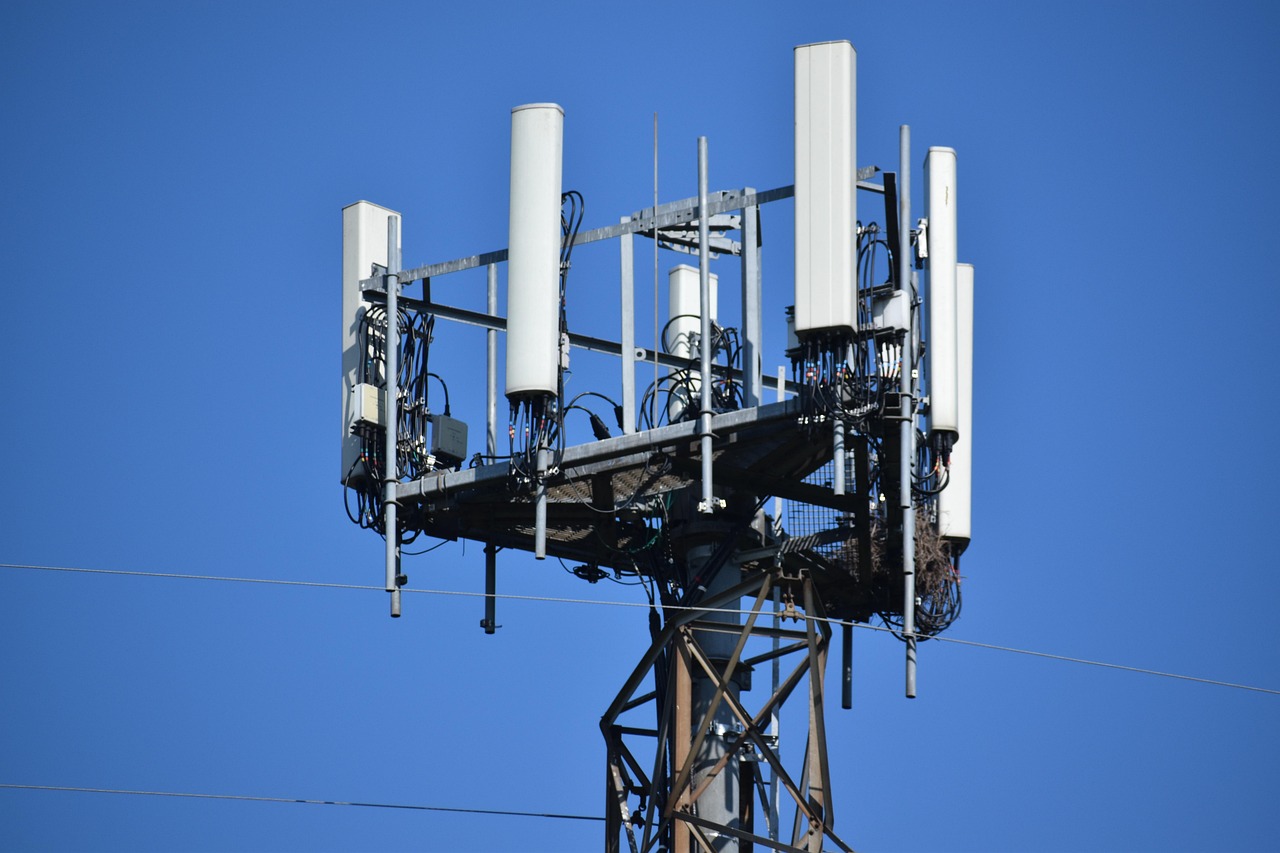
Applications designed to improve mobile connectivity function by adjusting your phone’s network settings and preferences. These tools can force your device to prioritize certain network types, clear cached network data, and refresh your connection to nearby cell towers.
Network switcher apps allow users to manually select preferred network modes. For example, if your phone is switching between 4G and 3G unnecessarily, these apps can lock it to 4G only, providing a more stable connection. This doesn’t create 5G where it doesn’t exist, but it can optimize your current network performance.
Some applications also provide diagnostic information about your current connection, including signal strength, network type, frequency bands, and tower information. This data helps you understand whether connectivity issues stem from device settings, carrier problems, or physical obstacles.
The Role of Speed Test Applications 📊
Speed testing apps serve a different but complementary purpose. They measure your actual download and upload speeds, latency, and connection stability. These metrics help you determine whether you’re truly connected to a 5G network and how it performs compared to 4G.
Quality speed test applications can identify if you’re receiving the speeds your carrier advertises. If you’re paying for 5G service but consistently getting 4G speeds, this information can support conversations with your mobile provider about coverage or account settings.
Legitimate Ways to Access 5G Without Additional Costs
While you can’t get 5G hardware capabilities through an app, there are legitimate strategies to access 5G connectivity without paying extra fees beyond your standard data plan.
First, verify that your current device supports 5G technology. Many smartphones manufactured after 2020 include 5G modems, though this varies by model and price point. Check your device specifications in the settings menu or manufacturer’s website.
Next, review your carrier plan details. Some mobile providers include 5G access in standard unlimited plans at no additional charge. You might already have 5G access without realizing it, simply needing to enable it in your network settings.

Enabling 5G in Your Phone Settings ⚙️
Most 5G-capable smartphones have network mode options that need proper configuration. Navigate to your network settings and look for mobile network options. You should see choices like “5G Auto,” “5G On,” or “LTE/5G.”
Selecting “5G Auto” allows your phone to intelligently switch between 4G and 5G based on availability and battery considerations. “5G On” forces your device to prioritize 5G connections whenever available, which may consume more battery but ensures maximum speeds in covered areas.
Popular Network Optimization Tools and Their Features
Several applications have gained popularity for helping users manage and optimize their mobile network connections. Understanding what each type offers can help you choose tools that genuinely benefit your connectivity experience.
Force LTE/5G mode apps allow advanced users to access hidden network settings on Android devices. These tools can lock your phone to specific network generations or bands, potentially improving stability in areas with inconsistent coverage. However, they require careful use to avoid disconnecting from networks entirely.
Network signal boosters analyze your current connection and provide recommendations for improving reception. They might suggest repositioning yourself, identifying sources of interference, or switching between Wi-Fi and cellular data strategically.
Data monitoring applications track your usage patterns and help you understand which apps consume the most bandwidth. This information becomes particularly valuable on 5G networks where faster speeds might lead to inadvertently using more data than intended.
What These Apps Cannot Do 🚫
It’s equally important to understand the limitations of network optimization tools. They cannot physically upgrade your phone’s hardware to support 5G if it wasn’t designed with that capability. No amount of software tweaking can add a 5G modem to a device that lacks one.
These applications also cannot expand your carrier’s 5G coverage area. If you’re in a location without 5G towers, no app will create that infrastructure. Similarly, they can’t override carrier restrictions if your plan doesn’t include 5G access.
Maximizing Your Current Network Performance
Regardless of whether you have access to 5G, several practical steps can significantly improve your mobile internet experience with your existing technology.
Regularly restart your device to clear temporary network caches and refresh connections. Many connectivity issues resolve simply by powering your phone off and on, allowing it to re-establish optimal connections with nearby towers.
Keep your operating system and carrier settings updated. Manufacturers and mobile providers frequently release updates that improve network performance, fix connectivity bugs, and optimize battery usage during data transmission.
Remove your SIM card and reinsert it carefully. Sometimes poor physical contact between the SIM and its slot can cause network issues. This simple maintenance step takes seconds but can resolve frustrating connection problems. 🔄
Understanding Network Congestion
Even on 5G networks, you might experience slower speeds during peak usage times. Network congestion occurs when many users in your area simultaneously access cellular data, dividing available bandwidth among all connected devices.
Apps claiming to “bypass” congestion are misleading. However, understanding when congestion typically occurs in your location can help you schedule data-intensive activities like downloads or streaming for off-peak hours when speeds naturally improve.
The Reality of Free 5G Access: Separating Marketing from Truth
Many advertisements promise “free 5G” through downloadable applications, but these claims require skeptical examination. True 5G connectivity depends on infrastructure, hardware, and service agreements that cannot be circumvented by software alone.
What these apps typically offer is optimization of existing connections, network information displays, or tools to help you identify genuine 5G coverage areas. While these features can be valuable, they’re fundamentally different from providing actual 5G connectivity where it didn’t exist before.
Some applications generate revenue through advertising or data collection rather than subscription fees, which is how they remain “free” to download. Always review app permissions carefully and understand what data you’re sharing in exchange for free services. 🔒
Protecting Your Privacy While Using Network Tools
Network optimization apps often request extensive permissions to function properly, including access to your location, phone state, and network information. While legitimate apps need some permissions to operate, be cautious of tools requesting access to unrelated features like contacts, camera, or storage.
Read user reviews and research developer credibility before installing any network-related application. Stick to well-established apps with transparent privacy policies and regular updates that address security concerns.
Future Developments in Mobile Connectivity Technology 🚀
The evolution of mobile networks continues beyond 5G, with researchers already developing 6G technology. Understanding this progression helps set realistic expectations about what current technology can deliver and what future innovations might bring.
As 5G infrastructure expands globally, coverage gaps will gradually close, making genuine 5G access more universally available. This expansion depends on telecommunications companies investing in tower upgrades and new installations, a process that takes years to complete comprehensively.
Device manufacturers are increasingly including 5G modems as standard features even in mid-range smartphones, making the technology more accessible without requiring flagship device purchases. This democratization of 5G hardware will naturally increase the number of users who can access these networks.
Making Informed Decisions About Network Apps and Services
When evaluating applications that promise improved connectivity or 5G access, approach with informed skepticism and realistic expectations. Look for tools that provide transparency about what they actually do rather than making impossible promises.
Prioritize apps with educational components that help you understand network technology, coverage maps, and optimization techniques. Knowledge empowers you to make better decisions about devices, carriers, and plans that genuinely meet your connectivity needs.
Consider starting with your carrier’s official app, which often includes network management tools, coverage maps, and account information. These official applications provide reliable functionality without the risks associated with third-party software of questionable origin. ✅
Evaluating Your Actual Connectivity Needs
Before pursuing 5G access, honestly assess whether you need those speeds for your typical smartphone usage. For many users, well-optimized 4G LTE provides perfectly adequate performance for streaming, browsing, and communication.
5G becomes particularly valuable for activities like downloading large files, streaming ultra-high-definition video, or using emerging technologies like augmented reality applications. If these use cases don’t describe your regular phone activities, optimizing your current connection might serve you better than pursuing 5G at any cost.
Taking Action: Your Next Steps for Better Mobile Connectivity 📲
Start by verifying your current device capabilities and carrier plan details. Confirm whether you already have access to 5G that simply needs activation in your settings. Many users discover they’ve had 5G capability all along without realizing it.
If your device doesn’t support 5G and you want that capability, research your next phone purchase carefully. Compare models that offer 5G within your budget, and check which frequency bands they support to ensure compatibility with your carrier’s network.
For immediate improvements with your current setup, try reputable network optimization tools that provide genuine diagnostic information and settings access. Use this data to make informed decisions about when to use cellular data versus Wi-Fi, which apps to restrict from background data usage, and whether your current carrier provides adequate coverage in the locations you frequent most.
Remember that technology serves your needs, not the other way around. Focus on practical improvements to your daily mobile experience rather than chasing specifications that might not materially impact how you actually use your device. Smart optimization of existing technology often delivers better real-world results than constantly pursuing the newest standards before infrastructure and pricing make them truly accessible.
