
Anúncios
Radio is back in style, and your smartphone might be the perfect device to tune in to your favorite FM and AM stations, no matter where you are.


Remember the days when portable radios were a must-have accessory? While streaming services dominate today’s audio landscape, traditional radio broadcasting continues to thrive. The convenience of carrying thousands of radio stations in your pocket has transformed how we consume local news, music, sports, and emergency information.
Anúncios
Whether you’re interested in accessing FM and AM radio through built-in hardware or specialized apps, understanding your options will help you stay connected to the timeless medium of radio broadcasting. Let’s explore everything you need to know about listening to radio on your mobile device.
📻 Understanding FM and AM Radio Technology
FM (Frequency Modulation) and AM (Amplitude Modulation) represent two distinct broadcasting technologies that have served listeners for decades. FM radio operates on higher frequencies, typically between 88 and 108 MHz, delivering superior sound quality with less interference. This makes FM the preferred choice for music stations and high-fidelity broadcasts.
AM radio, broadcasting on lower frequencies between 540 and 1700 kHz, travels much farther than FM signals, especially at night. While the audio quality isn’t as crisp, AM excels at delivering talk radio, news, and sports content across vast geographical areas. This extended range makes AM invaluable during emergencies when communication infrastructure might be compromised.
Anúncios
Modern smartphones can access both types of radio in two primary ways: through built-in FM tuner chips that receive actual broadcast signals, or via internet streaming apps that simulate the radio experience. Each method offers distinct advantages depending on your needs and circumstances.
🔌 The Hidden FM Chip in Your Smartphone
Many people don’t realize their smartphones contain dormant FM radio capabilities. Manufacturers often include FM receiver chips in mobile devices, but carriers and phone makers frequently disable this functionality through software restrictions. This practice has sparked considerable debate among consumer advocates and emergency preparedness experts.
The FM chip operates independently from your cellular data connection, requiring only a wired headphone connection to function as an antenna. This means you can listen to local radio stations without consuming mobile data or requiring an internet connection—a significant advantage during natural disasters or in areas with poor cellular coverage.
Brands like Samsung, LG, and Motorola have historically been more supportive of activating FM chips in their devices. If you own an Android phone, there’s a reasonable chance your device includes this hidden feature. iPhone users, however, face a different reality, as Apple has never activated FM functionality in any iPhone model, citing design and user experience considerations.
✅ How to Check If Your Phone Has FM Radio
Determining whether your smartphone supports FM radio reception requires a few simple checks. Start by searching your device’s app drawer for a pre-installed radio application—many manufacturers bundle proprietary FM radio apps with their devices. Look for apps simply labeled “Radio,” “FM Radio,” or similar names.
If you don’t find a dedicated app, download NextRadio or another FM-enabling application from the Google Play Store. These apps can detect whether your device contains an active FM chip and provide access to local stations if the hardware is present and unlocked.
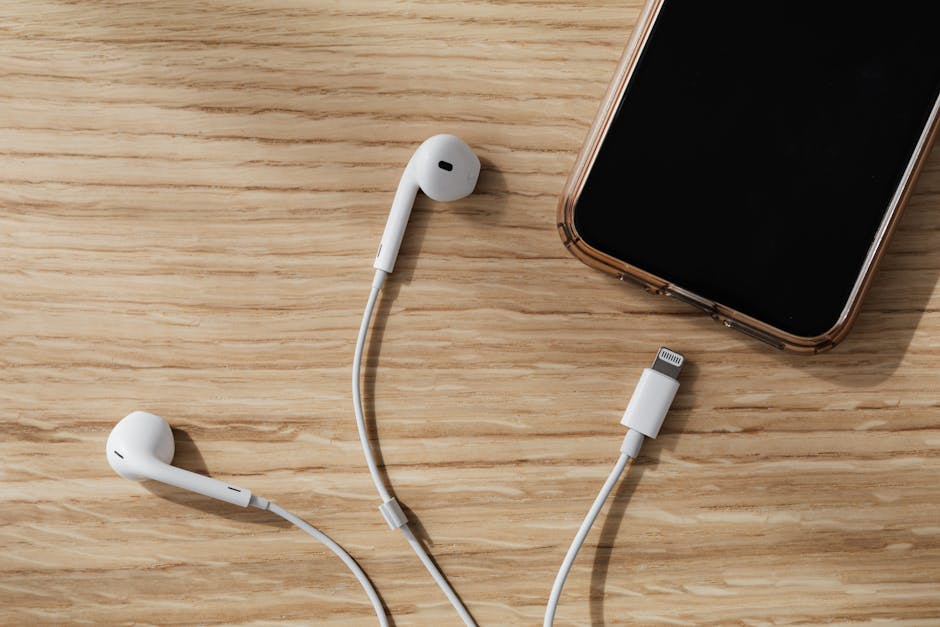
Another telltale sign involves your headphone jack. Devices with functional FM radio typically require wired headphones to operate, as the cable serves as the radio antenna. If your phone lacks a headphone jack entirely, it’s unlikely to support native FM reception, though internet-based radio apps will still work perfectly.
📱 Best Apps for FM and AM Radio Listening
Whether your device has an FM chip or not, numerous applications bring radio broadcasting to your fingertips. These apps fall into two categories: those that access your phone’s FM hardware and those that stream radio content over the internet.
Native FM Radio Apps
NextRadio pioneered the movement to activate dormant FM chips in smartphones. Though the service officially ended in 2019, similar apps have emerged to fill the gap. These applications provide access to local FM broadcasts without using data, displaying song information, station logos, and even allowing you to tag songs for later purchase.
Spirit FM is another excellent option for Android users, capable of detecting and activating FM functionality on compatible devices. The app features an intuitive interface with station scanning, favorites management, and sleep timer functions. Best of all, it works completely offline once you’ve tuned into a station.
Internet Streaming Radio Apps
For devices without FM capabilities or users wanting access to stations beyond their local area, streaming apps offer incredible variety. TuneIn Radio aggregates over 100,000 radio stations worldwide, including AM and FM broadcasts, podcasts, and specialized content. The app provides excellent search functionality, letting you discover stations by location, genre, or specific programs.
Radio Garden offers a unique, visually engaging way to explore global radio by spinning an interactive globe and clicking anywhere to hear local stations. This innovative interface transforms casual browsing into an adventure, connecting you with cultures and music from every corner of the planet.
iHeartRadio combines live radio streaming with podcast content and custom stations based on your musical preferences. The platform includes thousands of AM and FM stations from across the United States, making it particularly valuable for expatriates wanting to stay connected with hometown broadcasts.

🌐 Data Usage Considerations for Streaming Radio
While internet-based radio apps offer unmatched convenience and variety, they consume cellular data—a critical consideration for users with limited data plans. Understanding consumption patterns helps you make informed decisions about when and how to stream radio content.
Standard quality radio streaming typically uses between 40 and 70 MB per hour, depending on the bitrate and compression algorithm. High-quality streams can consume up to 120 MB hourly, while lower-quality options might use as little as 20-30 MB per hour. These numbers add up quickly for regular listeners commuting or working with radio in the background.
Fortunately, most streaming radio apps allow you to adjust quality settings to balance audio fidelity with data conservation. When connected to Wi-Fi networks, stream at maximum quality for the best listening experience. Switch to lower bitrates when using cellular data, reserving your monthly allowance for essential activities.
Native FM radio apps that access your phone’s hardware chip circumvent this issue entirely by receiving broadcast signals directly from radio towers. This zero-data approach makes FM radio an excellent option for budget-conscious users or those in areas with expensive or unreliable mobile data service.
🚨 Emergency Preparedness and Radio Access
Emergency management officials consistently emphasize the importance of radio access during natural disasters and crisis situations. When cellular networks become overloaded or damaged, traditional radio broadcasting often continues operating, providing vital information about evacuation routes, shelter locations, and weather updates.
The Federal Emergency Management Agency (FEMA) recommends that every household maintain battery-powered or hand-crank emergency radios. However, smartphones with activated FM chips serve as supplementary emergency communication tools, especially since most people keep their phones nearby at all times.
During hurricanes, earthquakes, wildfires, and other disasters, local AM and FM stations become lifelines for affected communities. They broadcast continuous updates, connect separated family members through announcements, and coordinate relief efforts. Having the ability to access these broadcasts through your smartphone without requiring internet connectivity could prove invaluable.
For this reason, consumer advocacy groups have pushed smartphone manufacturers and carriers to activate FM functionality on all devices. While progress has been made, particularly among Android manufacturers, universal access remains an ongoing goal within the telecommunications industry.
🎵 Sound Quality Comparison: FM vs Streaming
Audio enthusiasts often debate the relative merits of traditional FM broadcasts versus internet streaming. Each format presents distinct characteristics that appeal to different listeners and usage scenarios.
FM radio delivers uncompressed analog signals that many audiophiles describe as warmer and more natural-sounding than digital streams. However, FM is susceptible to interference from buildings, weather conditions, and distance from transmitters, which can introduce static and signal dropouts. Within optimal reception areas, FM provides excellent sound quality that rivals many streaming services.
Internet streaming, conversely, offers consistently clear audio quality regardless of your physical location, provided you maintain a stable data connection. Modern streaming codecs like AAC and Opus deliver impressive fidelity even at moderate bitrates. High-bitrate streams can exceed FM quality, though the difference is subtle for most listeners using standard headphones or smartphone speakers.
AM radio occupies a different category entirely. The format’s limited bandwidth restricts audio fidelity, making it unsuitable for music appreciation but perfectly adequate for spoken-word content. AM’s extended range and reliability offset its audio limitations, particularly for news, talk radio, and emergency broadcasts.
🌍 Global Radio Access Through Your Device
One of the most exciting aspects of radio apps is their ability to transport you anywhere in the world instantly. Want to practice your Spanish by listening to stations from Madrid? Curious about morning talk shows in Tokyo? Internet radio apps make this exploration effortless and engaging.
Regional stations offer authentic perspectives on local culture, music trends, news, and daily life that curated playlists simply cannot replicate. Travelers use radio apps to discover destinations before visiting, learning about local concerns, popular artists, and community events directly from residents’ conversations and music choices.
Language learners particularly benefit from radio access, as broadcasts provide natural speech patterns, current idioms, and cultural context that traditional language courses often lack. Tuning into news broadcasts, talk shows, and music stations in your target language accelerates comprehension and helps develop native-like listening skills.
This global accessibility represents a fundamental shift in radio’s role. What once served primarily as a local medium now functions as a window into worldwide cultures, connecting listeners across continents and time zones through shared audio experiences.
💡 Maximizing Battery Life While Listening
Radio listening, particularly through streaming apps, can drain your smartphone’s battery more quickly than many other activities. Implementing a few strategic adjustments helps extend playback time without sacrificing your listening enjoyment.
Using your device’s native FM chip consumes significantly less power than internet streaming since it doesn’t require maintaining active cellular or Wi-Fi connections. If your phone supports FM radio and you’re listening to local stations, this remains the most energy-efficient option available.
For streaming listeners, reducing screen brightness or turning off the display entirely makes a substantial difference. Most radio apps continue playing with the screen locked, allowing you to conserve the considerable energy that illuminating the display requires. Enable battery saver modes on your device, which limit background processes while maintaining audio playback functionality.
Downloading favorite shows or programs for offline listening through apps that offer this feature eliminates the constant data connection requirement. Though not applicable to live radio, podcast segments and recorded programs can be downloaded over Wi-Fi and enjoyed later without additional battery drain from networking components.
🎧 Enhancing Your Mobile Radio Experience
Simple accessories and settings adjustments can dramatically improve your radio listening experience on mobile devices. Investing in quality headphones or earbuds makes an immediate difference, particularly when listening to music-focused FM stations or high-bitrate streams.
Bluetooth speakers provide excellent sound for home or outdoor listening sessions, transforming your smartphone into a powerful radio receiver that fills rooms or outdoor spaces with audio. Many modern Bluetooth speakers offer impressive battery life and sound quality at affordable price points, making them worthy companions for your mobile radio adventures.
Explore your radio app’s settings thoroughly to discover hidden features. Many applications include equalizers, sleep timers, alarm functions, and recording capabilities that enhance usability. Some apps allow you to rewind live radio or access programs broadcast earlier in the day—features that bridge the gap between traditional radio and on-demand content.
Creating organized lists of favorite stations saves time and frustration when you want to jump between different programs or music genres. Most apps support multiple favorites lists, letting you categorize stations by mood, content type, or time of day you typically listen to them.
📊 The Future of Radio on Mobile Devices
Radio’s integration with mobile technology continues evolving as broadcasters adapt to changing listener habits and technological capabilities. Hybrid radio systems combine traditional broadcasting with internet connectivity, allowing stations to provide synchronized visual content, interactive features, and personalized experiences alongside their audio streams.
5G networks promise to enhance streaming radio quality while reducing latency and buffering issues that occasionally plague current mobile listening experiences. As data becomes faster and more affordable, the distinction between local broadcasts and streaming content may blur further, with listeners enjoying seamless access to both.
Podcasting’s explosive growth has prompted many traditional radio stations to embrace on-demand content models, making their programming available through apps long after initial broadcast. This evolution ensures radio remains relevant to younger audiences accustomed to consuming content on their own schedules rather than adhering to rigid programming timescales.
Despite these innovations, the fundamental appeal of radio—its immediacy, local relevance, and communal nature—endures. Whether through dedicated FM chips or sophisticated streaming platforms, radio broadcasting continues adapting to technological change while maintaining the essential characteristics that have made it indispensable for over a century.
🔍 Finding Stations That Match Your Interests
With thousands of stations available through mobile apps, discovering content aligned with your specific interests requires strategic searching and exploration. Most radio apps include robust filtering options that let you browse by genre, location, language, and popularity ratings.
Community radio stations often provide the most unique and engaging content, featuring local artists, specialized music genres, and hyper-local news coverage absent from corporate broadcasting networks. These stations create intimate connections between presenters and audiences, offering authentic personalities and curated programming that algorithms cannot replicate.
Sports enthusiasts should explore AM radio particularly, as many stations dedicate extensive programming to game broadcasts, analysis shows, and call-in discussions with fans. AM’s wide coverage area means you can often follow your favorite team’s broadcasts even when traveling far from home.
Public radio networks like NPR, BBC, and similar services worldwide offer exceptional news coverage, documentary programming, and cultural content through both traditional broadcasts and dedicated streaming apps. These stations typically maintain high production standards and editorial independence that distinguish them from commercial alternatives.
🎙️ Supporting Your Favorite Stations
As you explore mobile radio and discover stations you genuinely enjoy, consider supporting them financially or through engagement. Many independent and public radio stations rely partially or entirely on listener contributions to continue operating and producing quality content.
Streaming listeners sometimes forget that their mobile app usage doesn’t necessarily benefit the stations they’re hearing. Traditional advertising revenue depends on measurement systems that may not adequately capture streaming audiences, particularly for smaller stations. Direct financial support through memberships or donations ensures your favorite stations survive and thrive.
Engaging with stations through social media, attending sponsored events, and purchasing merchandise also provides valuable support beyond monetary contributions. Radio thrives on community connections, and active, engaged audiences help stations demonstrate their value to underwriters and sponsors who keep programming free for listeners.
Your mobile device has transformed radio from a stationary appliance into a portable companion that accompanies you throughout your day. Whether through native FM chips that connect directly to broadcast towers or sophisticated streaming apps that deliver global content, radio remains as vital and engaging as ever. Understanding your options, optimizing your setup, and exploring the incredible variety of available content ensures you’ll enjoy everything this timeless medium offers in its modern, mobile-friendly incarnation.
