
Anúncios
FM and AM radio on mobile devices has evolved significantly, transforming smartphones into powerful portable receivers that connect millions of listeners to their favorite stations worldwide.


The ability to tune into radio broadcasts directly from your smartphone represents one of the most practical features many users don’t even realize exists. Whether you’re commuting, working out, or simply relaxing at home, accessing live radio content has never been more convenient.
Anúncios
This comprehensive guide explores everything you need to know about FM and AM radio capabilities on mobile devices, from built-in hardware features to streaming alternatives, helping you maximize your listening experience regardless of your device or location.
📻 Understanding FM and AM Radio Technology on Smartphones
Most modern smartphones actually contain an FM radio chip built directly into their hardware. This chip is typically integrated into the same component that handles Bluetooth and Wi-Fi connections. Despite this hardware capability, many manufacturers disable this feature through software, preventing users from accessing traditional radio broadcasts without internet connectivity.
The distinction between FM (Frequency Modulation) and AM (Amplitude Modulation) remains important even in the digital age. FM radio offers superior sound quality and is less susceptible to interference, making it ideal for music and high-fidelity content. AM radio, while lower in audio quality, travels much farther distances and penetrates buildings more effectively, which explains its continued popularity for talk radio and news programming.
Anúncios
Hardware-based FM radio reception offers several advantages over streaming alternatives. It consumes significantly less battery power, doesn’t require an internet connection, and places no burden on your data plan. During emergencies when cellular networks become congested, FM radio provides a reliable source of critical information.
🔍 Which Smartphones Have Built-In Radio Receivers?
The availability of activated FM radio chips varies considerably across manufacturers and regions. Several Android device makers, particularly those producing budget and mid-range phones, include functional FM radio capabilities. Brands like Motorola, Samsung (in certain markets), LG, and HTC have historically supported this feature.
Apple’s iPhone lineup presents a different story. While earlier iPhone models contained FM radio chips, Apple has never enabled this functionality through iOS. The company’s strategy focuses on internet-based services like Apple Music and podcasts, leaving traditional radio reception inaccessible through native means.
To determine whether your specific device supports FM radio, check your phone’s specifications or look for a pre-installed radio app. Many manufacturers bundle their own radio applications that activate the FM chip. If no such app exists, third-party solutions may unlock this capability if the hardware supports it.
Regional Differences in Radio Availability
Geographic location significantly impacts FM radio availability on smartphones. Some countries mandate that manufacturers enable FM chips, recognizing radio’s importance for emergency communications. The United States, for instance, saw a successful campaign encouraging manufacturers to activate FM radio functionality, particularly following natural disasters that demonstrated radio’s resilience when other communication networks failed.
European and Asian markets show varied approaches, with some manufacturers offering radio-enabled versions only in specific countries. This fragmentation means that identical phone models sold in different regions may have different radio capabilities.
📱 Best Apps for Listening to FM and AM Radio
Radio applications fall into two distinct categories: those that access your phone’s hardware FM chip and those that stream radio content over the internet. Understanding this difference helps you choose the right solution for your needs.

Hardware-Based FM Radio Apps
NextRadio (now discontinued but still functional on some devices) pioneered the smartphone FM radio movement, combining traditional broadcast reception with interactive features. The app required wired headphones, which serve as the antenna for FM reception, while delivering station information and metadata through an internet connection.
Several manufacturer-specific apps provide straightforward FM radio functionality. These typically offer simple interfaces with station scanning, preset favorites, and basic playback controls. The minimalist approach ensures low resource consumption and reliable performance.
Internet-Based Radio Streaming Apps 🌐
When hardware FM radio isn’t available, streaming apps offer extensive alternatives. TuneIn Radio aggregates tens of thousands of stations worldwide, providing access to AM, FM, and internet-only broadcasts through a single interface. The platform includes sports, news, music, and talk radio from virtually every corner of the globe.
iHeartRadio focuses primarily on North American stations, offering both live broadcasts and on-demand content. The service integrates podcasts, custom stations, and exclusive programming alongside traditional radio streams.
Radio.com (now Audacy) provides another comprehensive platform featuring major market stations, sports coverage, and podcast content. The app emphasizes personalization, learning your preferences to recommend relevant stations and programs.
⚡ Advantages of Using Radio on Your Mobile Device
Mobile radio consumption offers unique benefits that complement modern streaming services. The immediacy of live broadcasting creates a sense of connection and community that on-demand content cannot replicate. Local radio stations provide region-specific information, from traffic updates to weather alerts, that generic streaming platforms cannot match.
Data efficiency represents another compelling advantage. Hardware FM radio consumes zero data, making it ideal for users with limited plans or those traveling internationally. Even streaming radio apps typically use far less bandwidth than music streaming services, consuming approximately 50-100MB per hour compared to 150-300MB for high-quality music streams.
Battery consumption also favors radio applications, particularly hardware-based FM. Traditional radio reception requires minimal processing power, allowing for extended listening sessions without significantly impacting battery life. Streaming apps, while more demanding, still generally consume less power than video or gaming applications.
Emergency Preparedness Benefits 🚨
Natural disasters and emergencies highlight radio’s critical importance. When cellular networks become overwhelmed or power outages disable internet infrastructure, FM radio continues broadcasting essential information. This resilience has prompted public safety advocates to encourage smartphone manufacturers to activate FM capabilities universally.
Emergency alert systems integrate seamlessly with radio broadcasts, ensuring rapid dissemination of urgent information. Whether facing hurricanes, earthquakes, or other crises, access to reliable broadcast information can prove literally life-saving.
🎧 Setting Up and Optimizing Your Radio Experience
Maximizing your mobile radio experience begins with understanding the technical requirements. For hardware FM radio, wired headphones are absolutely essential. The headphone cable functions as the antenna, capturing radio signals for the receiver chip. Wireless Bluetooth headphones cannot substitute for this critical component when using FM radio functionality.
Reception quality varies based on your physical location and environment. Urban areas with tall buildings may experience interference and signal blocking. Moving near windows or going outdoors typically improves reception. Radio waves also strengthen during evening hours due to atmospheric conditions that enhance signal propagation.
For streaming radio apps, a stable internet connection ensures uninterrupted listening. Wi-Fi provides the most reliable experience, but modern cellular networks offer sufficient bandwidth for smooth streaming. Consider downloading favorite stations or episodes when available, enabling offline listening that conserves data and ensures availability regardless of connectivity.
Customizing Your Radio App Settings
Most radio applications offer customization options that enhance usability. Sleep timers allow you to fall asleep listening without draining battery overnight. Alarm functions let favorite stations serve as your morning wake-up call. Preset favorites enable quick access to preferred stations without repetitive searching.
Audio quality settings deserve attention, particularly for streaming apps. Higher quality streams deliver better sound but consume more data and battery. Adjusting these settings based on your current situation—using lower quality on cellular networks and higher quality on Wi-Fi—optimizes the balance between audio fidelity and resource consumption.
🌍 Exploring Radio Content from Around the World
Mobile radio applications unlock unprecedented access to international broadcasting. Streaming platforms aggregate stations from virtually every country, allowing exploration of diverse musical traditions, languages, and cultural perspectives without leaving home.
BBC World Service exemplifies world-class international broadcasting, offering news, analysis, and cultural programming in multiple languages. Deutsche Welle, Radio France Internationale, and similar services provide authoritative journalism and unique content unavailable through domestic sources.
Music discovery through international radio exposes listeners to genres and artists they would never encounter through algorithm-driven streaming services. Brazilian bossa nova, French chanson, African highlife, and countless other musical traditions become accessible through dedicated specialty stations.
Language Learning Through Radio 📚
Radio broadcasts offer exceptional language learning opportunities. Listening to stations in your target language develops comprehension skills naturally through exposure to authentic spoken content. News broadcasts provide formal register examples, while talk shows demonstrate conversational patterns and contemporary vocabulary.
Many international stations specifically cater to language learners, offering simplified news broadcasts and educational programming. Radio Lingua Network, Deutsche Welle’s learning programs, and NHK World’s easy Japanese lessons exemplify this educational approach.
💡 Troubleshooting Common Radio Reception Issues
Poor FM reception frustrates many users attempting to access hardware radio features. The most common culprit involves inadequate antenna function. Ensure wired headphones are fully inserted and that the cable remains untangled and extended. Some devices require specific headphone types or adapters to function properly with FM radio.
Environmental factors significantly impact signal quality. Concrete buildings, underground locations, and areas distant from broadcast towers naturally experience weaker signals. Moving closer to windows or outdoors almost always improves reception quality.
For streaming radio issues, internet connectivity deserves first examination. Slow or unstable connections cause buffering and interruptions. Testing your connection speed and switching between Wi-Fi and cellular data often resolves streaming problems.
App-Specific Problems and Solutions
Application crashes or freezing typically indicate software conflicts or insufficient device resources. Closing background applications frees memory and processing power. Clearing the radio app’s cache through device settings resolves corruption issues. Ensuring your operating system and applications remain updated prevents compatibility problems.
Missing stations or incomplete listings may reflect geographic restrictions or licensing limitations. Some broadcasters restrict streaming to specific regions due to copyright considerations. VPN services can sometimes circumvent these restrictions, though users should respect broadcasters’ rights and terms of service.
🔮 The Future of Radio on Mobile Devices
Radio broadcasting continues evolving despite predictions of its obsolescence. DAB+ (Digital Audio Broadcasting) represents the next generation of terrestrial radio, offering CD-quality audio and additional data services. Some smartphones in European and Australian markets already support DAB+ reception, though widespread adoption remains limited.
5G networks enable enhanced streaming capabilities, reducing latency and improving quality for internet radio services. This technological advancement blurs the distinction between traditional broadcasting and streaming, enabling hybrid services that combine broadcast efficiency with internet interactivity.
Podcasting’s explosive growth demonstrates sustained demand for audio content, with many traditional radio programs simultaneously distributing episodes on-demand. This convergence creates flexible consumption patterns where listeners access content through whatever method suits their immediate circumstances.
🎵 Comparing Radio Apps with Music Streaming Services
Radio and music streaming services serve complementary rather than competing purposes. Streaming platforms like Spotify and Apple Music excel at personalized, on-demand listening, allowing users to construct perfect playlists and discover algorithmically recommended content.
Radio offers spontaneity and human curation that algorithms cannot replicate. Live DJs provide context, storytelling, and unexpected musical selections that create genuine discovery moments. Local programming connects listeners to their communities in ways that global streaming services cannot achieve.
Resource consumption differs significantly between these services. Radio, especially hardware FM, uses minimal battery and data. Even streaming radio consumes fewer resources than high-quality music streams. For users prioritizing efficiency or facing data limitations, radio provides practical advantages.
📡 Understanding Radio Licensing and Legal Considerations
Broadcasting regulations vary internationally, affecting what content reaches your mobile device. Radio stations must obtain licenses from government authorities, comply with content standards, and often face geographic restrictions on streaming distribution.
Copyright considerations impact which stations can stream internationally. Music royalty agreements typically cover only specific territories, preventing stations from offering worldwide streaming access despite technical capabilities. This explains why some favorite stations become unavailable when traveling abroad.
Users should respect these legal frameworks rather than circumventing geographic restrictions through technical means. Supporting broadcasters by listening through authorized channels ensures their continued operation and content creation.
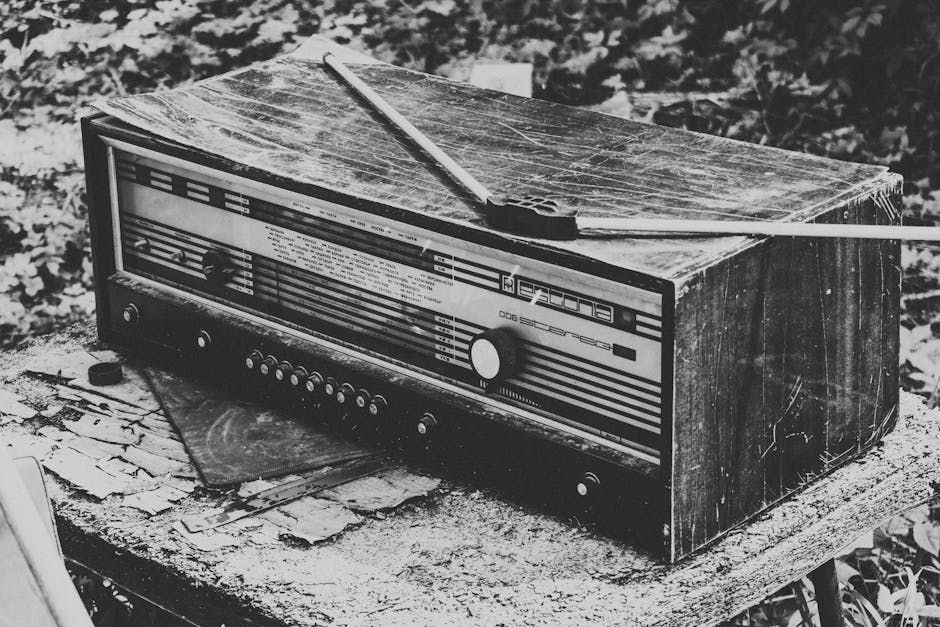
🌟 Making Radio Part of Your Daily Routine
Integrating radio into daily life enriches routines with information and entertainment. Morning news programs provide context for the day ahead while breakfast routines unfold. Commute listening transforms travel time into productive or entertaining experiences rather than wasted intervals.
Background radio during work hours creates ambient sound that many find conducive to productivity. Classical music stations, jazz broadcasts, or instrumental channels provide non-distracting audio environments that enhance focus for many listeners.
Evening programming offers relaxation and wind-down content that complements bedtime routines. Story-based shows, gentle music programs, or long-form interviews provide engaging yet calming content that transitions listeners toward rest.
Mobile radio technology bridges traditional broadcasting with modern convenience, offering diverse content accessible anywhere. Whether through hardware FM chips or internet streaming, your smartphone provides gateway access to local voices and global perspectives. This powerful capability deserves exploration, promising enriched listening experiences that complement existing entertainment options while preserving radio’s unique strengths of immediacy, community connection, and serendipitous discovery.
