
Anúncios
Learning to read and write opens doors to endless opportunities, empowering individuals to communicate effectively, access knowledge, and participate fully in modern society.
Whether you’re a parent guiding your child through their first words, an adult seeking to improve literacy skills, or an educator looking for effective teaching methods, mastering reading and writing is a journey worth taking.
Anúncios
These fundamental skills form the backbone of education and personal development, influencing everything from career prospects to everyday decision-making.
The process of acquiring literacy involves understanding phonetics, building vocabulary, practicing comprehension, and developing fine motor skills for writing.


With the right approach, resources, and consistent practice, anyone can develop strong reading and writing abilities that will serve them throughout life.
Anúncios
📚 Understanding the Building Blocks of Reading
Reading isn’t just about recognizing letters on a page. It’s a complex cognitive process that involves multiple skills working together simultaneously. The foundation begins with phonemic awareness—the ability to hear, identify, and manipulate individual sounds in spoken words.
Before children even start formal reading instruction, they benefit from exposure to language through conversations, storytelling, and listening to books being read aloud. This early exposure builds vocabulary and creates connections between spoken and written language.
The alphabetic principle is the next critical step. Learners must understand that letters represent sounds, and these sounds combine to form words. This connection between symbols and sounds is what transforms mysterious marks on paper into meaningful language.
The Five Essential Components of Reading Instruction
Research has identified five pillars that support effective reading development:
- Phonemic Awareness: Recognizing and manipulating sounds in spoken language without written text
- Phonics: Understanding the relationship between letters and the sounds they represent
- Fluency: Reading with speed, accuracy, and proper expression
- Vocabulary: Knowing the meaning of words and how to use them in context
- Comprehension: Understanding and making meaning from what is read
Each component builds upon the others. A student might decode words perfectly (phonics) but still struggle with understanding (comprehension) if vocabulary is limited. Effective instruction addresses all five areas systematically.
✍️ Developing Writing Skills from the Ground Up
Writing is the productive counterpart to reading. While reading involves decoding and understanding text created by others, writing requires encoding thoughts into written symbols others can understand. This process demands both cognitive and physical skills.
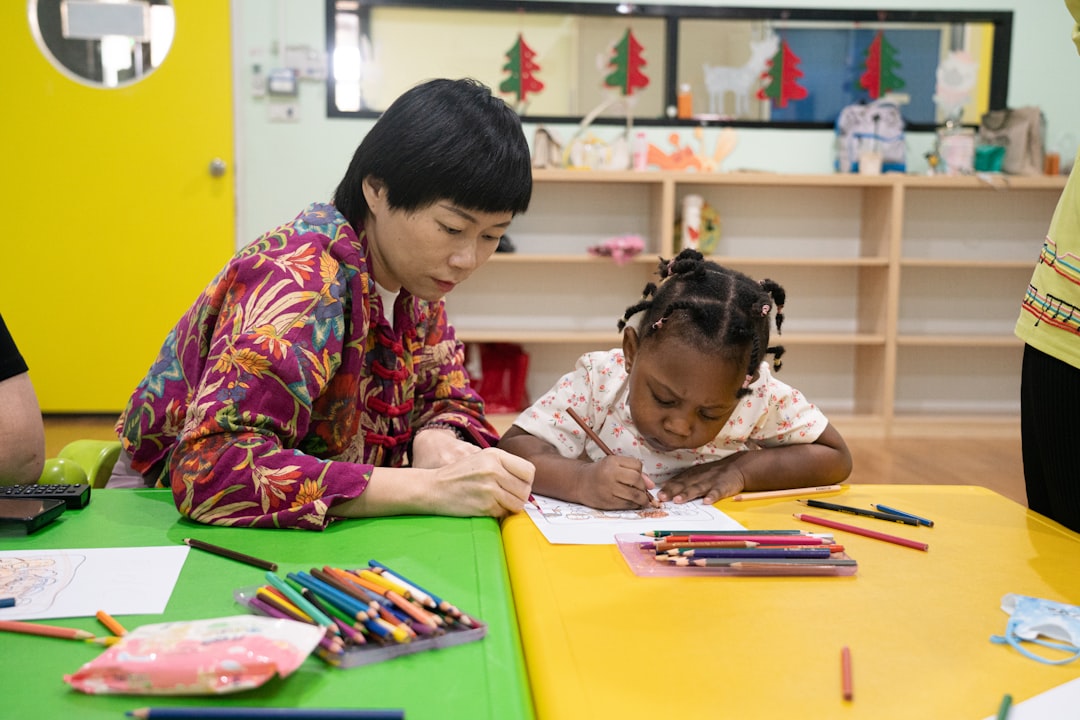
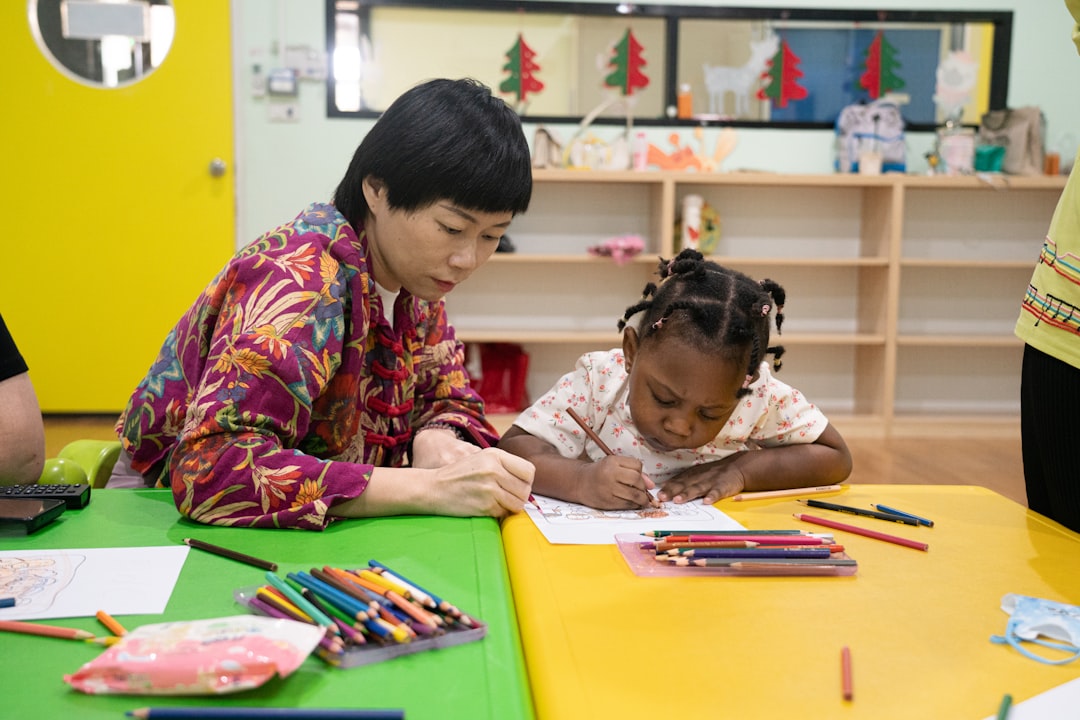
The physical act of forming letters requires fine motor control that develops over time. Young learners often start with large movements—drawing in sand, painting with fingers, or tracing large letters—before progressing to pencil control and smaller, more precise writing.
But writing is more than just forming letters correctly. It involves organizing thoughts, choosing appropriate words, constructing sentences, and creating coherent paragraphs. These skills develop progressively through practice and instruction.
Stages of Writing Development
Children typically progress through predictable stages as they learn to write:
- Scribbling: Random marks that represent “writing” to the child
- Letter-like forms: Shapes that resemble letters but may not be actual letters
- Random letters: Actual letters written without sound correspondence
- Invented spelling: Letters chosen based on sounds heard (e.g., “kt” for “cat”)
- Conventional spelling: Correct spelling with proper letter formation
Understanding these stages helps educators and parents support learners appropriately. A child using invented spelling is actually demonstrating phonemic awareness—a positive step forward, not a failure.

🎯 Practical Strategies for Teaching Reading at Home
Parents play a crucial role in literacy development, and the home environment offers countless opportunities for reading practice. The key is making reading a natural, enjoyable part of daily life rather than a forced academic exercise.
Read aloud daily. This single activity provides more benefits than almost any other literacy practice. When you read to children, they hear fluent reading, encounter new vocabulary in context, and learn story structure and comprehension skills.
Choose books slightly above the child’s independent reading level. This exposes them to more complex language and ideas while you provide support and explanation. Point to words as you read to reinforce the connection between spoken and written language.
Creating a Print-Rich Environment
Surround learners with written language in meaningful contexts:
- Label household items with their names
- Display the alphabet at eye level
- Keep books accessible in various rooms
- Create word walls with frequently used or new vocabulary
- Use magnetic letters on the refrigerator for word building
- Write shopping lists together and let children cross off items
When children see adults reading and writing for real purposes—making lists, reading recipes, writing notes—they understand that literacy has practical value beyond schoolwork.
🖊️ Effective Techniques for Writing Practice
Writing practice should be purposeful and varied. While handwriting worksheets have their place, authentic writing experiences create stronger motivation and better learning outcomes.
Start with morning messages or daily journals where learners write about their experiences, feelings, or observations. Even a single sentence counts as practice. The focus initially should be on getting ideas down, not perfect spelling or handwriting.
Encourage different types of writing: stories, lists, letters, instructions, descriptions, and persuasive arguments. Each genre requires different skills and structures, building a well-rounded writer.
The Writing Process for Beginners
| Stage | Activity | Purpose |
|---|---|---|
| Prewriting | Brainstorming, drawing, talking | Generate and organize ideas |
| Drafting | Getting words on paper | Create initial version without worrying about perfection |
| Revising | Improving content and clarity | Make the message clearer and more effective |
| Editing | Correcting spelling, grammar, punctuation | Fix mechanical errors |
| Publishing | Creating final version | Share writing with an audience |
Young writers don’t need to complete this entire process for every piece, but understanding these stages helps them see writing as a craft that improves with revision, not a one-shot performance.
📱 Using Technology to Support Literacy Development
Digital tools offer interactive, engaging ways to practice reading and writing skills. Educational apps provide immediate feedback, adapt to individual learning levels, and make practice feel like play rather than work.
Quality literacy apps incorporate research-based methods like systematic phonics instruction, multisensory learning (combining visual, auditory, and kinesthetic elements), and spaced repetition for better retention. They track progress and adjust difficulty automatically, providing personalized learning paths.
Interactive e-books with read-along features help developing readers by highlighting words as they’re spoken, building the connection between printed and spoken language. Some apps include games that build phonemic awareness through rhyming, sound matching, and syllable segmentation activities.
Balancing Screen Time with Traditional Methods
Technology should supplement, not replace, traditional literacy activities. The most effective approach combines:
- Physical books alongside e-books
- Handwriting practice alongside typing skills
- Face-to-face conversation alongside digital communication
- Creative play alongside educational apps
Set clear time limits for device use and choose apps carefully. Look for options without distracting ads, that allow progress tracking, and that align with established literacy research rather than just entertainment value.
🌟 Overcoming Common Reading Challenges
Many learners encounter obstacles on their literacy journey. Recognizing these challenges early and addressing them with appropriate strategies prevents frustration and keeps motivation high.
Letter reversal (confusing b and d, p and q) is common in early readers and usually resolves with practice and maturity. Multisensory techniques help: tracing letters in sand, building them with clay, or using hand motions to remember letter forms.
Some children struggle with blending sounds into words. They might know that c-a-t has three sounds but can’t smoothly combine them. Explicit instruction in blending, starting with simple two-sound words and gradually increasing complexity, builds this skill.
When to Seek Additional Support
While every child learns at their own pace, certain signs suggest a need for professional evaluation:
- Difficulty recognizing rhymes or identifying beginning sounds in words after age 5
- Struggling to learn letter names and sounds despite consistent instruction
- Reading significantly below grade level by second or third grade
- Avoiding reading activities or expressing extreme frustration
- Family history of reading difficulties or dyslexia
Early intervention makes an enormous difference. Reading specialists, educational psychologists, and speech-language pathologists can identify specific issues and provide targeted instruction.
💪 Building Writing Confidence and Stamina
Many learners who can technically write avoid doing so because they lack confidence or find the process exhausting. Building writing stamina requires patience and strategic practice.
Start with short, daily writing sessions—even five minutes counts. Gradually increase duration as physical and mental endurance improves. The goal is making writing a habit rather than an occasional, dreaded task.
Separate composition from transcription when necessary. If handwriting or spelling difficulties prevent a child from expressing ideas, let them dictate while you scribe, or allow typing instead of handwriting. The priority is developing thoughts and language skills.
Creating Authentic Writing Opportunities
Give learners real reasons to write:
- Write thank-you notes to relatives or friends
- Create birthday cards or invitations
- Keep a family recipe book with their contributions
- Write reviews of books, movies, or restaurants
- Correspond with pen pals or distant relatives
- Create instruction manuals for games or crafts
When writing serves a genuine purpose beyond completing an assignment, motivation increases and the skills feel relevant.
📖 Selecting Appropriate Reading Materials
The right book at the right time makes all the difference. Materials should match both the reader’s skill level and their interests, creating a sweet spot where challenge meets engagement.
For independent reading, use the five-finger rule: have the reader open to a random page and read aloud. Each word they don’t know represents one finger. If they hold up five fingers before finishing the page, the book is too difficult for independent reading (though it might work well as a read-aloud).
Leveled readers serve an important purpose for skill-building, but don’t limit children to these alone. Also provide access to high-interest books in favorite topics, even if they’re slightly challenging. Passion for the subject matter motivates readers to push through difficulty.
Building a Home Library on Any Budget
Book ownership matters. Children with books at home read more, but you don’t need to spend a fortune:
- Library sales: Many libraries sell donated books for $0.25-$2
- Thrift stores: Children’s books are abundant and cheap
- Book swaps: Organize exchanges with other families
- Free resources: Little Free Libraries in neighborhoods
- Digital options: Free e-books through library apps
Variety matters more than quantity. Include fiction and nonfiction, poetry, magazines, comics, and informational texts across different topics.
🎓 Supporting Adult Learners in Literacy Development
Adults learning to read and write face unique challenges and bring unique strengths. They have life experience, clear motivation, and understanding of why literacy matters, but may also carry shame, fear, or previous negative educational experiences.
Adult literacy instruction should respect learners’ intelligence and experience. Materials should use age-appropriate content even when teaching basic skills. A grown person learning to read doesn’t need books about talking animals—they need texts about topics relevant to adult life.
Functional literacy often takes priority: reading job applications, understanding medication labels, filling out forms, or helping children with homework. Instruction that connects directly to these real-life needs increases motivation and demonstrates immediate value.
Resources Specifically for Adult Learners
Adults benefit from flexible, private learning options:
- Community college adult education programs (often free)
- Literacy councils offering one-on-one tutoring
- Online programs allowing private, self-paced learning
- Workplace literacy programs
- Family literacy programs that engage parents and children together
The most effective programs create safe, non-judgmental environments where adults can take risks, make mistakes, and celebrate progress without embarrassment.
🚀 Maintaining Progress and Preventing Skill Loss
Literacy skills require ongoing practice to maintain and strengthen. The dreaded “summer slide” shows what happens when practice stops: children can lose 1-3 months of reading progress during long breaks from school.
Make reading and writing year-round habits rather than school-year activities. Summer reading programs through libraries provide structure and incentives. Setting family reading times when everyone reads their own chosen material models literacy as a lifelong practice.
Keep expectations realistic but consistent. Reading for 15 minutes daily accomplishes more than occasional marathon sessions. Writing three sentences in a journal each night builds more skill than writing an essay once a month.
Tracking Progress Without Creating Pressure
Celebrate milestones and growth:
- Keep writing samples dated to show improvement over time
- Track books read with a simple chart or jar of marbles
- Note new sight words mastered each week
- Record children reading aloud periodically to hear fluency improvement
- Celebrate when they read independently for longer periods
Focus on personal growth rather than comparison to others. Every reader develops at their own pace, and pressure to match peers can damage motivation and confidence.
🌈 The Lifelong Benefits of Strong Literacy Skills
Investing time and effort in developing reading and writing abilities pays dividends throughout life. Strong literacy skills correlate with better health outcomes, higher earning potential, greater civic engagement, and improved quality of life.
Readers access information needed for informed decision-making about health, finances, and civic participation. They can advocate for themselves, understand contracts and legal documents, and participate fully in democratic processes.
Writers can express themselves clearly, communicate effectively in professional settings, and process thoughts and emotions through journaling. Writing skills directly impact career advancement in nearly every field.
Beyond practical benefits, literacy opens worlds of imagination, knowledge, and connection. Books transport us to different times and places, introduce us to diverse perspectives, and help us understand ourselves and others more deeply.
The journey to literacy isn’t always easy, but the destination—confident, capable reading and writing—empowers individuals to shape their own futures and participate fully in society. Whether you’re just beginning or helping someone else start, remember that every word read and written is progress worth celebrating.
