
Anúncios
Learning to read and write opens doors to endless possibilities, transforming lives through knowledge, communication, and personal growth in ways that few other skills can match.


Literacy represents one of humanity’s most powerful tools. Whether you’re a parent guiding your child, an adult learner taking the first step, or someone supporting others on their educational journey, understanding the process of acquiring reading and writing skills creates a foundation for lifelong success.
Anúncios
This comprehensive guide breaks down proven methods, practical strategies, and modern approaches that make literacy accessible to learners of all ages. From phonics fundamentals to digital learning tools, we’ll explore everything you need to know about mastering these essential skills.
🎯 Why Literacy Matters More Than Ever
In our information-driven world, reading and writing proficiency directly impacts career opportunities, health outcomes, and social participation. Studies show that adults with strong literacy skills earn 40-50% more than those with limited abilities.
Beyond financial benefits, literacy enables:
Anúncios
- Access to healthcare information and medical instructions
- Participation in civic activities and voting processes
- Support for children’s educational development
- Protection from scams and financial exploitation
- Enhanced self-esteem and mental well-being
Research from the National Institute for Literacy indicates that approximately 43 million adults in the U.S. alone struggle with basic literacy. This challenge affects families across generations, as parents with limited reading skills often face difficulty supporting their children’s education.
📚 Understanding the Literacy Learning Process
Learning to read and write isn’t a single skill—it’s a complex combination of cognitive processes that develop progressively. Recognizing these stages helps learners and educators set realistic expectations and celebrate incremental progress.
The Five Pillars of Reading Instruction
Phonemic awareness forms the foundation. This involves recognizing and manipulating individual sounds in spoken words. Before children see written letters, they need to understand that the word “cat” contains three distinct sounds: /k/, /a/, /t/.
Phonics instruction connects those sounds to written letters. Learners discover that the letter “b” corresponds to the /b/ sound, and combinations like “sh” create new sounds altogether.
Fluency development moves readers from decoding individual words to reading smoothly with proper expression. This stage typically requires extensive practice with texts at the appropriate difficulty level.
Vocabulary building expands the words learners recognize and understand. A robust vocabulary directly correlates with reading comprehension—you can’t understand what you read if you don’t know what the words mean.
Comprehension strategies teach learners to extract meaning, make inferences, and connect new information to existing knowledge. This final pillar transforms reading from a mechanical process into a meaning-making activity.
Writing Development Stages
Writing abilities emerge alongside reading skills but follow their own developmental path. Young learners often begin with scribbling and drawing, representing ideas visually before transitioning to letter formation.
The emergent writing stage features random letters and letter-like forms. Children might write “RDNBL” to represent “I went to the park,” using letters they know without regard for conventional spelling.
During early writing, learners apply phonics knowledge to spell words as they sound. “My cat is nIs” for “My cat is nice” demonstrates growing sound-symbol awareness despite unconventional spelling.
Transitional writers produce increasingly readable text with a mix of conventional and invented spellings. At this stage, instruction focuses on spelling patterns, punctuation, and basic grammar.
Fluent writers express complex ideas with proper mechanics, though they continue refining style, organization, and voice throughout their educational journey and beyond.
🧒 Teaching Children to Read and Write
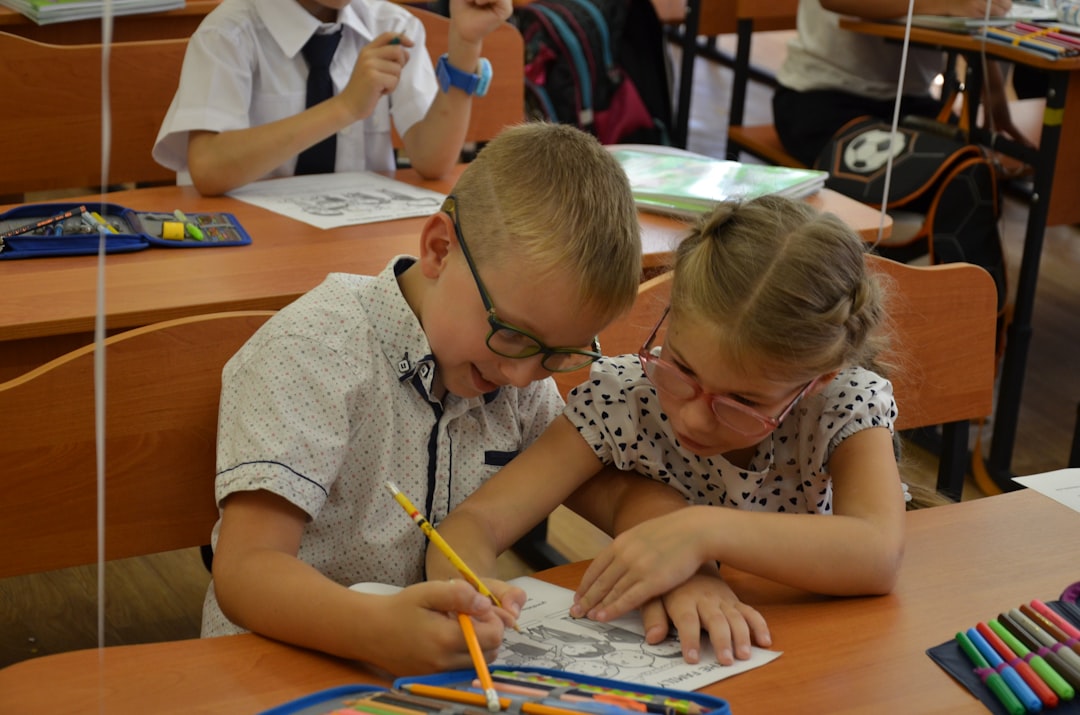
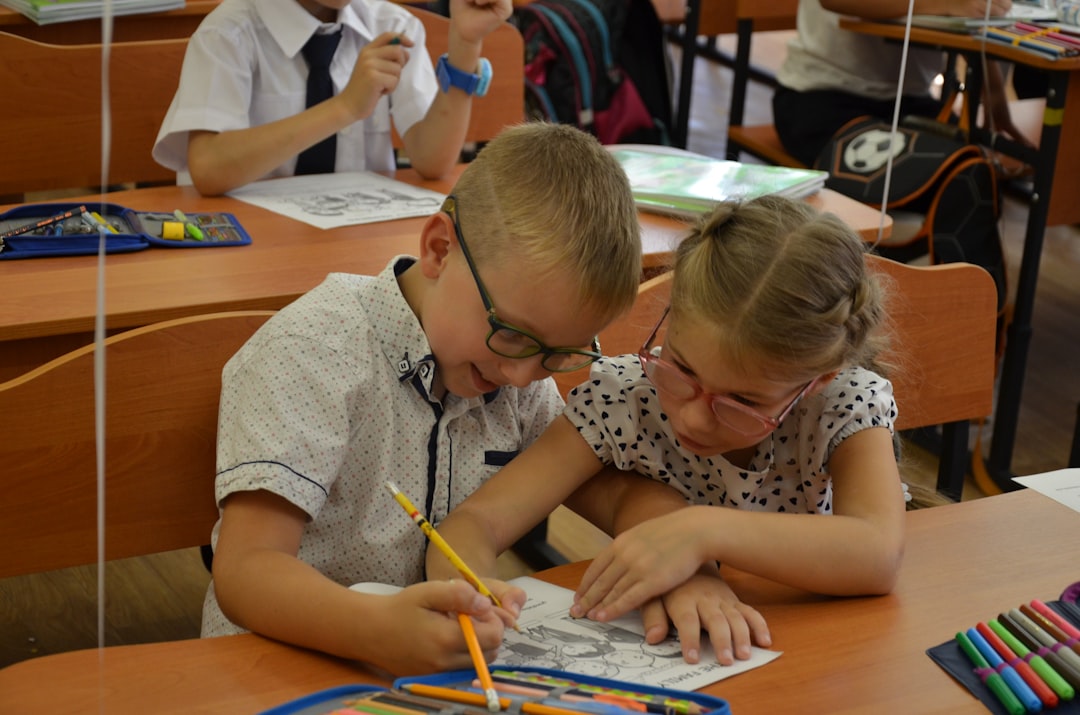
Starting early creates advantages, but the approach matters as much as timing. Children develop literacy skills most effectively through playful, engaging activities that feel more like games than lessons.
Birth to Age 3: Building Pre-Literacy Foundations
Even infants benefit from literacy exposure. Reading aloud to babies develops listening skills, expands vocabulary, and establishes positive associations with books. Choose books with bright pictures, simple text, and varied textures.
Talking throughout daily routines builds language skills. Narrate activities: “Now we’re putting on your blue socks. One sock, two socks!” This constant exposure to language creates neural pathways that support later reading.
Singing nursery rhymes and songs develops phonological awareness. The rhyming, rhythm, and repetition in “Twinkle, Twinkle, Little Star” or “The Wheels on the Bus” help children recognize sound patterns.
Ages 4-6: Active Reading Instruction Begins
Introduce letters gradually through multiple sensory experiences. Form letters with playdough, trace them in sand, or decorate them with glue and glitter. Multi-sensory learning strengthens memory formation.
Play letter-sound games daily. “I spy something that starts with /m/!” encourages children to identify initial sounds. Progress to identifying ending sounds and middle sounds as skills develop.
Read predictable books together, encouraging children to “read” repeated phrases. Books like “Brown Bear, Brown Bear, What Do You See?” let children participate successfully even before they decode independently.
For writing, start with large motor movements. Let children write letters in the air, paint them with water on sidewalks, or form them with their bodies. These activities develop the muscle memory needed for pencil control.

Ages 7-9: Developing Independence
At this stage, children transition from “learning to read” to “reading to learn.” They tackle longer texts, decode multisyllabic words, and read across different genres.
Provide access to high-interest books at the appropriate reading level. A child passionate about dinosaurs will work through challenging vocabulary in a dinosaur encyclopedia. Interest drives perseverance.
Establish daily reading time without distractions. Twenty minutes of independent reading each day significantly impacts reading growth. Create a cozy reading space with good lighting and comfortable seating.
For writing, introduce journaling or story-writing. Provide colorful notebooks and fun pens. Focus on ideas and creativity initially; mechanics can be refined through editing later.
👨🎓 Adult Literacy: It’s Never Too Late
Millions of adults want to improve their reading and writing skills but feel embarrassed or unsure where to start. Adult literacy programs report that students range from complete beginners to those needing to strengthen existing skills.
Overcoming Common Adult Learning Barriers
Time constraints challenge working adults and parents. Look for programs offering evening classes, weekend sessions, or online learning that fits irregular schedules. Even 15 minutes daily creates progress over time.
Anxiety and embarrassment prevent many adults from seeking help. Remember that seeking education demonstrates courage and commitment. Supportive programs create judgment-free environments where mistakes are expected learning opportunities.
Learning differences like dyslexia may have gone undiagnosed in childhood. Modern understanding and assistive technologies make literacy more accessible than ever. Specialized instruction addresses these challenges effectively.
Effective Strategies for Adult Learners
Adults bring valuable advantages to literacy learning: life experience, motivation, and developed cognitive skills. Effective adult programs leverage these strengths.
Start with personally relevant materials. Practice reading job applications, medication labels, children’s report cards, or news articles about topics you care about. Meaningful content increases engagement and retention.
Use the language experience approach: dictate your own stories or ideas while someone transcribes them, then practice reading your own words. This method connects spoken language to written text while building confidence.
Apply phonics systematically but accelerate through patterns. Adults grasp linguistic concepts more quickly than children. Programs like Orton-Gillingham provide structured, multisensory phonics instruction designed for learners of all ages.
Join a literacy program or tutoring service. Organizations like ProLiteracy, local libraries, and community colleges offer free or low-cost instruction. One-on-one tutoring or small group classes provide personalized attention.
💻 Digital Tools and Apps That Accelerate Learning
Technology has revolutionized literacy education, making quality instruction accessible anytime, anywhere. These tools supplement traditional methods effectively when used strategically.
Top-Rated Literacy Apps
Apps designed specifically for literacy development offer interactive, engaging practice that adapts to individual learning levels. Many provide immediate feedback and track progress over time.
| App Name | Best For | Key Features |
|---|---|---|
| LetterSchool | Letter formation (ages 2-7) | Multisensory letter tracing, phonics sounds, animation |
| Homer | Beginning readers (ages 2-8) | Personalized learning path, stories, phonics games |
| Duolingo ABC | Early literacy (ages 3-6) | Free, game-based, no ads, offline capability |
| Epic! | Reading practice (ages 12 and under) | Digital library with 40,000+ books, read-aloud options |
| Grammarly | Writing improvement (teens/adults) | Real-time grammar and spelling correction, style suggestions |
E-Readers and Audiobooks
E-readers with adjustable font sizes, built-in dictionaries, and text-to-speech features support struggling readers. Looking up unfamiliar words with a simple tap removes a major reading comprehension barrier.
Audiobooks paired with physical or digital text provide a powerful combination. Following along while listening improves fluency, pronunciation, and engagement. Services like Learning Ally offer audiobooks specifically designed for struggling readers.
Online Learning Platforms
Websites like Reading Eggs, ABCmouse, and Khan Academy Kids offer comprehensive literacy curricula for children. For adults, platforms like Khan Academy, Coursera, and edX provide free courses in reading and writing.
YouTube channels dedicated to phonics instruction, such as Alphablocks or Nessy, make learning entertaining through songs and animation. These resources cost nothing but require parental guidance to navigate appropriately.
✍️ Practical Writing Activities for All Levels
Writing skills develop through consistent practice, but that practice doesn’t need to feel like work. These activities build abilities while keeping learners engaged.
For Beginning Writers
Label drawings: After creating artwork, write labels identifying objects in the picture. “sun,” “house,” “tree” practice spelling familiar words in context.
Copy favorite quotes or sentences: Reproduce text from beloved books, building handwriting skills and reinforcing proper spelling and punctuation.
Fill-in-the-blank stories: Mad Libs-style activities where writers supply specific word types (noun, verb, adjective) create funny stories while teaching grammar concepts.
For Developing Writers
Keep a daily journal: Write three sentences about your day. Consistency matters more than length. Over time, expand to a paragraph, then multiple paragraphs.
Write letters or emails: Correspond with family members, pen pals, or favorite authors. Real audiences motivate more than assignments written solely for teachers.
Create how-to guides: Explain how to make a favorite recipe, play a game, or complete a task. Procedural writing teaches organization and clear communication.
For Advanced Writers
Start a blog: Writing for an authentic audience online develops voice and encourages regular practice. Choose topics you’re passionate about—hobbies, experiences, opinions.
Participate in writing challenges: National Novel Writing Month (NaNoWriMo) or poetry challenges provide structure, deadlines, and community support.
Edit and revise deliberately: Don’t just complete first drafts. Return to pieces, improving word choice, sentence variety, and organization. Professional writers rewrite extensively.
🏠 Creating a Literacy-Rich Environment
The physical and emotional environment significantly impacts literacy development. Small changes to your home or classroom can dramatically increase reading and writing opportunities.
Stock Your Space With Reading Materials
Accessibility matters. Keep books, magazines, and newspapers within easy reach throughout your home. Bathroom reading material, kitchen recipe books, and bedside book baskets normalize reading as a daily activity.
Variety encourages engagement. Include fiction and nonfiction, poetry and prose, comics and graphic novels. Different texts appeal to different interests and develop diverse reading skills.
Rotate materials regularly. Libraries offer unlimited access to new books without cost. Regular library visits create routines while exposing learners to far more books than any home collection could include.
Model Reading and Writing Behaviors
Children and developing readers need to see others reading for pleasure and purpose. Talk about what you’re reading, share interesting facts from articles, or read parts of books aloud at dinner.
Write visibly. Compose grocery lists, write thank-you notes, leave encouraging sticky notes, or draft emails while learners observe. Demonstrating that adults read and write daily for authentic purposes motivates practice.
Designate Writing Spaces
Create an inviting writing area stocked with appealing supplies: colorful pens, interesting paper, stamps, stickers, and other materials that make writing feel special rather than tedious.
Display finished work proudly. Hang writing on refrigerators, create portfolios showcasing growth, or bind stories into books. Celebrating effort and improvement builds motivation.
🎓 Addressing Learning Difficulties and Differences
Some learners face additional challenges that require specialized approaches. Early identification and appropriate intervention make enormous differences in outcomes.
Recognizing Dyslexia and Other Reading Disabilities
Dyslexia affects 15-20% of the population, making it one of the most common learning differences. Signs include difficulty matching letters to sounds, trouble decoding new words, and very slow, labored reading despite adequate instruction.
Dysgraphia specifically impacts writing, causing difficulties with handwriting, spelling, and organizing thoughts on paper. Letters may be inconsistently sized or spaced, and writing fatigue occurs quickly.
If you suspect a learning difference, pursue evaluation through schools or private specialists. Formal diagnoses open access to accommodations and specialized instruction that addresses specific neurological differences.
Evidence-Based Interventions
Structured literacy programs like Wilson Reading System, Barton Reading & Spelling, or Orton-Gillingham provide systematic, explicit phonics instruction that benefits struggling readers, particularly those with dyslexia.
Multisensory techniques engage visual, auditory, and kinesthetic pathways simultaneously. Students might trace letters in sand while saying the sound, integrating multiple learning channels.
Assistive technology levels the playing field. Text-to-speech software reads digital text aloud, speech-to-text programs transcribe spoken words into writing, and audiobooks provide access to grade-level content despite reading difficulties.
📊 Tracking Progress and Celebrating Growth
Monitoring development helps identify what’s working, what needs adjustment, and when to celebrate milestones. Both formal and informal assessments provide valuable information.
Informal Assessment Methods
Running records track reading accuracy and comprehension. Listen as the reader tackles a passage, noting errors, self-corrections, and fluency. Calculate the accuracy percentage to ensure texts match the learner’s level—90-94% accuracy indicates instructional level material.
Writing portfolios collected over time visually demonstrate growth. Compare pieces from different months to see improvements in spelling, sentence complexity, idea development, and mechanics.
Reading logs document books completed, pages read, or minutes spent reading. Tracking creates accountability and allows learners to see their own progress numerically.
Setting Meaningful Goals
Effective goals are specific and achievable. Rather than “get better at reading,” try “read for 20 minutes daily” or “finish three chapter books this month.” Concrete targets provide clear direction.
Celebrate incremental progress. Learning to read and write involves thousands of small victories: recognizing a new sight word, spelling a challenging word correctly, or finishing a longer book. Acknowledge these wins enthusiastically.
🌟 Building Lifelong Reading and Writing Habits
Developing literacy skills is just the beginning. The ultimate goal is creating readers and writers who engage with text regularly throughout their lives for learning, enjoyment, and self-expression.
Connecting Reading to Personal Interests
Passion drives practice. A child fascinated by space will devour astronomy books, articles, and websites. An adult interested in woodworking will read project plans, safety guides, and technique tutorials. Find the intersection between interests and reading material.
Don’t limit “reading” to traditional books. Recipes, game instructions, website content, song lyrics, and social media posts all develop literacy skills. Reading for authentic purposes feels more meaningful than reading simply because someone said you should.
Writing for Real Purposes
Encourage writing that accomplishes actual goals: letters requesting information, reviews of products or restaurants, instructions for others, or stories to entertain family members. Writing with genuine audiences and purposes motivates more than artificial assignments.
Support creative expression through whatever medium excites the writer: poetry, fiction, personal essays, scripts, or song lyrics. Writing should feel like an outlet for ideas and emotions, not a chore.
Joining Reading and Writing Communities
Book clubs, writing groups, online forums, and social media communities connect people through shared literary interests. These groups provide motivation, recommendations, and accountability that sustain engagement.
Libraries often host free programs: story times, adult discussion groups, teen writing workshops, or author visits. Participating in literacy events normalizes reading and writing as social, enjoyable activities.
🚀 Taking the First Step Forward
Whether you’re supporting a child’s literacy journey, pursuing your own learning goals, or helping someone else develop these crucial skills, remember that every expert reader and writer started exactly where you are now—at the beginning.
Progress happens through consistent, incremental effort rather than dramatic breakthroughs. Fifteen minutes daily produces more growth than occasional marathon sessions. Patience, encouragement, and persistence create readers and writers.
The ability to read and write transforms lives by opening access to information, enabling communication, supporting career advancement, and enriching personal experiences. These skills empower individuals to learn anything, connect with anyone, and express themselves fully.
Start today with whatever resources you have available. Read together, practice letters, explore educational apps, visit your library, or join a literacy program. Each small step forward builds toward a future with unlimited possibilities—because once you can read and write, you can teach yourself virtually anything.
The journey to literacy may feel challenging at times, but millions before you have succeeded, and so will you. Embrace mistakes as learning opportunities, celebrate small victories enthusiastically, and remember that literacy opens a world of knowledge, imagination, and connection that enriches every aspect of life.
