
Anúncios
Writing a letter to Jesus is a deeply personal way to connect with your faith, express gratitude, share struggles, and seek guidance in your spiritual journey.


This ancient practice of written prayer has helped countless believers deepen their relationship with Christ. Whether you’re experiencing joy, facing challenges, or simply wanting to grow closer to God, putting pen to paper creates a sacred space for honest conversation.
Anúncios
The act of writing to Jesus transforms abstract thoughts into tangible expressions of faith. Unlike fleeting mental prayers, a written letter allows you to organize your thoughts, reflect on your spiritual path, and create a meaningful record of your journey with Christ.
Why Writing Letters to Jesus Strengthens Your Faith 🙏
The practice of writing letters to Jesus offers unique spiritual benefits that go beyond traditional prayer methods. When you write, you engage different cognitive processes that enhance focus and intentionality.
Written prayers create permanence. Unlike spoken words that dissipate into the air, letters remain as physical testimonies of your faith journey. You can revisit them months or years later to see how God has worked in your life, answered prayers, or transformed your circumstances.
Anúncios
Many believers find that writing helps them articulate complex emotions they struggle to express verbally. The slower pace of writing allows for deeper reflection and more thoughtful communication with Christ.
Research on journaling shows that expressive writing reduces stress, improves mental clarity, and enhances emotional well-being. When combined with faith, these benefits multiply as believers experience both psychological relief and spiritual connection.
The Biblical Foundation for Written Prayer
Scripture provides numerous examples of written communication with God. The Psalms represent perhaps the most famous collection of written prayers, with David and other authors recording their praises, laments, and petitions.
The prophet Habakkuk wrote his questions and concerns directly to God, receiving divine responses he recorded for future generations. Jeremiah sent written letters containing God’s messages to exiled Israelites, demonstrating how written words carry spiritual weight.
Even Jesus referenced written Scripture constantly, showing reverence for words preserved through writing. The entire Bible exists as written revelation, proving God values permanent records of spiritual truth.
How to Start Your First Letter to Jesus ✍️
Beginning your first letter might feel intimidating, but remember that Jesus already knows your heart. There’s no wrong way to communicate with someone who loves you unconditionally.
Choose your medium thoughtfully. Some people prefer traditional pen and paper for the tactile, intimate experience. Others find digital formats more practical, using note-taking apps or word processors that allow easy editing and organization.
Select a quiet space where you won’t be interrupted. This isn’t about creating perfect prose—it’s about authentic connection with Christ in an environment conducive to reflection.
Opening Your Letter With Honesty
Start with a simple greeting. You might write “Dear Jesus,” “Lord,” or whatever feels natural to your relationship with Him. There’s no formula you must follow.
Consider beginning with gratitude. Acknowledging blessings shifts your perspective and reminds you of God’s faithfulness before diving into requests or concerns.
Be completely honest about your current emotional and spiritual state. Jesus already knows what you’re experiencing, so pretense serves no purpose. Authenticity creates space for genuine spiritual growth.
Structuring Your Thoughts Effectively
While your letter doesn’t need rigid structure, organizing your thoughts helps ensure you address what matters most to you. Consider these common sections:
- Thanksgiving: Express gratitude for specific blessings, answered prayers, or moments of grace
- Confession: Acknowledge areas where you’ve fallen short or need forgiveness
- Concerns: Share worries, fears, or situations causing anxiety
- Petitions: Make specific requests for yourself and others
- Listening: Leave space to record any impressions, Scripture passages, or insights you receive
This framework mirrors the ACTS prayer model (Adoration, Confession, Thanksgiving, Supplication) many Christians use, adapted for written format.

What to Include in Your Letters to Jesus 📝
The content of your letters will evolve with your spiritual journey, but certain elements consistently enrich the practice and deepen your connection with Christ.
Specific prayer requests carry more weight than vague generalities. Instead of “Help me be better,” try “Give me patience with my coworker who criticized my project today, and help me respond with grace.”
Include details about your daily life. Jesus cares about every aspect of your existence, not just “spiritual” matters. Your job frustrations, family dynamics, health concerns, and even mundane decisions all matter to Him.
Celebrating Victories and Answered Prayers
Document when prayers are answered, no matter how small the victory. Recording these moments builds your faith by creating a visible history of God’s faithfulness in your life.
When you look back through old letters and see how God worked, you’ll find encouragement during current struggles. Past faithfulness provides evidence for future trust.
Some believers keep a separate section or notebook specifically for answered prayers, creating a personal testimony of God’s active presence in their lives.
Wrestling With Doubts and Questions
Your letters to Jesus should include moments of doubt, confusion, or spiritual struggle. The Psalms demonstrate that honest questioning doesn’t offend God—it reflects genuine relationship.
Write about theological concepts you find confusing or situations where God’s plan seems unclear. Articulating these questions often clarifies your thinking and opens pathways for deeper understanding.
Many believers discover that writing their doubts helps diminish their power. What feels overwhelming in your mind often seems more manageable when examined on paper.
Different Types of Letters for Various Seasons 🌱
Your spiritual life includes diverse seasons, each calling for different types of communication with Jesus. Adapting your letter-writing approach to your current circumstances makes the practice more meaningful and relevant.
Letters of gratitude focus exclusively on thanksgiving. During seasons of blessing, dedicate entire letters to listing specific ways you’ve experienced God’s goodness. This practice cultivates contentment and combats the tendency toward constant petition.
Crisis letters provide emergency spiritual support when you’re overwhelmed. These might be shorter, more urgent, written in moments of acute need. They serve as immediate cries for help that honor God’s invitation to cast all anxieties on Him.
Reflective Letters During Spiritual Dryness
When you feel spiritually distant from God, writing becomes especially valuable. These letters might express feelings of abandonment or confusion about why your prayers seem unanswered.
Historical saints often wrote most powerfully during periods of spiritual darkness. Your honest wrestling in these moments can produce profound insights once the season passes.
Continue writing even when it feels mechanical. Discipline during spiritual winters prepares the soil for eventual spring growth.
Milestone Letters at Life Transitions
Major life changes deserve special letters marking the transition. These might accompany graduations, marriages, births, career changes, relocations, or losses.
Milestone letters serve dual purposes: they invite Jesus into the transition and create historical markers in your spiritual autobiography. Years later, these letters will help you see patterns in how God has led you.
Consider writing annual letters on your birthday or spiritual anniversary, reflecting on the past year and setting intentions for the next.
Creating a Sustainable Letter-Writing Practice 📅
Consistency matters more than perfection. A sustainable practice fits naturally into your life rather than feeling like burdensome obligation.
Set realistic frequency goals. Daily letters work for some people, while others find weekly or monthly rhythms more sustainable. Choose a frequency you can maintain long-term rather than burning out with an ambitious schedule.
Many believers tie letter-writing to existing routines. Morning coffee, lunch breaks, or before-bed wind-down times all offer natural anchors for this spiritual practice.
Tools and Resources That Help
Invest in a dedicated journal or notebook specifically for letters to Jesus. This physical separation from other writing creates psychological distinction and honors the sacred nature of the practice.
Digital options include password-protected documents, journaling apps like Day One or Journey, or faith-specific platforms designed for spiritual reflection. Choose tools that feel secure and private.
Some believers use prompts or devotionals to inspire their letters, especially when struggling with what to write. Books of prayers, Scripture reading plans, or liturgical calendars can all spark meaningful communication.
Protecting Privacy and Sacred Space
Your letters to Jesus represent vulnerable, intimate communication that deserves protection. If you share living space with others, secure your physical journals in private locations.
Digital letters should be password-protected, especially on shared devices. The fear of others reading your most private thoughts can inhibit honesty in your writing.
Decide in advance what you’ll do with your letters long-term. Some people keep them indefinitely, while others ceremonially destroy letters after a set period, symbolically releasing their contents to God alone.
Combining Letters With Other Spiritual Disciplines 🕊️
Letter-writing becomes even more powerful when integrated with other practices like Scripture reading, worship, and meditation.
Begin with Bible reading, then respond to what you’ve read through your letter. This creates dialogue where God speaks through Scripture and you respond in writing.
Many believers find this approach transforms Bible study from information-gathering into genuine conversation. You might write questions about confusing passages, express how verses apply to current situations, or celebrate truths that particularly resonate.
Incorporating Scripture in Your Letters
Quote Bible verses directly in your letters, showing Jesus you’re grounding your prayers in His revealed Word. This practice aligns your requests with God’s character and promises.
Write Scripture back to God as declaration: “You said in Philippians 4:6-7 not to be anxious, so I’m bringing my worry about finances to You and trusting Your peace.”
Praying Scripture through letter-writing roots your communication in truth rather than emotion alone, balancing feeling with theological foundation.
Using Letters During Worship
Some churches or small groups incorporate letter-writing into corporate worship. This might involve guided writing time during services or retreats dedicated to spiritual writing.
Personal worship sessions at home can include letter-writing as a response to sung worship or contemplative music. The combination of music and writing accesses different aspects of your spiritual expression.
Receiving From Jesus Through Written Dialogue 💬
While you write to Jesus, leave space to “hear” His responses. This doesn’t mean claiming direct revelation equivalent to Scripture, but rather recognizing how God speaks through impressions, memories, Scripture passages, and inner conviction.
Two-way journaling involves writing your letter, then sitting quietly and recording any thoughts that come to mind as if Jesus were responding. This practice requires discernment—everything you write should align with biblical truth.
Many believers use different handwriting, fonts, or colored ink to distinguish their words from what they sense God saying. This visual separation helps maintain clarity about the source of each message.
Testing What You Hear Against Scripture
Any impression you record as God’s response must align perfectly with biblical teaching. If something contradicts Scripture, it doesn’t originate from Jesus, regardless of how compelling it feels.
Share significant “responses” with mature believers who can help discern their authenticity. Spiritual community provides accountability that protects against deception or wishful thinking.
Remember that God’s primary method of speaking remains His written Word. Impressions during letter-writing should confirm, apply, or illuminate Scripture rather than adding to it.
Letters to Jesus for Children and Families 👨👩👧👦
Teaching children to write letters to Jesus establishes lifelong habits of communication with God. Adapt the practice age-appropriately to meet kids where they are developmentally.
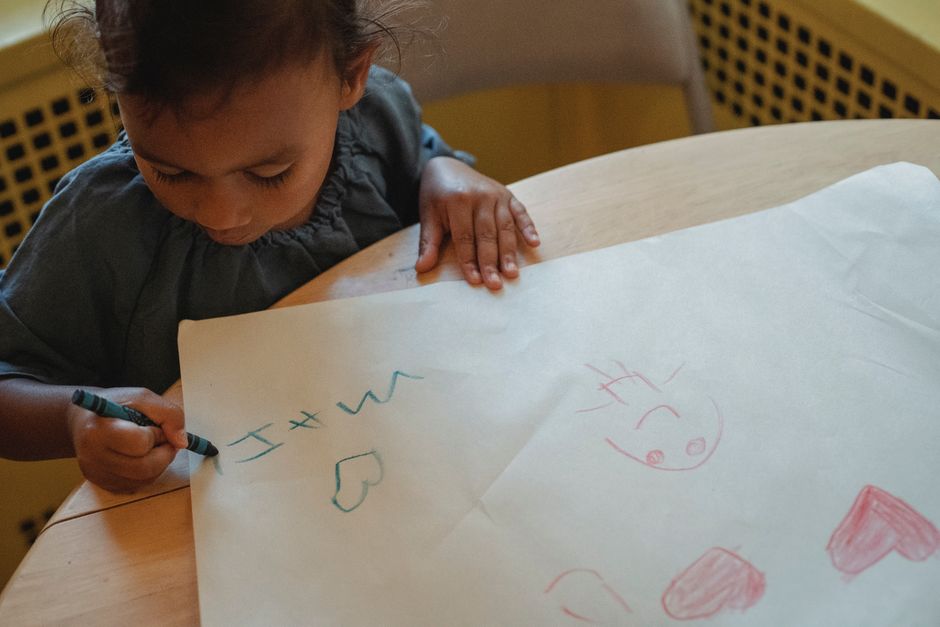
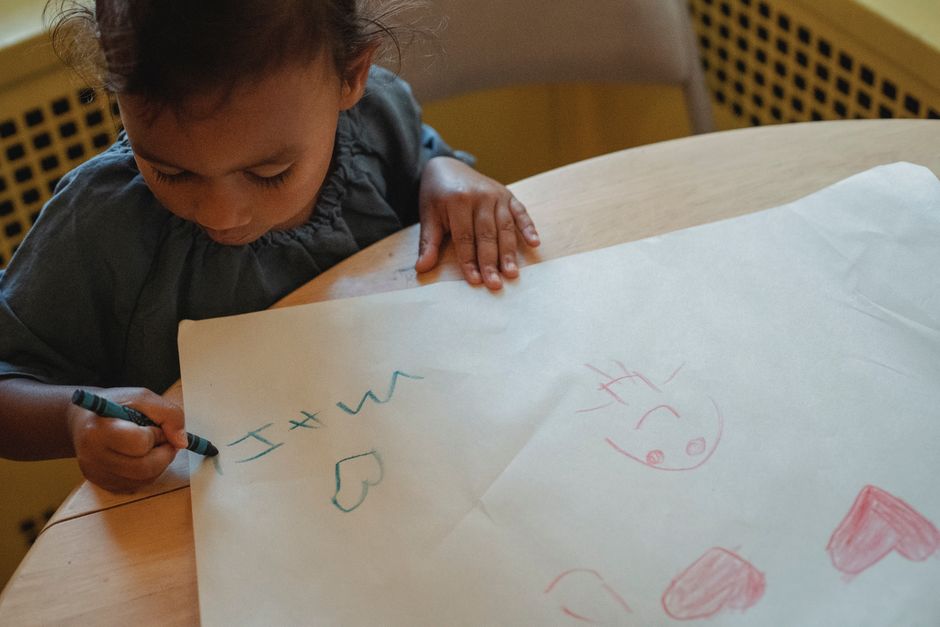
Young children might draw pictures for Jesus with a sentence or two explaining their artwork. These visual prayers honor their developmental stage while establishing the practice.
Elementary-aged kids can write simple letters with prompts: “Dear Jesus, today I want to tell you about…” or “Jesus, I need help with…” Provide colorful journals that make the practice feel special.
Family Letter-Writing Traditions
Some families write collective letters to Jesus, with each person contributing a section. This creates shared spiritual experiences and models vulnerability in faith for children.
Holiday letters offer another family tradition. Christmas letters to Jesus focusing on gratitude for the incarnation or Easter letters celebrating resurrection can anchor spiritual meaning to these celebrations.
Encourage teenagers to maintain private letter-writing practices, respecting their need for confidential communication with God as they develop independent faith.
Overcoming Common Obstacles and Challenges 🚧
Most people encounter difficulties maintaining this practice. Recognizing common obstacles helps you develop strategies to overcome them.
Writer’s block affects spiritual writing just like any other form. When you don’t know what to write, start with simple honesty: “Jesus, I’m sitting here not knowing what to say, but I want to connect with You.”
Use prompts when needed. Questions like “What am I grateful for today?” or “Where do I need guidance?” can jumpstart stalled letters.
Dealing With Inconsistency
Life interrupts even the best intentions. When you’ve missed days, weeks, or months, resist guilt that prevents return. Simply pick up where you are and begin again.
Your letter can acknowledge the gap: “Jesus, it’s been three weeks since I wrote. Here’s what’s been happening…” This honesty models the grace God already extends.
Adjust your practice as life changes. New babies, job demands, or health issues might require reduced frequency temporarily. Flexibility prevents abandonment of the practice entirely.
When Letters Feel Unanswered
Sometimes you’ll write repeated letters about the same concern without apparent response. This mirrors the experience of persistent prayer that Jesus Himself taught.
Continue writing through the silence. Some of your most significant spiritual growth happens in waiting periods when God seems distant or unresponsive.
Review old letters to remember past faithfulness. God’s track record in your life provides evidence that He hears your current letters even when immediate answers don’t materialize.
The Transformative Power of Looking Back 🔄
The greatest value of letters to Jesus often emerges when you reread them months or years later. This retrospective view reveals patterns, growth, and God’s faithfulness you couldn’t see in the moment.
Schedule regular review times. Many believers set aside time quarterly or annually to read through past letters, reflecting on how far they’ve traveled spiritually.
You’ll notice prayers you forgot making, now answered in ways you didn’t expect. Concerns that once seemed overwhelming may have resolved completely or revealed deeper issues God was actually addressing.
Watching your spiritual maturity through your own words provides unique encouragement. You’ll see repeated patterns where God consistently worked, building confidence in His character and methods.
Sharing Your Journey With Others
While your letters remain private, sharing excerpts appropriately can encourage fellow believers. Testimonies of answered prayers or growth through struggles inspire others facing similar circumstances.
Consider whether God might use your experience with letter-writing to mentor someone else. Teaching this practice to another believer multiplies its impact beyond your own life.
Some people compile selected portions of their letters into a spiritual memoir for family members, creating a faith legacy for future generations.
Writing letters to Jesus transforms abstract faith into concrete spiritual practice. This ancient discipline meets contemporary needs, offering structure for the modern believer’s communication with Christ while honoring the timeless human need for intimate connection with the divine. Whether you write daily pages or occasional notes, each letter represents an investment in your relationship with Jesus—one that yields returns throughout your life and potentially beyond it. Start today with a single honest sentence, and discover where this practice leads your faith journey.
