
Anúncios
Writing a letter to Jesus is a deeply personal practice that combines prayer, reflection, and honest conversation with God in a tangible, meaningful way.


Anúncios
Throughout history, believers have found comfort in expressing their thoughts, fears, gratitude, and dreams through written words directed to Christ. This spiritual discipline creates a sacred space where faith becomes visible and emotions find expression beyond traditional spoken prayer.
Whether you’re navigating a difficult season, celebrating answered prayers, or seeking clarity about your purpose, putting pen to paper opens new channels of communication with the divine. The practice transforms abstract faith into something concrete, creating a personal record of your spiritual journey that you can revisit and reflect upon.
📝 Why Writing Letters to Jesus Matters
The act of writing to Jesus goes beyond conventional prayer methods by engaging multiple senses and cognitive processes. When you physically write your thoughts, you slow down, process emotions more deeply, and create lasting documentation of your faith journey.
Anúncios
Research shows that writing by hand activates different brain regions compared to typing or speaking. This neurological engagement helps you process emotions, organize scattered thoughts, and achieve greater clarity about what truly matters in your spiritual life.
Many believers discover that letters to Jesus become **treasured spiritual artifacts**—physical evidence of prayers answered, struggles overcome, and faith strengthened. Reading past letters often reveals patterns of God’s faithfulness that might otherwise go unnoticed in the daily rush of life.
This practice also provides a safe outlet for expressing doubts, anger, or confusion that you might hesitate to voice aloud. Jesus welcomes honest conversation, and letters create privacy for complete transparency without judgment or interruption.
🌟 The Biblical Foundation for Written Prayer
Scripture contains numerous examples of written prayers and laments. The Psalms themselves represent written conversations with God—raw, honest, poetic expressions of every human emotion directed heavenward.
King David penned prayers of desperation, gratitude, confusion, and worship. The prophet Jeremiah wrote letters containing God’s messages to the exiled Israelites. Habakkuk documented his questions and God’s responses in written dialogue.
These biblical precedents demonstrate that **writing to God honors an ancient tradition** rooted in Scripture itself. Your letters to Jesus continue this sacred practice, adding your voice to centuries of believers who found solace in written communication with the divine.
✍️ How to Start Your First Letter to Jesus
Beginning your first letter might feel awkward or overly formal. Many people wonder about the “right” way to address Jesus or structure their thoughts. The beautiful truth is there’s no single correct format—your letter reflects your unique relationship with Christ.
Start simply by writing the date at the top. This small detail becomes incredibly meaningful when you revisit letters months or years later, helping you remember the context and circumstances surrounding your prayer.
Address Jesus however feels natural to your relationship. Some write “Dear Jesus,” while others prefer “Lord,” “Savior,” “Friend,” or “Abba Father.” Your salutation should reflect the intimacy and authenticity of your personal connection.
📋 Essential Elements to Include
While letters to Jesus don’t require rigid structure, certain elements help create meaningful, complete conversations:
- Gratitude and acknowledgment – Begin by recognizing who Jesus is and expressing thanks for specific blessings
- Honest emotions – Share your current feelings without filtering or spiritualizing them
- Specific requests – Name particular needs, decisions, or people you’re praying for
- Confessions – Acknowledge mistakes, struggles, or areas where you need grace
- Questions – Ask for wisdom, clarity, or understanding about situations confusing you
- Commitment statements – Express your desires to follow, obey, or trust more deeply
- Scripture references – Include verses speaking to your current situation
Don’t feel obligated to include every element in each letter. Some days you might write only gratitude; other times your letter might consist entirely of questions or struggles. **Authenticity matters more than completeness**.
🕰️ Finding Your Writing Rhythm
The frequency of writing letters to Jesus varies among believers. Some write daily as part of morning devotions, while others write weekly, monthly, or only during significant life moments.
Daily letters tend to be shorter—often just a paragraph capturing the day’s primary emotion or prayer focus. Weekly letters allow more time for reflection and deeper exploration of themes developing in your spiritual life.
Crisis-driven letters emerge during difficult seasons: job loss, relationship struggles, health scares, or decisions requiring divine guidance. These often become the most powerful testimonies when you later witness how God answered or provided.
Experiment with different frequencies to discover what sustains your practice long-term. Consistency matters more than length—**a few genuine sentences weekly outweigh elaborate monthly letters** you struggle to maintain.

🎯 Different Types of Letters You Can Write
Letters to Jesus take many forms depending on your circumstances and spiritual needs. Understanding different letter types helps you intentionally choose the approach best suited to your current situation.
💬 Letters of Gratitude and Praise
Thanksgiving letters focus exclusively on recognizing blessings, answered prayers, and God’s character. These letters shift attention from problems to provisions, cultivating a mindset of abundance rather than scarcity.
Specific gratitude proves more powerful than generic thanks. Instead of “Thank you for everything,” try “Thank you for the conversation with Sarah yesterday that reminded me I’m not alone in this struggle” or “I’m grateful for the unexpected refund check that covered this week’s groceries.”
**Gratitude letters become powerful faith-builders** when you review them during difficult seasons, reminding you of God’s consistent faithfulness even when current circumstances feel bleak.
🙏 Letters of Petition and Intercession
These letters present specific requests for yourself or others. Writing requests helps clarify what you’re actually asking for and why it matters spiritually.
Effective petition letters include context: explain the situation, why it concerns you, and how you hope God might work. This practice helps you discern whether your request aligns with God’s character and purposes.
Intercession letters focus on others—family members, friends, community needs, or global concerns. Documenting these prayers creates accountability to continue praying and helps you notice when God answers on behalf of those you love.
😔 Letters of Lament and Struggle
Some of the most honest biblical prayers are laments—raw expressions of pain, confusion, or disappointment. Jesus welcomes these letters where you bring your unfiltered hurt and questions.
Lament letters don’t require resolution or neat spiritual conclusions. They create space for expressing grief, acknowledging suffering, and sitting with difficult emotions in God’s presence without pressure to “fix” everything immediately.
Many believers find that **writing lament letters prevents bitterness** by directing pain toward God rather than allowing it to fester internally or damage relationships with others.
🔍 Letters Seeking Guidance
Decision-focused letters help process choices by writing out options, fears, desires, and questions. The act of articulating confusion often brings unexpected clarity.
Include relevant Scripture, wise counsel you’ve received, and pros/cons of different paths. Ask Jesus to highlight what matters most and reveal any blind spots affecting your judgment.
These letters become valuable reference points after making decisions, helping you remember the spiritual discernment process and recognize how God provided wisdom along the way.
📖 Combining Scripture with Your Letters
Integrating Bible verses into your letters grounds personal emotions and requests in God’s eternal truth. Scripture provides language for expressing what you struggle to articulate independently.
When emotions overwhelm you, borrow the Psalms’ words. When you need promises, quote Scripture back to God, reminding yourself (and expressing faith) that His word remains true regardless of circumstances.
Some people structure entire letters around a single verse, unpacking what it means personally and asking Jesus to make that truth real in their current situation. Others weave multiple scriptures throughout their writing as divine conversation partners.
**Writing out Scripture by hand** (rather than copying and pasting) slows you down and helps verses penetrate more deeply into your consciousness and heart.
🛠️ Practical Tools and Methods
The physical act of writing letters can take various forms depending on your preferences and lifestyle. Each method offers unique benefits for sustaining this spiritual practice.
📔 Traditional Handwritten Journals
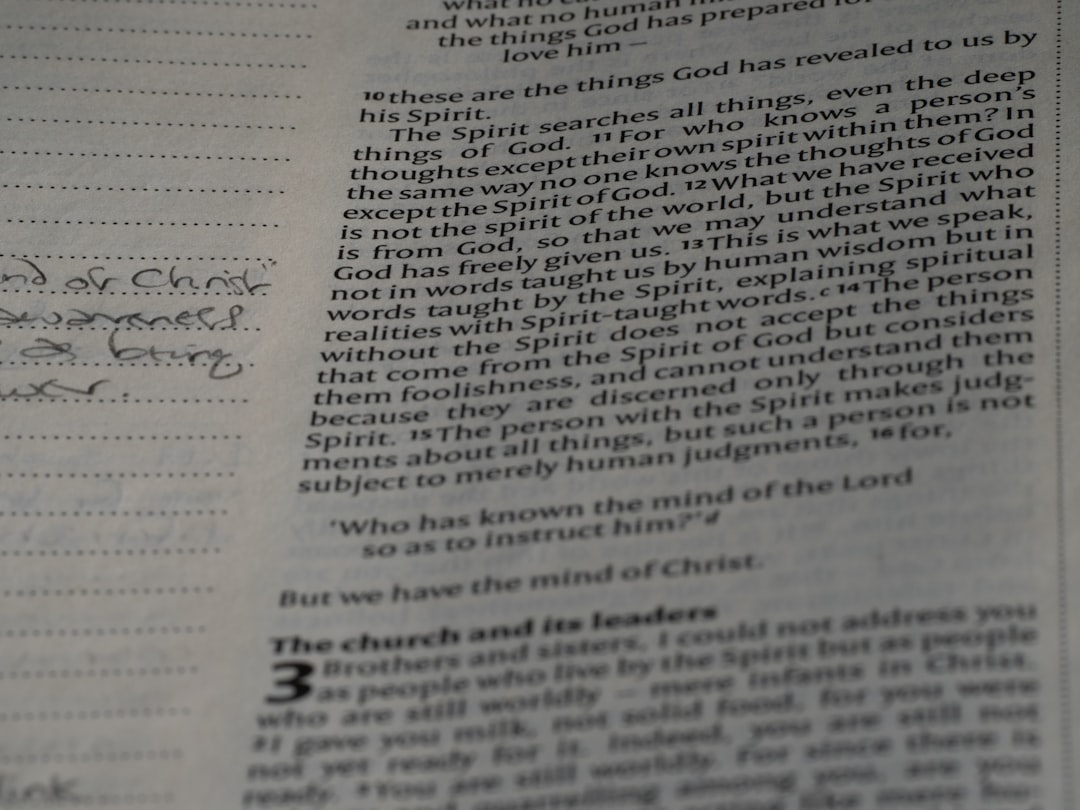
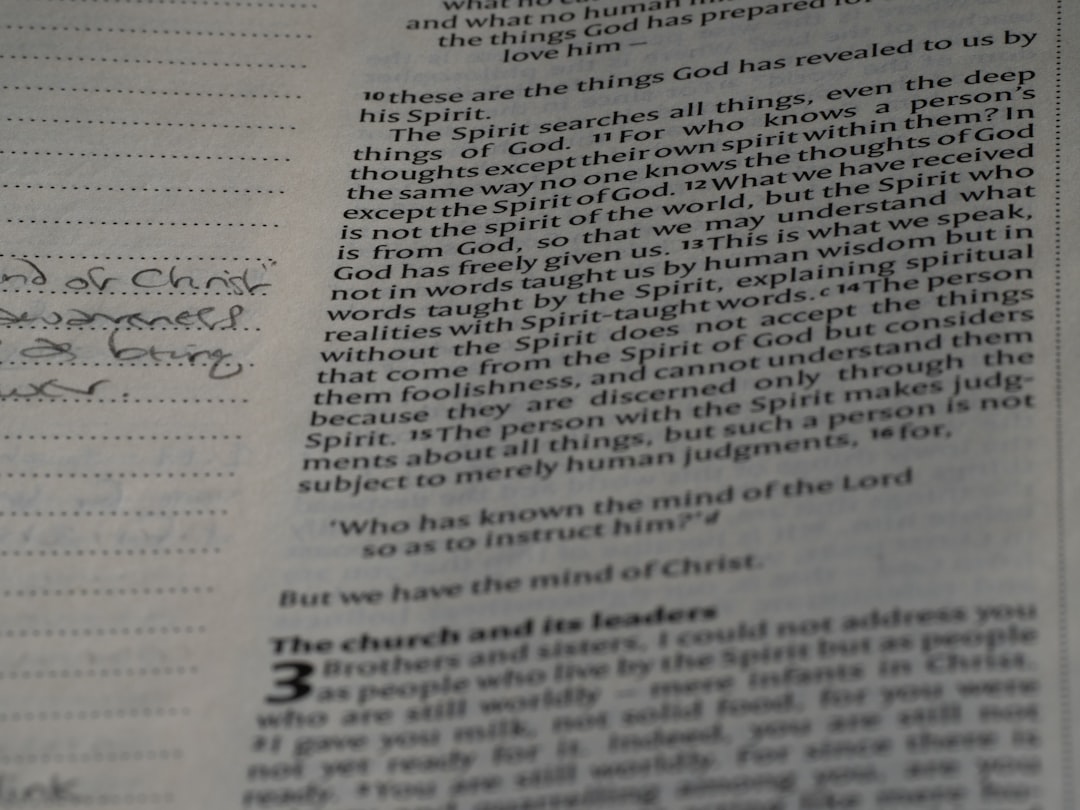
Many believers prefer handwritten letters in dedicated journals. The tactile experience of pen on paper creates a meditative quality that digital writing often lacks.
Choose a journal you genuinely enjoy using—the aesthetics matter because they influence whether you’ll consistently return to the practice. Some prefer lined notebooks; others like blank pages for freedom to write, draw, or diagram prayers.
Handwritten journals become physical heirlooms documenting your faith journey. They can be revisited during anniversaries, passed to children as spiritual legacy, or saved as testimonies of God’s faithfulness throughout your life.
💻 Digital Letters and Apps
Digital formats offer searchability, privacy protection through passwords, and convenience for people always carrying phones or tablets. Several apps now exist specifically for prayer journaling and writing to God.
Digital letters allow easy organization by topic, date, or prayer status (answered/ongoing). Search functions help you quickly locate past prayers about specific issues when you need encouragement or evidence of God’s faithfulness.
Cloud storage ensures your spiritual journal never gets lost, damaged, or destroyed. Backup features protect this valuable record of your relationship with Jesus across devices and years.
✉️ Physical Letters You Can Seal
Some people write letters to Jesus on stationery, seal them in envelopes, and store them in a special box. This method adds ceremony and privacy—you can write without rereading, simply entrusting the sealed letter to God.
Opening sealed letters months or years later often reveals answered prayers you’d forgotten and demonstrates growth you couldn’t see while living through difficult seasons day by day.
**This method works especially well for releasing burdens**—writing out worries, sealing the envelope, and physically symbolizing that you’re handing control to Jesus.
🌱 What to Do with Your Letters Over Time
Letters to Jesus accumulate into a spiritual autobiography documenting your faith journey with remarkable detail. How you steward this collection impacts its long-term value for your discipleship.
Regular review of past letters helps you recognize patterns: recurring struggles requiring deeper work, consistent themes revealing your calling, evidence of spiritual growth you might otherwise miss.
Consider marking prayers when they’re answered—a checkmark, date, or note describing how God responded. This practice trains you to notice divine activity and builds faith for future requests.
Some believers create annual summaries reviewing the year’s letters to identify major themes, most significant answers to prayer, and areas needing continued attention. This reflection deepens self-awareness and gratitude.
🔐 Maintaining Privacy and Sacred Space
Letters to Jesus contain your most vulnerable thoughts and shouldn’t be casually accessible to others. Decide early how you’ll protect this private communication.
Physical journals can be stored securely; digital versions should be password-protected. Communicate boundaries to household members about respecting your prayer journal privacy.
This privacy allows complete honesty without self-censoring or worrying about judgment. **The freedom to write anything** creates space for authentic relationship with Jesus impossible when you’re performing for potential readers.
👨👩👧👦 Teaching Children to Write Letters to Jesus
Introducing children to letter-writing prayer establishes a spiritual practice they can carry throughout life. Kids often find writing easier than formal prayer because it feels creative and personal.
Start young children with simple prompts: “Draw a picture for Jesus showing something you’re thankful for” or “Finish this sentence: Dear Jesus, today I want to tell you about…”
Older children can maintain their own prayer journals with age-appropriate structure. Provide special notebooks and designate time for writing as part of bedtime or devotional routines.
Respect children’s privacy with their Jesus letters unless they choose to share. This boundary teaches that prayer is personal communication with God, not performance for parents.
Occasionally share examples from your own letters (when appropriate) to model authenticity, showing that adults also bring questions, struggles, and gratitude to Jesus through writing.
🌍 Letters to Jesus During Life’s Major Seasons
Certain life circumstances make letter-writing particularly powerful and necessary for processing complex emotions and seeking divine guidance.
💔 During Grief and Loss
Loss creates overwhelming emotions that spoken prayer often cannot adequately express. Writing letters to Jesus during grief provides an outlet for anger, confusion, sadness, and even doubt without fear of shocking God.
These letters don’t require faith-filled conclusions or spiritual platitudes. They simply hold your pain in God’s presence, trusting that Jesus mourns with you even when words fail.
Many grieving believers find comfort writing letters updating Jesus on how they’re coping, asking for strength to face another day, and honestly admitting when faith feels fragile.
🎉 During Celebration and Breakthrough
Joy deserves documentation as much as sorrow. Letters celebrating answered prayers, unexpected blessings, or spiritual breakthroughs create monuments of remembrance for future reference.
Detailed celebration letters capture specific emotions and circumstances that fade over time. Rereading them later renews gratitude and strengthens faith during subsequent difficult seasons.
These letters also teach you to recognize God’s goodness in small daily gifts, not just dramatic miracles—cultivating awareness of His constant presence and provision.
🚪 During Major Transitions
Career changes, relocations, relationship shifts, or other significant life transitions benefit from letter-writing that processes endings, navigates uncertainty, and seeks direction for new beginnings.
Transition letters often ask many questions without immediate answers. Writing them anyway demonstrates faith that Jesus guides even when the path remains unclear.
**Documenting transition seasons** helps you later recognize how God was working behind the scenes during confusing times when His activity wasn’t obvious.
🔥 Deepening Your Practice Over Time
Like any spiritual discipline, letter-writing to Jesus evolves as your relationship with Him deepens. What begins as simple communication can develop into profound spiritual intimacy.
Long-term practitioners often report that Jesus “responds” to their letters—not audibly, but through Scripture that suddenly speaks directly to written questions, circumstances that address specific requests, or internal peace about decisions laid before Him in writing.
Stay alert to these responses by reviewing recent letters during Bible reading, worship, or quiet reflection. God often answers prayers through unexpected channels when you’re attentive to His voice.
Consider occasionally writing letters from Jesus to yourself, imagining how He might respond to your questions or struggles based on Scripture and what you know of His character. This practice, while requiring discernment, can offer fresh perspective and encouragement.
Your letter-writing practice will naturally ebb and flow with life’s rhythms. Don’t abandon it during dry seasons—sometimes the most important letters are those written when you feel least spiritual, simply showing up to maintain connection.
The accumulating pages of letters to Jesus become a testimony more powerful than you might realize while writing them. They document a real relationship with a living God who invites your honest thoughts, welcomes your questions, celebrates your joys, and walks through your sorrows. Each letter adds another thread to the story of how Jesus has been faithful, present, and actively involved in the details of your life—a story worth writing, preserving, and remembering.
