
Anúncios
Writing a heartfelt love letter remains one of the most intimate and powerful ways to express genuine emotions to someone special.


In our digital age where quick texts and emojis dominate communication, a carefully crafted love letter stands out as something truly meaningful. The written word carries weight that fleeting messages simply cannot match.
Anúncios
Whether you’re celebrating an anniversary, rekindling romance, or expressing feelings for the first time, understanding how to compose a memorable love letter can strengthen your relationship in profound ways. This guide will walk you through every essential element, from choosing the right words to avoiding common pitfalls.
Why Love Letters Still Matter in Modern Relationships 💌
Despite technological advances, handwritten or thoughtfully composed love letters continue to hold unmatched sentimental value. Research from relationship experts shows that tangible expressions of affection create lasting memories more effectively than digital communications.
Physical letters offer permanence. Your partner can return to your words during difficult moments, anniversaries, or simply when they need reassurance. Unlike texts that get buried in chat histories, a letter becomes a keepsable treasure.
Anúncios
The effort invested in writing demonstrates commitment. Taking time to select paper, choose words carefully, and articulate feelings shows your partner that they deserve your undivided attention. This intentionality communicates value in ways instant messages cannot replicate.
Studies on couples’ communication patterns reveal that written affection reduces misunderstandings. When you write, you organize thoughts more clearly than in spontaneous conversation, leading to more precise emotional expression.
Essential Components of a Compelling Love Letter ✍️
Every memorable love letter includes specific elements that work together to create emotional impact. Understanding these components helps you structure your thoughts effectively.
The Opening: Capturing Attention From the First Line
Your opening sets the tone for everything that follows. Avoid generic greetings like “Dear [Name]” alone. Instead, add a personal touch that immediately engages your reader.
Strong opening examples include:
- Specific memories: “I still remember the exact moment I realized you were extraordinary—that rainy Tuesday when you…”
- Current emotions: “As I sit here watching the sunset we both love, I’m overwhelmed by how deeply I cherish you…”
- Direct declarations: “You are the reason my ordinary days feel extraordinary, and I need you to know why…”
- Sensory details: “The scent of your perfume on my jacket reminded me of a thousand reasons I adore you…”
Your opening should feel authentic to your voice while immediately establishing emotional connection. Avoid clichés like “words cannot express” which actually distances the reader from genuine sentiment.
The Body: Building Emotional Depth Through Specificity
The middle section forms the heart of your letter. This is where specific details transform pleasant words into profound emotional experiences.
Focus on concrete examples rather than abstract concepts. Instead of writing “you make me happy,” describe: “When you laugh at my terrible jokes, even the ones that genuinely aren’t funny, I feel accepted in ways I never experienced before.”
Include these elements for maximum impact:
- Specific moments that changed how you see your partner
- Character traits you admire with real-world examples
- How they’ve positively influenced your life with measurable changes
- Shared experiences that hold special meaning for both of you
- Future dreams that include them
Balance vulnerability with positivity. Authentic love letters acknowledge imperfections while celebrating the relationship’s strength. Mentioning how you’ve grown together or overcome challenges adds depth without dwelling on negativity.
The Closing: Leaving a Lasting Impression
Your conclusion should reinforce your central message while looking forward. Effective closings often mirror the opening’s tone while adding a sense of continuation rather than finality.
Strong closing techniques include:
- Forward-looking statements: “I cannot wait to create a thousand more memories with you…”
- Reaffirmation: “Every day with you convinces me more completely that you are my person…”
- Call to togetherness: “Let’s keep building this beautiful life we’ve started…”
- Gratitude: “Thank you for being exactly who you are and for choosing me…”
Writing Styles for Different Relationship Stages 💕
The appropriate tone and content shift depending on where you are in your romantic journey. Matching your letter to your relationship stage ensures authenticity.
Early Dating: Expression Without Overwhelming
When you’re newly dating, balance enthusiasm with measured disclosure. Your letter should express genuine interest while respecting boundaries that naturally exist early on.
Focus on:
- Specific qualities you’ve noticed and appreciate
- How they make you feel during time together
- Excitement about getting to know them better
- Light, optimistic tone about future possibilities
Length recommendation: 200-400 words. Brief enough to feel spontaneous yet substantial enough to show effort.
Avoid: Declarations of eternal love, overly intense language, or pressure about relationship progression. These create discomfort rather than connection in new relationships.
Established Relationships: Deepening Connection
Long-term partners benefit from letters that acknowledge history while rekindling romance. Reference shared experiences that only the two of you understand fully.
Include:
- Evolution of your feelings over time
- Appreciation for how they’ve supported you through specific challenges
- Recognition of their growth as a person
- Renewed commitment to your shared future
- Inside jokes or references unique to your relationship
Length recommendation: 400-800 words. Sufficient space to explore complex emotions developed over time together.

Rekindling or Apologizing: Vulnerability and Accountability
Letters intended to repair or reignite require careful balance between acknowledging issues and expressing hope. These demand the most emotional intelligence.
Essential elements:
- Genuine acknowledgment of specific problems without deflecting blame
- Concrete examples of what you’ll do differently
- Recognition of their feelings and experiences
- Expression of what you truly value about them and the relationship
- Respect for their need for time or space
Critical rule: Never use these letters to manipulate or guilt-trip. Authentic accountability focuses on your actions and growth, not on what your partner should do in response.
Practical Tips for Elevating Your Love Letter 📝
Beyond structure and content, several practical considerations can significantly enhance your letter’s impact and reception.
Choosing Your Medium: Handwritten vs. Digital
The format you select communicates different messages about your effort and intentions.
| Format | Advantages | Best For |
|---|---|---|
| Handwritten | Maximum personal touch, keepsake value, shows significant effort | Anniversaries, major milestones, first declarations |
| Typed & Printed | Easier to edit, more legible, can add design elements | Longer letters, partners with vision difficulties |
| Digital (Email/Message) | Immediate delivery, includes multimedia possibilities | Long-distance, spontaneous expressions, follow-ups |
Paper quality matters for physical letters. Investing in quality stationery signals that your partner deserves your best effort. Cream or white paper with slight texture conveys thoughtfulness without appearing overly formal.
Timing Your Letter for Maximum Impact
When you deliver your letter influences how it’s received and remembered. Strategic timing amplifies emotional resonance.
Consider these occasions:
- Expected moments: Anniversaries, birthdays, Valentine’s Day (traditional but meaningful)
- Unexpected surprises: Random weekdays, hidden in luggage before trips, delivered to workplace
- Challenging times: During stress, illness, or difficult life transitions (shows support)
- Celebration moments: After achievements, promotions, or personal victories
- Just because: No occasion at all, purely spontaneous appreciation
Unexpected letters often create the strongest memories precisely because they defy routine. Your partner won’t anticipate the emotional gift, making it even more precious.
Length Considerations: Finding the Sweet Spot
Letter length should match both your message’s complexity and your partner’s reading preferences. Too brief may feel insufficient; too lengthy risks losing engagement.
General guidelines:
- Minimum 150 words for meaningful emotional content
- Sweet spot: 300-600 words for most occasions
- Extended letters (800+ words) work for major milestones or addressing complex topics
Quality always trumps quantity. A concise letter with specific, heartfelt content outperforms verbose writing filled with generic sentiments.
Common Mistakes That Undermine Love Letters ⚠️
Avoiding these frequent pitfalls ensures your letter achieves its intended emotional impact without unintended negative effects.
Overusing Clichés and Generic Phrases
Relying on overused expressions makes your letter feel impersonal and forgettable. Your partner has heard “you complete me” and “you’re my everything” countless times in movies and songs.
Replace generic phrases with specific observations:
- Instead of “you’re beautiful,” write “the way your eyes light up when you talk about your passions captivates me every time”
- Instead of “I can’t live without you,” write “you’ve become so integral to my daily happiness that coffee tastes better when we share it”
- Instead of “you’re my soulmate,” write “our ability to communicate without words sometimes still amazes me after all this time”
Specificity creates authenticity. Details prove you truly see and appreciate your unique partner rather than an idealized romantic fantasy.
Making It About You Instead of Them
Love letters should celebrate your partner, not serve as personal therapy sessions. Balance is essential—while expressing your feelings is appropriate, the focus should remain on why they’re special.
Test your letter: Count pronouns. If “I,” “me,” and “my” significantly outnumber “you” and “your,” revise to shift focus. Effective love letters illuminate your partner’s positive impact rather than cataloging your emotional state.
Being Too Abstract Without Concrete Examples
Abstract declarations of love lack the power of specific instances that illustrate your feelings through observable reality.
Compare these approaches:
- Abstract: “You make me a better person.”
- Concrete: “You’ve inspired me to be more patient—I notice how you handle stress with grace, and I’ve started pausing before reacting, just like you do.”
Concrete examples provide evidence that you genuinely observe and value your partner’s specific qualities and behaviors.
Neglecting Proofreading and Presentation
Spelling errors, grammatical mistakes, and messy presentation undermine your message. They suggest carelessness that contradicts the love you’re attempting to express.
Before delivering your letter:
- Read it aloud to catch awkward phrasing
- Check for repetitive words or phrases
- Verify spelling, especially of names, places, or special terms
- Ensure handwriting is legible (rewrite if necessary)
- Remove coffee stains, wrinkles, or smudges
Presentation quality communicates respect. Taking extra time to perfect your letter shows your partner deserves your careful attention.
Sample Love Letter Frameworks for Inspiration 💖
These frameworks provide starting points you can adapt to your unique relationship and personal voice. Use them as scaffolding, not scripts.
The “Specific Moments” Framework
This structure builds emotional connection through accumulated meaningful memories.
Structure:
- Opening: “I’ve been thinking about all the small moments that made me fall deeper in love with you…”
- Body: Describe 3-5 specific moments with sensory details (what you saw, heard, felt)
- Transition: “Each of these moments revealed something I treasure about you…”
- Closing: “I look forward to thousands more moments discovering new reasons to love you…”
This framework works exceptionally well for anniversaries or relationship milestones because it celebrates accumulated experiences.
The “Before and After” Framework
This approach highlights personal transformation your partner inspired, demonstrating their positive influence on your life.
Structure:
- Opening: Brief description of your life or mindset before meeting them
- Transition: How they entered your life and initial changes you noticed
- Body: Specific ways you’ve grown, improved, or found new joy because of them
- Closing: Gratitude and commitment to continuing this growth together
This framework particularly resonates when you’re celebrating overcoming challenges together or acknowledging significant personal development.
The “Why I Choose You” Framework
This structure works beautifully for established relationships, reaffirming conscious commitment rather than passive continuation.
Structure:
- Opening: “Every day I consciously choose you, and here’s why…”
- Body: List specific qualities, actions, or characteristics you actively appreciate and choose
- Examples: For each quality, provide a concrete recent example
- Closing: “I choose you today, tomorrow, and always because you make choosing easy…”
This framework combats relationship complacency by emphasizing active choice rather than passive acceptance.
Enhancing Your Letter With Thoughtful Extras 🎁
Small additions can transform a good letter into an unforgettable experience without requiring expensive gestures.
Sensory Elements That Create Deeper Connection
Engaging multiple senses makes your letter more memorable and emotionally resonant.
Simple sensory additions:
- Scent: A light spray of your cologne/perfume on the paper
- Texture: Quality paper with slight grain or texture
- Visual: Small sketches, doodles, or pressed flowers
- Sound: Include a QR code linking to a meaningful song or voice message
These elements shouldn’t overshadow your words but rather complement the emotional experience you’re creating.
Accompanying Your Letter With Meaningful Objects
Pairing your letter with a small, thoughtful item creates a complete sensory memory.
Effective pairings include:
- Photographs from special moments referenced in the letter
- Tickets or mementos from experiences you mention
- Their favorite candy or small treat
- A meaningful quote written on separate cardstock
- A small plant or flower with symbolic meaning
The item should connect directly to your letter’s content. Random gifts dilute your message; intentional pairings reinforce it.
Preserving and Presenting Your Love Letter 🌹
How you deliver and preserve your letter affects its long-term sentimental value and immediate emotional impact.
Creative Delivery Methods
The presentation builds anticipation and shows additional thoughtfulness beyond the letter itself.
Consider these delivery approaches:
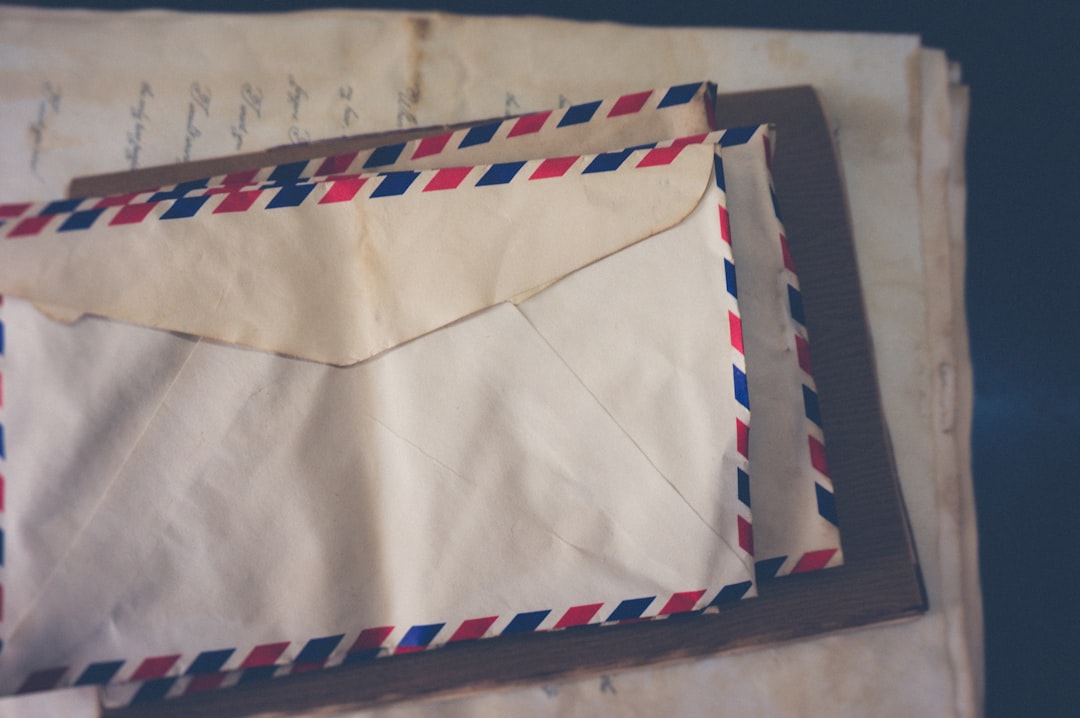
- Classic envelope: Sealed with wax stamp for elegant presentation
- Hidden discovery: In coat pocket, lunch bag, or car before they leave
- Timed delivery: Mailed to arrive on significant date
- Treasure hunt: Clues leading to letter’s location
- Meal accompaniment: Presented during romantic dinner
Match delivery method to your partner’s personality. Introverts often appreciate private discovery; extroverts may enjoy more elaborate presentations.
Encouraging Letter Preservation
Help ensure your letter becomes a lasting keepsake rather than getting lost in daily shuffle.
Practical suggestions:
- Use archival-quality paper and ink that won’t fade quickly
- Consider presenting it in a protective sleeve or small frame
- Reference the letter in future notes: “Remember when I wrote you that letter about…”
- Create a tradition of exchanging letters on specific occasions
- Gift a beautiful box specifically for storing meaningful letters and mementos
When letters become part of relationship tradition, partners naturally preserve them more carefully.
Making Love Letters a Relationship Habit 💌
Regular written expressions of affection strengthen relationships more effectively than single grand gestures. Building consistency transforms occasional sentiment into relationship foundation.
Creating Sustainable Letter-Writing Practices
Establishing realistic habits ensures you maintain this practice long-term without it feeling burdensome.
Manageable approaches:
- Monthly notes: Brief letters on the same date each month
- Occasion-based: Letters for every major milestone or celebration
- Seasonal: One heartfelt letter each season reflecting on recent months
- Challenge-responsive: Letters during difficult times offering support
- Random appreciation: No schedule—write whenever inspiration strikes
Consistency matters more than frequency. Quarterly letters you actually write beat monthly intentions you never fulfill.
Encouraging Reciprocal Expression
While you shouldn’t write letters expecting anything in return, mutual written expression deepens connection for both partners.
Gentle encouragement strategies:
- Express how much their previous letters (if any) meant to you
- Gift beautiful stationery as a subtle invitation
- Share articles about benefits of written affection
- Suggest letter exchange as a relationship ritual
- Accept and appreciate whatever expression style comes naturally to them
Respect different communication styles. Some people express love through actions, quality time, or verbal affirmation more naturally than writing. Your letters should add to your relationship, not create pressure or inadequacy for your partner.
The art of crafting meaningful love letters combines authentic emotion with intentional structure. By focusing on specific details, avoiding common pitfalls, and matching your approach to your relationship stage, you create lasting expressions of affection that strengthen your bond. These written words become treasured artifacts of your love story, offering comfort, joy, and connection for years to come.
Start your next love letter today—your partner deserves to know exactly how much they mean to you, expressed in words they can return to whenever they need that reminder.
