
Anúncios
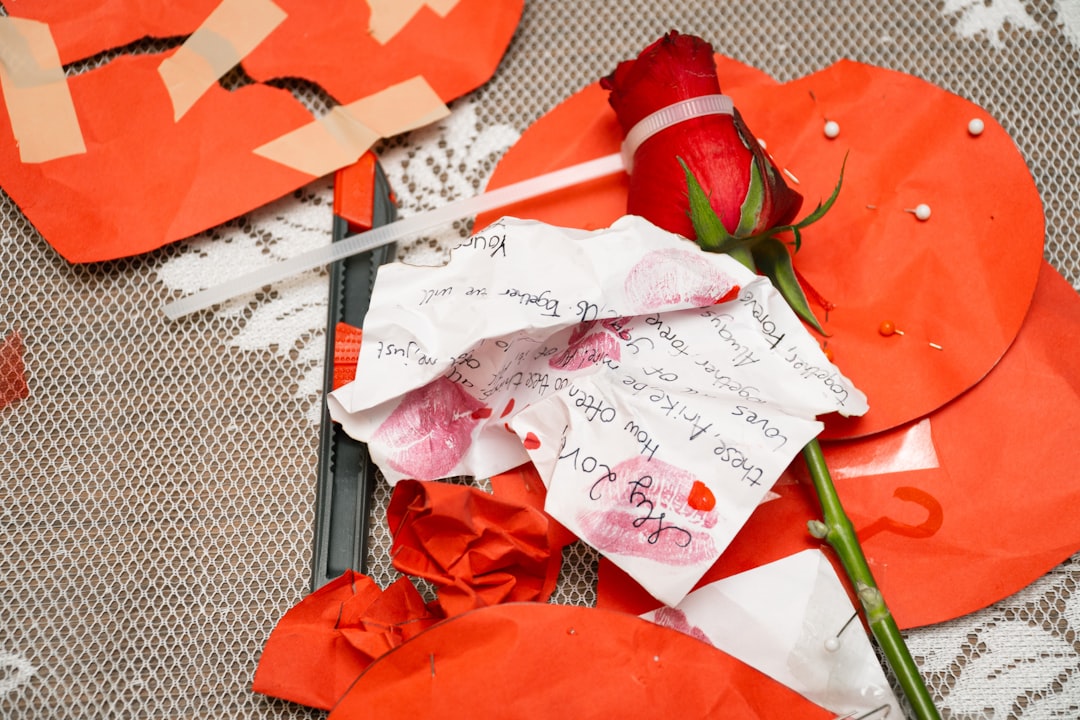
A love letter is one of the most intimate and timeless ways to express your deepest feelings to someone special.


In our fast-paced digital world, taking the time to craft a heartfelt letter has become a rare and precious gesture. The act of putting pen to paper—or even typing your emotions into a carefully composed message—demonstrates effort, vulnerability, and genuine care that texts and emails simply can’t match.
Anúncios
Whether you’re expressing feelings to a new romantic interest, rekindling passion in a long-term relationship, or simply reminding your partner why you fell in love, a well-written love letter creates a lasting keepsake that can be treasured for years. Let’s explore how to create meaningful, authentic expressions of affection that truly resonate.
💕 Why Love Letters Still Matter in Modern Romance
Despite the convenience of instant messaging, love letters hold an irreplaceable position in romantic expression. When you receive a handwritten letter, you’re holding something your loved one touched, crafted, and poured their heart into. This physical connection creates emotional depth that digital messages rarely achieve.
Studies show that handwritten notes trigger stronger emotional responses in recipients compared to digital communication. The time investment alone signals importance—when someone dedicates 30 minutes to writing you a letter, it demonstrates that you’re worth their undivided attention in an age of constant distractions.
Anúncios
Love letters also serve as tangible memories. Years later, couples rediscover these letters tucked in drawers or keepsake boxes, reigniting those original feelings and strengthening their bond. They become part of your shared history, documenting your journey together in your own words.
The Psychological Impact of Written Affection
Writing down emotions activates different neural pathways than speaking them aloud. When composing a love letter, you engage in deeper reflection about your feelings, often discovering aspects of your affection you hadn’t fully recognized before.
For the recipient, reading words of love repeatedly—something possible with letters but not conversations—reinforces positive feelings and creates lasting emotional security. Research in relationship psychology confirms that tangible expressions of love contribute significantly to relationship satisfaction and longevity.
✍️ Essential Elements of an Effective Love Letter
A powerful love letter doesn’t require poetic genius or perfect prose. Authenticity always trumps eloquence. However, certain structural elements help organize your thoughts and maximize emotional impact.
Opening with intention: Begin by clearly stating your purpose. Are you expressing gratitude, declaring your feelings, or celebrating a milestone? Setting this tone immediately helps your reader understand the letter’s emotional context.
Specific memories and details: Generic statements like “you’re amazing” carry less weight than specific examples. Reference particular moments—the way they laughed at dinner last Tuesday, how they supported you during a difficult presentation, or that quirky habit you find endearing.
Vulnerability and honesty: The most memorable love letters reveal something genuine about the writer. Share a fear you’ve overcome because of them, or admit how they’ve changed your perspective on life. This emotional honesty creates intimacy.
Forward-looking statements: Include hopes and dreams for your shared future. This demonstrates commitment and helps your partner envision a life together, strengthening your bond.
The Power of Sensory Language
Engage multiple senses in your descriptions to create vivid, memorable imagery. Instead of “I love being with you,” try “I love the warmth of your hand in mine during our evening walks, and the sound of your laughter that makes everything feel lighter.”
This technique makes your letter more immersive and helps your partner relive the moments you’re describing. Sensory details distinguish memorable letters from forgettable ones.

📝 Step-by-Step Guide to Writing Your Love Letter
Creating a meaningful love letter becomes easier when you follow a structured approach. Here’s a practical method that works for writers of all skill levels.
Step 1: Choose Your Medium Thoughtfully
Handwritten letters on quality stationery create the strongest impact. The imperfections in your handwriting add personality and authenticity. Choose paper that reflects the occasion—elegant for anniversaries, playful for spontaneous expressions.
If handwriting isn’t feasible due to legibility concerns or distance, a typed letter still carries weight when thoughtfully composed. Consider special fonts or personalized digital stationery to add character.
Step 2: Create the Right Environment
Find a quiet space where you can focus without interruptions. Your emotional state while writing influences the letter’s tone, so choose a moment when you feel calm and centered. Many people find that writing in the same location where positive memories occurred enhances authenticity.
Set aside at least 30-45 minutes. Rushing produces generic results, while dedicated time allows deeper emotions to surface naturally.
Step 3: Brainstorm Before Writing
Spend 5-10 minutes jotting down memories, qualities you admire, and feelings you want to express. This “mind dump” prevents writer’s block and ensures you don’t forget important points once you start composing.
Consider these prompts:
- What three moments with this person made you happiest?
- Which of their qualities do you admire most?
- How has your life improved since they entered it?
- What future experiences do you want to share together?
- What do you want them to know but have never said aloud?
Step 4: Draft Without Self-Editing
Write your first draft freely without stopping to correct grammar or word choice. Perfectionism during drafting kills spontaneity and authentic emotion. Let your feelings flow naturally onto the page—you can refine later.
Many writers find their most powerful phrases emerge during unfiltered writing. That perfectly imperfect sentence often captures genuine emotion better than carefully constructed prose.
Step 5: Refine and Personalize
After completing your draft, step away for at least an hour—or overnight if possible. Return with fresh eyes to revise. Look for opportunities to replace vague statements with specific details and check that your personality shines through.
Read aloud to catch awkward phrasing. If a sentence doesn’t sound like something you’d actually say, rework it. Authenticity beats eloquence every time.
💌 Different Love Letter Styles for Different Relationships
The ideal approach varies based on your relationship stage and the recipient’s personality. Tailoring your letter to your specific situation increases its impact significantly.
Early Relationship: The Confession Letter
When feelings are new, your letter should balance enthusiasm with respect for the relationship’s pace. Express your growing affection without overwhelming or pressuring the recipient.
Focus on specific qualities that attracted you and moments that deepened your interest. Acknowledge that you’re still learning about each other while expressing excitement about that discovery process.
Example approach: “I’ve found myself thinking about our conversation at the coffee shop last week. The way you spoke about your volunteer work showed a kindness I find incredibly attractive. I wanted you to know that getting to know you has been one of the highlights of my recent months.”
Established Relationship: The Appreciation Letter
Long-term partners benefit from letters that acknowledge their continued presence and impact. Combat the routine by highlighting specific, recent examples of why you still choose them every day.
Reference inside jokes, shared struggles you’ve overcome, and ways they’ve grown alongside you. This demonstrates you’re still paying attention and valuing the relationship actively.
Example approach: “After three years together, I’m still discovering new reasons to appreciate you. Watching you handle the stressful project at work last month with such grace reminded me why I admire your strength. You make ordinary Tuesdays feel special just by being yourself.”
Long-Distance: The Bridge-Building Letter
Physical separation makes tangible connection even more valuable. Long-distance love letters should create intimacy across the miles by sharing daily details and maintaining emotional closeness.
Include small observations about your day and ask questions about theirs. Describe your surroundings in ways that help them visualize your life. Reference countdowns to your next meeting to reinforce your commitment.
Example approach: “It’s raining here today, and I immediately thought of how much you love thunderstorms. I’m sitting by the window imagining what you might be doing right now—probably already asleep since it’s three hours later there. Only 18 more days until I can hold you again.”
Rekindling Romance: The Remembrance Letter
When relationships face challenges or routine has dulled excitement, letters that recall your origins and celebrate growth can reignite connection. Acknowledge both the journey’s difficulties and joys.
Reference your early days together, highlighting how you’ve evolved while maintaining core compatibility. Express renewed commitment and specific changes you’re willing to make to strengthen your bond.
🎯 Common Mistakes That Undermine Love Letters
Even well-intentioned letters can fall flat when writers make these frequent errors. Awareness helps you avoid these pitfalls and create more powerful messages.
Over-the-Top Language That Feels Insincere
Flowery prose that doesn’t match your usual communication style feels performative rather than genuine. If you normally speak casually, suddenly adopting Shakespearean language creates distance rather than intimacy.
Match your written tone to your spoken voice, perhaps slightly more thoughtful but recognizably you. Your partner fell for the real you, not a character you’re playing.
Making It About You Instead of Them
Love letters should focus primarily on the recipient and your feelings for them, not on showcasing your writing skills or discussing yourself extensively. Every paragraph should connect back to them and your relationship.
Balance is key—share how they’ve affected you, but keep them at the center of the narrative. “I feel” statements should always link to “because you” explanations.
Including Criticisms or Complaints
Love letters aren’t the place for relationship issues, suggestions for improvement, or backhanded compliments. Keep the tone uniformly positive and appreciative.
If you have concerns to address, handle those in conversation. Letters should be pure expressions of affection that recipients can revisit for comfort and joy without encountering criticism.
Being Too Brief or Too Lengthy
A few sentences feel rushed and thoughtless, while multiple pages can overwhelm. The sweet spot typically ranges from one to three pages of heartfelt content.
Quality matters more than quantity. Three paragraphs of specific, genuine emotion outweigh ten paragraphs of generic platitudes every time.
🌟 Creative Additions That Enhance Your Letter
Once you’ve crafted solid content, consider these elements to make your letter even more special and memorable.
Personal Touches and Keepsakes
Include small meaningful items—a pressed flower from a significant walk, a ticket stub from your first date, or a photo from a cherished moment. These tangible additions transform your letter into a multi-sensory keepsake.
Spray a subtle amount of your cologne or perfume on the paper. Scent triggers powerful memories and creates an additional connection to you.
Creative Presentation Methods
The delivery method can amplify your letter’s impact. Hide it somewhere they’ll discover unexpectedly—their work bag, under their pillow, or in the book they’re currently reading.
For special occasions, consider creating a series of shorter letters to be opened at specific times (one per day for a week, for example). This extends the emotional impact across multiple moments.
Visual Elements
If you have artistic skills, add small drawings, doodles, or decorative elements that reflect your relationship’s personality. Even simple hearts or stars in the margins add visual warmth.
For those less artistically inclined, thoughtful selection of stationery, ink color, or envelope style demonstrates care and attention to detail.
📬 When and How to Deliver Your Love Letter
Timing and presentation influence how your letter is received and remembered. Strategic delivery maximizes emotional impact.
Special Occasions vs. Random Surprises
While love letters make perfect gifts for birthdays, anniversaries, and holidays, unexpected letters often create stronger impact. A spontaneous Tuesday letter demonstrates that your affection isn’t tied to obligation or calendar dates.
The element of surprise intensifies positive emotions. Your partner realizes you thought of them without external prompting, which feels more genuine than expected anniversary sentiments.
In-Person Delivery Options
Handing your letter directly to your partner creates an intimate moment but can also feel pressuring—they may feel obligated to read and react immediately in front of you.
Consider giving them the letter privately before a period alone (before you leave for work, for example). This allows them to process their emotions authentically without performance pressure.
Mail and Distance Delivery
Physical mail carries special weight in the digital age. The act of checking the mailbox and finding a handwritten envelope addressed in your writing builds anticipation before they even read your words.
For international long-distance relationships, email a photo of your handwritten letter immediately while the physical copy travels by mail. This provides instant gratification while preserving the eventual tangible connection.
💝 Keeping the Love Letter Tradition Alive
One letter creates a moment; ongoing correspondence builds a lasting romantic tradition that strengthens your relationship over time.
Consider establishing a rhythm—quarterly letters, birthday exchanges, or anniversary traditions. Regular written expressions normalize vulnerability and maintain emotional intimacy even during busy life periods.
Create a shared keepsake box where you both store letters received. Reviewing them together during anniversaries or difficult times reinforces your foundation and reminds you of your journey together.
Some couples establish letter-writing “rules”—perhaps writing whenever apart for more than three days, or exchanging letters every New Year reflecting on the past year and hopes for the next. These structures ensure the tradition continues beyond initial enthusiasm.
🖊️ Overcoming Writer’s Block and Fear
Many people avoid writing love letters not from lack of feeling but from performance anxiety. Your partner doesn’t expect professional quality—they want genuine you.
If you’re stuck, start with the simplest statement: “I wanted to tell you…” and let the rest flow naturally. Give yourself permission to be imperfect. A sincere, slightly awkward letter resonates more deeply than perfectly polished but emotionally distant prose.
Remember that your partner knows your communication style. They’ll recognize authenticity instantly and appreciate your effort far more than any technical writing skill. The courage to be vulnerable matters infinitely more than vocabulary or sentence structure.
For those truly struggling, start by listing five specific things you appreciate about your partner. Expand each into a sentence explaining why. You’ve just created the foundation of a meaningful letter.
🎁 The Lasting Impact of Written Love
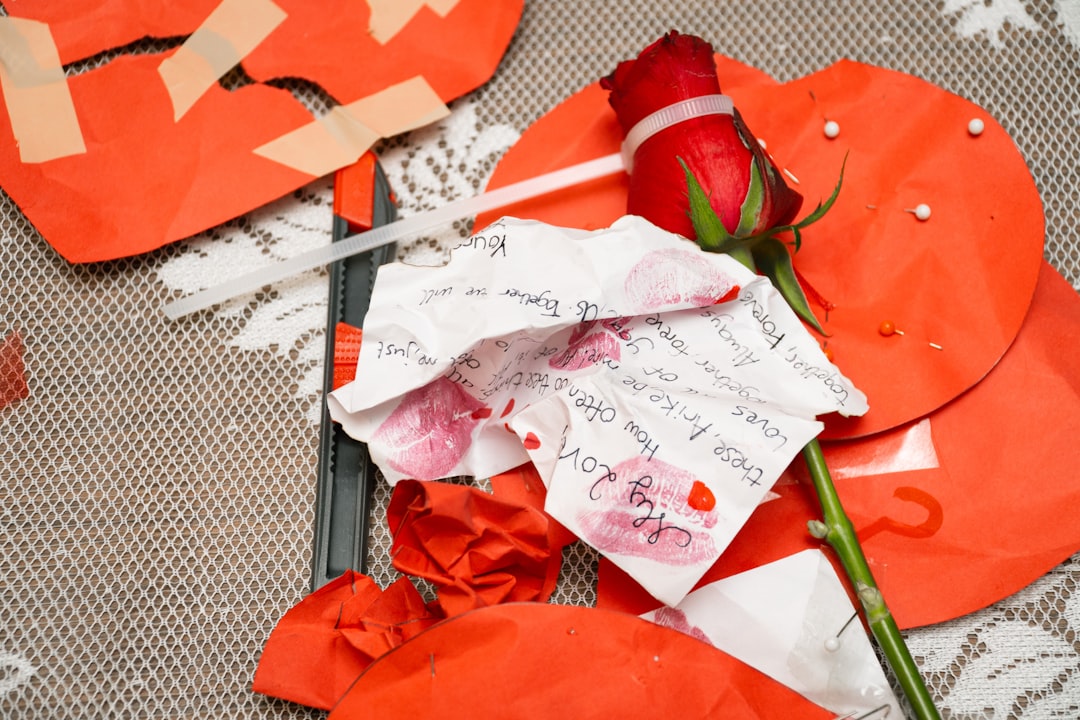
Love letters transcend their immediate moment. They become family heirlooms, relationship touchstones, and evidence of connection that endures beyond memory.
Couples married for decades often cite early love letters as relationship anchors during challenging times. Reading your younger self’s words reminds you why you chose this person and how far you’ve traveled together.
In our disposable digital culture, something permanent and physical carries extraordinary weight. Your letter might be saved, reread hundreds of times, and eventually discovered by future generations as a testament to your love story.
The time invested in crafting a love letter pays dividends for years. While a text message disappears in the scroll, a letter remains—a constant, tangible reminder of your affection that your partner can return to whenever they need reassurance of your feelings.
Start today. Your perfect person deserves to know exactly how you feel, and they deserve to hold those words in their hands. ✨
