
Anúncios
The tape measure, or “trena” as it’s known in Portuguese-speaking countries, is one of the most essential and versatile measuring tools used across countless professions and everyday situations worldwide.


From construction sites to sewing rooms, from carpentry workshops to home improvement projects, the humble tape measure has proven itself indispensable. Its portability, accuracy, and ease of use make it a staple in toolkits around the globe. Whether you’re a professional tradesperson or a DIY enthusiast, understanding the various types, features, and proper usage of tape measures can significantly improve your measuring accuracy and project outcomes.
Anúncios
This comprehensive guide explores everything you need to know about tape measures, from their fascinating history to modern digital innovations. We’ll dive into different types, maintenance tips, professional applications, and even how smartphone technology is revolutionizing traditional measuring methods. 📏
The Evolution of the Tape Measure Through Time
The tape measure has a rich history dating back to ancient civilizations. Romans used marked strips of leather for measuring, while tailors in medieval Europe employed cloth ribbons with incremental markings. The retractable steel tape measure as we know it today emerged in the mid-19th century, revolutionizing precision measurement across industries.
Alvin J. Fellows patented the spring-click tape measure in 1868, introducing the self-retracting mechanism that became a game-changer. This innovation allowed for one-handed operation and significantly improved convenience. Throughout the 20th century, manufacturers refined materials, durability, and accuracy, introducing features like magnetic hooks, locking mechanisms, and hi-visibility markings that professional tradespeople rely on today.
Anúncios
Understanding Different Types of Tape Measures
Not all tape measures are created equal. Understanding the various types available helps you select the right tool for specific applications and ensures accurate measurements every time.
Retractable Steel Tape Measures
These are the most common type found in toolboxes worldwide. Featuring a curved steel blade that extends and retracts into a compact case, they typically range from 12 to 35 feet in length. The blade’s concave shape provides rigidity, allowing it to extend horizontally without support for several feet—a crucial feature for solo measurements.
Professional-grade retractable tapes include reinforced cases, nylon-coated blades for durability, and Class I or Class II accuracy ratings. The hook at the end is designed to move slightly, compensating for inside and outside measurements—a detail many users don’t realize is intentional, not a defect.
Long-Distance Tape Measures
For measurements exceeding standard lengths, long-distance tape measures (also called surveyor’s tapes or open-reel tapes) extend from 50 to 300 feet or more. These feature flat blades that wind onto an open or closed reel and are essential for construction layout, landscaping, and surveying work.
Made from fiberglass or steel, these tapes sacrifice the self-supporting rigidity of shorter measures for extended reach. Many include handles on both ends for two-person operation and ground stakes for anchoring during large-scale measurements.
Tailor’s and Sewing Tape Measures
Flexible cloth or vinyl tape measures are indispensable in fashion, upholstery, and body measurement applications. Typically 60 inches long, these non-metallic tapes conform to curves and body contours, providing accurate measurements where rigid tapes would fail.
Quality tailor’s tapes feature measurements printed on both sides and reinforced ends to prevent fraying. Some include metal tips for durability, while others use heat-sealed edges. The flexibility that makes them perfect for fabric work also means they’re prone to stretching over time, requiring periodic replacement for maintained accuracy.
Digital and Laser Measuring Tools
Modern technology has introduced digital alternatives to traditional tape measures. Laser distance meters use time-of-flight measurement to calculate distances up to several hundred feet with remarkable accuracy. These devices excel in situations where physical tapes are impractical—measuring across obstacles, calculating areas and volumes, or working alone on large projects.
Smartphone apps now replicate tape measure functionality using augmented reality and camera sensors. While not yet matching the precision of quality physical or laser measures, these digital solutions continue improving and offer convenient backup options when traditional tools aren’t available.

Key Features That Define Quality Tape Measures
When selecting a tape measure, certain features distinguish professional-grade tools from basic models. Understanding these characteristics helps you invest in a tool that will serve reliably for years.
Blade Thickness and Coating
Thicker blades (typically .08 to .10 inches) offer greater standout—the distance the tape extends horizontally before buckling. Professional tapes often achieve 10+ feet of standout, eliminating the need for assistance on many projects. Nylon or polymer coatings protect the blade from abrasion, moisture, and chemicals while making markings easier to read.
Locking Mechanisms
Reliable blade locks are essential for hands-free measuring. Toggle locks on the case side offer easy one-handed operation, while bottom-mounted slide locks provide stability but require two hands. Quality locks hold firmly without slipping yet release smoothly without binding.
Hook Design and Attachment
The end hook serves multiple purposes—catching on edges for extension measurements and pushing against surfaces for inside measurements. The slight movement of the hook (typically the thickness of the hook itself) compensates for these different applications, maintaining accuracy. Magnetic hooks add convenience when working with ferrous materials, allowing hands-free anchoring.
Marking Accuracy and Readability
Clear, durable markings are non-negotiable for accurate work. Look for high-contrast printing with multiple measurement increments—typically down to 1/16 inch on imperial tapes and millimeters on metric versions. Some professional tapes highlight common framing measurements (16 and 24 inches) for quick reference in construction applications.
Professional Applications Across Industries 🔧
Different professions rely on tape measures in specialized ways, often preferring specific features or types tailored to their unique requirements.
Construction and Carpentry
Builders and carpenters depend on 25 to 35-foot tape measures with excellent standout for framing, layout, and installation work. Fractional inch accuracy is critical, as cumulative errors in measurements can compound into significant problems. Many professionals prefer tapes with stud markings at 16 and 24-inch intervals for rapid framing layout.
Interior Design and Space Planning
Interior designers frequently measure rooms, furniture, and spatial relationships. Compact 12 to 16-foot tapes suffice for most residential work, while laser measures increasingly supplement traditional tapes for quickly capturing room dimensions and calculating square footage for flooring, painting, and furnishing estimates.
Engineering and Manufacturing
Precision manufacturing and engineering applications often require measuring tools with certified accuracy standards. Class I tapes (±1.1mm over 10m) or Class II (±2.3mm over 10m) meet most industrial requirements. Some applications demand even tighter tolerances, necessitating specialized measuring instruments beyond standard tape measures.
Fashion and Textile Industries
Pattern makers, tailors, and seamstresses exclusively use flexible tape measures to capture body measurements and fabric dimensions. The ability to measure curves accurately is paramount, making metal or fiberglass tapes completely unsuitable for these applications. Precision typically extends to 1/8 inch or 5mm increments.
Essential Tips for Accurate Measurements
Even the highest-quality tape measure produces inaccurate results when used improperly. Following best practices ensures consistency and precision in your work.
Account for the Hook Movement
Understanding that the end hook’s slight movement is intentional prevents unnecessary “fixes” that actually compromise accuracy. When taking inside measurements, the hook compresses against its rivets; when hooking over an edge, it pulls away. This design automatically compensates for the hook’s thickness in both scenarios.
Avoid Measuring Over Obstacles
Whenever possible, measure in straight lines without deflection. Tape bending around obstacles introduces measurement error. For complex measurements, break the distance into multiple straight-line segments or use a laser measure that can calculate over obstructions.
Always Measure Twice
The carpenter’s adage “measure twice, cut once” exists for good reason. Taking duplicate measurements catches mistakes before they become costly errors. When measurements don’t match, investigate the discrepancy rather than splitting the difference or assuming one reading is correct.
Maintain Consistent Tension
Excessive force can stretch tape blades slightly, while too little tension causes sagging that shortens measurements. Apply consistent, moderate tension for reproducible accuracy. This consideration is especially important with long-distance tapes where material elasticity becomes more significant.
Maintenance and Longevity Best Practices
Proper care extends your tape measure’s service life significantly and maintains its accuracy over thousands of uses.
Keep the blade clean by periodically wiping it with a slightly damp cloth to remove dirt, sawdust, and debris. Allow it to dry completely before retracting. Avoid using solvents or aggressive cleaners that might damage blade coatings or markings. For stubborn grime, mild soap and water work well.
The retraction spring represents the most common failure point in tape measures. Never allow the blade to snap back freely—always control retraction with slight pressure. This simple habit dramatically extends spring life and prevents the violent retraction from damaging the blade or case. If the spring loses tension, replacement cases are often available for quality tape measures.
Store tape measures in dry environments to prevent rust on steel blades. If moisture exposure occurs during use, extend and dry the blade before retracting. A light coating of silicone spray on the blade occasionally aids smooth extension and retraction while providing moisture protection.
Check hook attachment periodically. The rivets should allow the designed movement but not excessive play. If the hook becomes bent or damaged, it will compromise measurement accuracy. Some tapes feature replaceable hooks, while others require complete replacement when the hook fails.
Understanding Measurement Systems and Conversions 📊
Many tape measures feature dual marking systems—imperial (inches and feet) on one edge and metric (millimeters and centimeters) on the other. Understanding both systems and converting between them is valuable, especially for international projects or when working with imported materials.
Imperial measurements divide inches into fractions—halves, quarters, eighths, and sixteenths being most common. Some precision work requires thirty-seconds. Metric measurements are decimal-based, making calculations and conversions simpler. One inch equals exactly 25.4 millimeters, while one foot equals 304.8 millimeters or approximately 30.5 centimeters.
When converting between systems, remember that rough approximations work for estimates but precise conversions are essential for actual fabrication. Many smartphones include calculator apps with built-in conversion functions, eliminating mental math errors during critical measurements.
The Digital Revolution in Measuring Technology 📱
Smartphone technology increasingly complements or replaces traditional measuring tools in certain applications. Augmented reality measuring apps use device cameras and sensors to calculate distances, areas, and volumes with improving accuracy.
These digital solutions offer undeniable convenience—your phone is always with you, eliminating forgotten tools. Some apps store measurement history, generate diagrams, and even create shopping lists based on project dimensions. While current technology doesn’t yet match professional-grade physical measures for precision work, continuous improvements are narrowing the gap.
Laser distance meters connected via Bluetooth to smartphone apps combine the accuracy of dedicated measuring devices with the computational and documentation capabilities of mobile software. This convergence represents the cutting edge of measuring technology, particularly valuable for professionals managing multiple projects who need organized measurement data.
Selecting the Right Tape Measure for Your Needs
With countless options available, choosing the appropriate tape measure depends on your specific applications and usage frequency.
For general homeowner use, a 25-foot retractable steel tape with basic features suffices for most projects. Look for at least 7 feet of standout, a reliable lock mechanism, and clear markings. These typically cost between $10 and $25 and will serve reliably for years of occasional use.
Professional tradespeople should invest in premium tapes ($30-$60) featuring reinforced cases, nylon-coated blades, superior standout (10+ feet), and robust locking mechanisms. Features like magnetic hooks, multiple measurement systems, and certified accuracy ratings justify the higher investment for daily use.
Specialized applications—tailoring, large-scale construction, precision engineering—require purpose-specific measuring tools. Don’t compromise by using inappropriate tools; the accuracy and efficiency gains from proper equipment quickly offset their cost.
Common Mistakes and How to Avoid Them ⚠️
Even experienced users occasionally fall into measurement traps that compromise accuracy. Awareness helps prevent these common errors.
Parallax error occurs when reading measurements from an angle rather than directly perpendicular to the markings. This optical distortion causes misreading, particularly with fractional measurements. Always position your eye directly over the measurement point for accurate reading.
Cumulative measurement error happens when taking multiple sequential measurements instead of measuring the entire distance from a single reference point. Each measurement introduces potential error; adding multiple measurements compounds these inaccuracies. Whenever possible, measure complete distances from one fixed reference point.
Temperature affects metal tape measures, causing expansion in heat and contraction in cold. For most applications, this effect is negligible, but precision work in extreme temperatures may require compensation. Standard tape accuracy ratings apply at 68°F (20°C); significant temperature variations may warrant awareness of this factor.
Ignoring worn or damaged tapes compromises work quality. Bent hooks, faded markings, stretched blades, or weak springs all introduce measurement errors. When your tape measure shows signs of significant wear, replacement is far less expensive than correcting mistakes caused by inaccurate measurements.
The Future of Measuring Tools and Technology
Measuring technology continues evolving rapidly, with innovations promising even greater accuracy, convenience, and functionality.
Augmented reality integration is advancing beyond simple measuring apps toward comprehensive spatial mapping. Future technology may allow you to measure entire rooms instantly, automatically generating floor plans, material lists, and 3D models directly from your smartphone.
Artificial intelligence could provide real-time guidance during measurement tasks, alerting users to potential errors, suggesting optimal measurement strategies, and automatically compensating for common mistakes. Machine learning algorithms might even detect tool wear and recommend maintenance or replacement before accuracy degrades noticeably.
Despite these technological advances, traditional tape measures will remain relevant. Their simplicity, reliability, zero power requirements, and tactile feedback provide advantages that digital tools cannot fully replicate. The future likely involves integration—physical measuring tools enhanced with digital connectivity and smart features rather than complete replacement.
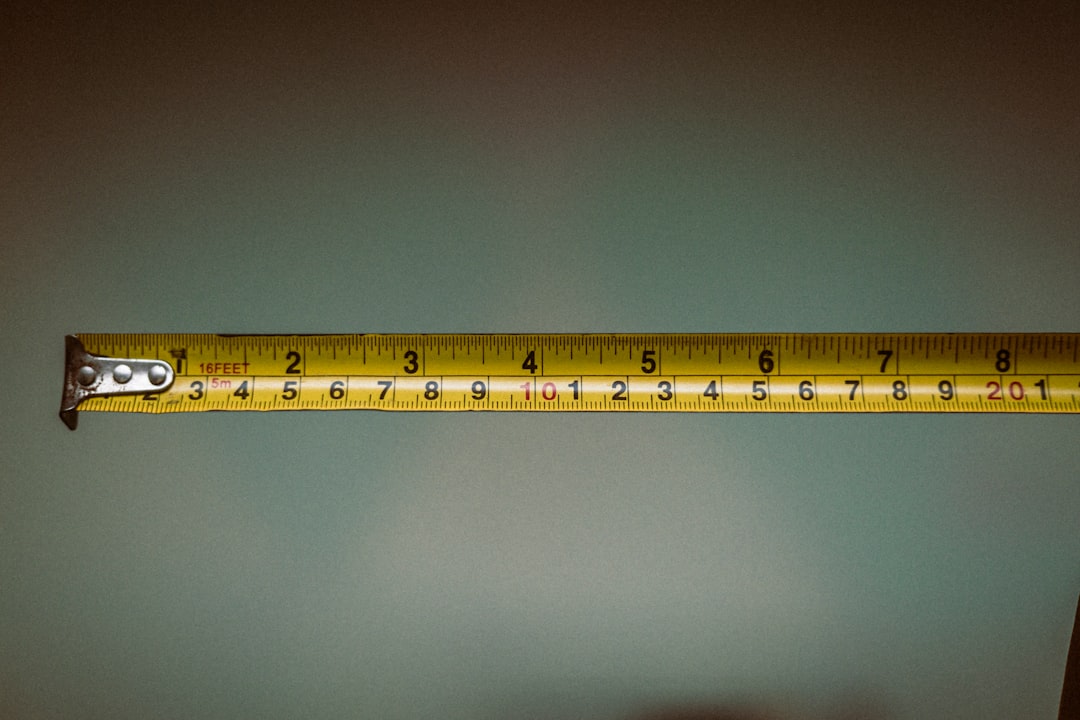
Maximizing Your Tape Measure Investment
Quality measuring tools represent a modest investment that pays dividends through accurate work and reduced waste. Treat your tape measure as a precision instrument deserving proper care and respect.
Consider maintaining multiple tape measures for different applications—a long tape for outdoor and large-scale work, a compact model for portability, and specialized types for specific tasks. This approach ensures you always have the appropriate tool without compromising or forcing inappropriate equipment into service.
Education continues beyond tool purchase. Understanding advanced measuring techniques, learning to read complex architectural drawings, and practicing estimation skills all enhance your overall measurement capability. The tape measure is merely a tool; your knowledge and skill determine its effectiveness.
Finally, remember that accurate measurement is often the difference between professional results and amateur mistakes. The time invested in careful, thoughtful measurement pays back many times over through reduced waste, fewer corrections, and better final outcomes. Whether you’re hanging a picture frame or building a house, treating measurement as a critical skill—not just a preliminary step—elevates the quality of everything you create. ✨
